FROM NARCISSUS TO THE MODERN CULT OF POWER
EVERY HUMAN BEING- A NARCISSIST
An integrated psychological, philosophical, religious, historical, sociological and geopolitical examination of humanity’s oldest obsession.
The Greek legend of Narcissus, the handsome youth, who fell in love with his own reflection and eventually perished in its contemplation, is far more than an allegory of vanity. It is an enduring metaphor for one of humanity’s most persistent psychological contradictions: the inability to see anything beyond oneself. From ancient monarchies to contemporary democracies, from religious establishments to corporate empires, narcissism has manifested itself through excessive self-importance, an insatiable appetite for admiration, possessiveness, intolerance of criticism and an exaggerated conviction of personal superiority
Yet an important distinction must be established at the outset. Is narcissism, within reasonable limits, merely another expression of self-esteem, or does it represent an unhealthy preoccupation with one’s own importance? The distinction is fundamental. Healthy self-esteem enables individuals to recognise their capabilities, preserve their dignity and pursue ambitious objectives. Narcissism, in its destructive manifestation, demands that others acknowledge their superiority. Confidence facilitates achievement; unrestrained ego demands adulation. Ambition can build institutions, whereas excessive self-importance can subordinate institutions to individual authority. The problem, therefore, is not the existence of the ego, but its excesses. A measure of self-regard is indispensable to human achievement; its transformation into entitlement, domination and self-worship is profoundly corrosive.
THE PSYCHOLOGICAL DIMENSION: THE FRAGILITY BEHIND GRANDEUR
Modern psychology recognises narcissism , as a spectrum of personality characteristics, extending from ordinary self-regard to clinically significant personality disturbance. Grandiose narcissism is characterised by superiority, exhibitionism, entitlement, dominance and an insatiable desire for admiration. Vulnerable narcissism, by contrast, may manifest through insecurity, hypersensitivity, resentment and an exaggerated response to perceived humiliation. Beneath an apparently invincible exterior may lie an extraordinarily fragile ego.
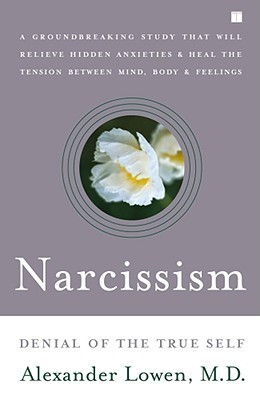
Sigmund Freud‘s On Narcissism:
An Introduction (1914) provided an important foundation for psychoanalytic inquiry. Subsequent psychological research has examined narcissism through the dimensions of empathy, interpersonal relationships, self-regulation, antagonism and the exercise of authority. The most disturbing characteristic is the inability to recognise the independent emotional and intellectual worth of others. Criticism becomes humiliation, disagreement becomes disloyalty and personal relationships become instruments of gratification. The narcissistic individual may seek affection but struggle to accommodate another person’s autonomy. It is equally important to distinguish narcissistic traits from Narcissistic Personality Disorder (NPD), a clinical condition requiring professional assessment. Arrogance, ambition, confidence or political assertiveness alone do not establish a psychiatric diagnosis.
FROM ANCIENT WISDOM TO RELIGIOUS PHILOSOPHY: THE CONDEMNATION OF EGO
Long before psychology acquired its modern terminology, religious and philosophical traditions recognised the destructive consequences of excessive pride, possessiveness and self-adoration. Hinduism: The Bhagavad Gita identifies Ahamkara (ego-consciousness), Dambha (hypocrisy), Darpa (arrogance), Mada (pride) and Matsarya (envy) as impediments to moral and spiritual development. Chapter 16, particularly verses 4 and 13–18, describes the disposition of those consumed by arrogance, power and self-aggrandisement. The principle of Nishkama Karma advocates performing one’s duties without attachment to personal reward or recognition. The Upanishadic tradition also challenges the narrow identification of human worth with possessions, status and external achievement. Buddhism: The doctrines of Anatta (non-self) and Anicca (impermanence) question the illusion of a permanent, independent ego. Craving, attachment and ignorance and perpetuate suffering. Compassion and the Middle Way offer an ethical counterweight to self-absorption.
Christianity: The Bible repeatedly cautions against pride and arrogance. Proverbs 16:18 warns that pride precedes destruction. Humility, forgiveness, service and love of one’s neighbour occupy central positions in Christian ethics. Islam: The Quran condemns Kibr (arrogance) and Takabbur (haughtiness), emphasising humility, justice and accountability before God. Surah Luqman, 31:18, cautions against turning away from people in arrogance and walking boastfully upon the earth.
Sikhism: Haumai, or ego-centredness, is regarded as a fundamental spiritual obstacle. Seva, or selfless service, and humility are essential ethical principles Jainism: Aparigraha (non-possessiveness), Anekantavada (the recognition of multiple perspectives) and Ahimsa challenge the impulse to dominate, appropriate and impose one’s own perceptions upon others. The philosophical convergence is striking. Different religious traditions, despite their theological and metaphysical distinctions, recognise that unchecked ego corrodes compassion, distorts judgement and alienates individuals from the larger human community.
HISTORY’S REPEATED LESSON: FROM HUBRIS TO HEGEMONY
The ancient Greeks understood the destructive implications of Hubris—excessive pride that leads human beings to transgress moral limitations. Their tragedies repeatedly portrayed powerful individuals whose arrogance precipitated their downfall. Indian epics offer equally compelling illustrations. Ravana possessed extraordinary scholarship, intellectual brilliance and military strength, yet his arrogance and possessiveness overwhelmed his judgement. Duryodhana’s envy, entitlement and refusal to accommodate legitimate claims culminated in the devastation of the Kurukshetra war. History subsequently produced rulers whose personal ambitions reshaped entire civilisations. Alexander the Great’s extraordinary military achievements were accompanied by an appetite for conquest and personal glory. Julius Caesar’s concentration of authority exposed the vulnerability of republican institutions. Napoleon combined administrative modernisation with imperial ambition. Louis XIV embodied absolutist monarchy and the personalisation of state authority.
The twentieth century provided far more catastrophic examples. Hitler’s racial grandiosity and ideological fanaticism, Stalin’s cult of infallibility and Mao’s personality-centred political mobilisation demonstrate how concentrated power, ideological absolutism and the suppression of dissent can produce human tragedies of immense proportions. These historical personalities cannot responsibly be assigned retrospective psychiatric diagnoses. They nevertheless illustrate the dangers of grandiosity, domination and the absence of institutional restraint.
POLITICAL NARCISSISM: HERO WORSHIP AND THE CULT OF INFALLIBILITY
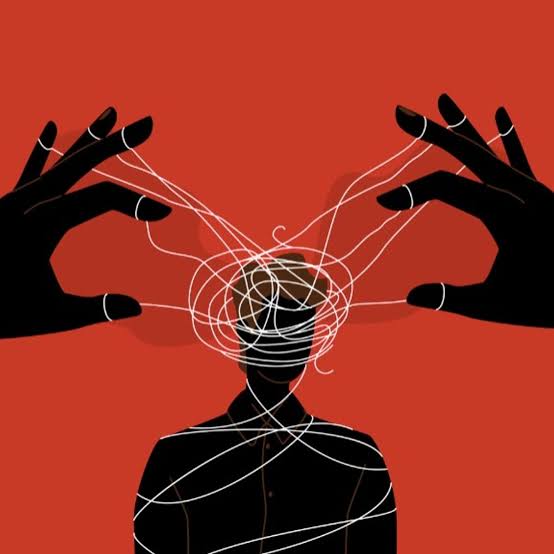
Modern politics has provided narcissistic tendencies with an unprecedented public platform. Electoral victories, mass communication, political marketing and digital propaganda have transformed political leadership into an intensely personalised enterprise. Hero worship is no longer confined to monarchies and authoritarian regimes. Even democratic societies increasingly project political personalities as indispensable saviours, larger-than-life figures and embodiments of national destiny. Narcissism also has a collective manifestation. Nations, like individuals, can develop exaggerated perceptions of exceptionalism, historical entitlement and civilisational superiority. Great-power competition is an intrinsic feature of international relations.
The United States, China, Russia and other influential
Political loyalty can gradually supersede ideological commitment, while personal allegiance displaces constitutional accountability. Governmental achievements are appropriated as individual accomplishments, institutional failures are attributed to subordinate officials, and criticism is frequently portrayed as hostility.
Audaciousness, indispensable to effective political leadership, becomes dangerous when divorced from prudence. Decisiveness is not infallibility; courage is not recklessness; and electoral authority is not personal ownership of the state. The narcissistic political temperament confuses popularity with unquestionable legitimacy and electoral success with unlimited entitlement. Opposition becomes an adversary to be crushed rather than an essential component of democratic accountability. The danger is not simply an arrogant political leader. It is the gradual transformation of constitutional government into personality-centred governance.
GEOPOLITICAL NARCISSISM: THE EGO OF NATIONS AND THE POLITICS OF HEGEMONY
Powers pursue their respective strategic interests through military supremacy, economic influence, technological dominance and diplomatic leverage, heritance, democratic institutions and strategic autonomy, must distinguish national self-confidence from hegemonic ambition. Its international standing should derive from economic resilience, technological advancement, diplomatic credibility and institutional strength rather than personality-driven grandstanding. A nation’s greatness lies not in its capacity to intimidate weaker states, but in its ability to command international respect without compromising justice, sovereignty and human dignity.
SOCIAL STRATIFICATION: THE PSYCHOLOGY OF SUPERIORITY AND ECONOMIC EXPLOITATION
The sociological consequences of excessive self-importance extend into the architecture of social inequality. Societies divided by caste, class, race, inherited privilege, wealth and political influence provide fertile ground for the institutionalisation of superiority. Dominant groups may regard their social position as evidence of inherent merit, entitlement or exceptional status. In India, caste hierarchy offers a particularly important illustration. The historical denial of dignity, opportunity and equal participation to disadvantaged communities demonstrates how inherited superiority can become embedded in social institutions.
Caste arrogance, economic privilege and political patronage can reinforce one another. Social status becomes a mechanism of exclusion, while access to power and resources remains concentrated within influential networks. This is not necessarily narcissism in the clinical sense. It is a collective psychology of entitlement and superiority that bears a disturbing resemblance to its destructive individual. The economic dimension is equally significant. Corporate concentration, exploitative labour practices, monopolistic tendencies, unequal access to education and healthcare, and the accumulation of wealth without corresponding social responsibility raise fundamental questions about the relationship between economic power and public accountability.
The problem is not wealth creation or entrepreneurship. It is the assumption that economic success confers an unrestricted licence to exploit, dominate or disregard the less privileged. A society that celebrates wealth without examining how it is accumulated risks confusing material prosperity with moral greatness. The technological revolution has democratised self-presentation on an unprecedented scale. The ancient Narcissus required a pool of water to admire his reflection. The modern Narcissus possesses a smartphone, a camera, a digital audience and an uninterrupted stream of notifications. Instagram, Facebook, YouTube and other platforms have transformed visibility into a social currency. Followers, likes, comments and digital applause increasingly influence perceptions of personal importance.
Political leaders cultivate carefully manufactured images, celebrities convert visibility into commercial capital, and corporate executives project individual achievements as institutional accomplishments. Yet not every selfie, flexi, celebrity status, public appearance or desire for recognition represents narcissism. The deeper concern is the growing dependence on external validation and the displacement of substance by spectacle. The individual increasingly asks not merely whether an experience is meaningful, but whether it is visible, appreciated and applauded. The result is a paradoxical society: unprecedented connectivity accompanied by loneliness, constant communication accompanied by declining listening, and enormous quantities of information accompanied by diminishing tolerance for disagreement.
THE CIVILISATIONAL DILEMMA: IS NARCISSISM A BOON OR A BANE?
An intellectually honest examination must acknowledge that a measure of self-regard is indispensable to human progress. Self-esteem, ambition, audacity, competitiveness and the determination to challenge established conventions have contributed immensely to scientific discovery, artistic achievement, entrepreneurship and political transformation. The distinction lies in the relationship between individual achievement and collective responsibility. A confident individual can acknowledge another person’s excellence. A narcissistic individual may experience another person’s success as a personal affront. A responsible leader builds institutions that outlast him. A narcissistic ruler seeks institutions that perpetuate his image. A genuine intellectual welcomes criticism; an arrogant mind demands unquestioning acceptance. The remedy, therefore, is neither the elimination of ambition nor the suppression of individuality. It is the cultivation of self-awareness, intellectual humility, empathy and institutional accountability.
Families must teach children the distinction between achievement and superiority. Educational institutions must encourage critical thinking. Political parties must strengthen internal democracy. Governments must protect institutional independence. Economic establishments must recognise their social responsibilities.
CONCLUSION: THE SELF MUST NOT BECOME THE SUPREME DEITY
From Narcissus in Greek mythology to the emperors of antiquity, from absolutist monarchies to modern dictatorships, and from contemporary political hero worship to the digital cult of personal visibility, narcissism has remained one of humanity’s most persistent contradictions. Psychology explains its individual manifestations; religion and philosophy warn against its moral consequences; history records its political excesses; sociology exposes its relationship with hierarchy and exclusion; and geopolitics demonstrates how the grandiosity of individuals and nations can endanger international stability. The ultimate test of civilisation is not how successfully it produces powerful personalities, wealthy individuals or charismatic leaders, but how effectively it restrains the misuse of their power. Self-respect is indispensable. Self-confidence is productive. Ambition is necessary. Audacity can be transformative. But none of these qualities should be permitted to extinguish empathy, humility, constitutional morality or social responsibility.
NARCISSUS WAS CAPTIVATED BY HIS OWN REFLECTION AND COULD NOT SEE THE WORLD BEYOND IT. MODERN HUMANITY MUST NOT REPEAT THAT TRAGEDY ON A CIVILISATIONAL SCALE. WHEN INDIVIDUAL EGO BECOMES POLITICAL AUTHORITY, ECONOMIC ENTITLEMENT BECOMES EXPLOITATION, AND NATIONAL PRIDE DEGENERATES INTO HEGEMONIC ARROGANCE, THE CONSEQUENCES ARE BORNE NOT BY THE ARROGANT ALONE, BUT BY MILLIONS WHO HAVE NO SHARE IN THEIR VANITY. THE TRUE HALLMARK OF GREATNESS IS NOT THE WORSHIP ONE COMMANDS, BUT THE DIGNITY ONE EXTENDS TO OTHERS.

M. Shiva Prasad, IPS (Rtd.) is a dedicated law enforcement professional who served the combined Andhra Pradesh cadre before opting for the Telangana cadre. Though a native of Andhra Pradesh, he considers himself a true Hyderabadi with an abiding love for the Telugu people. Driven by sincerity, fearlessness, and a lifelong fight against inequality and injustice, his ultimate strengths remain his goodwill and deep affection for the public and the police force. Today, he continues his mission by writing snippets and articles true to his conscience.
Email: Shivareach@yahoo.com
Mobile: 98480 38774