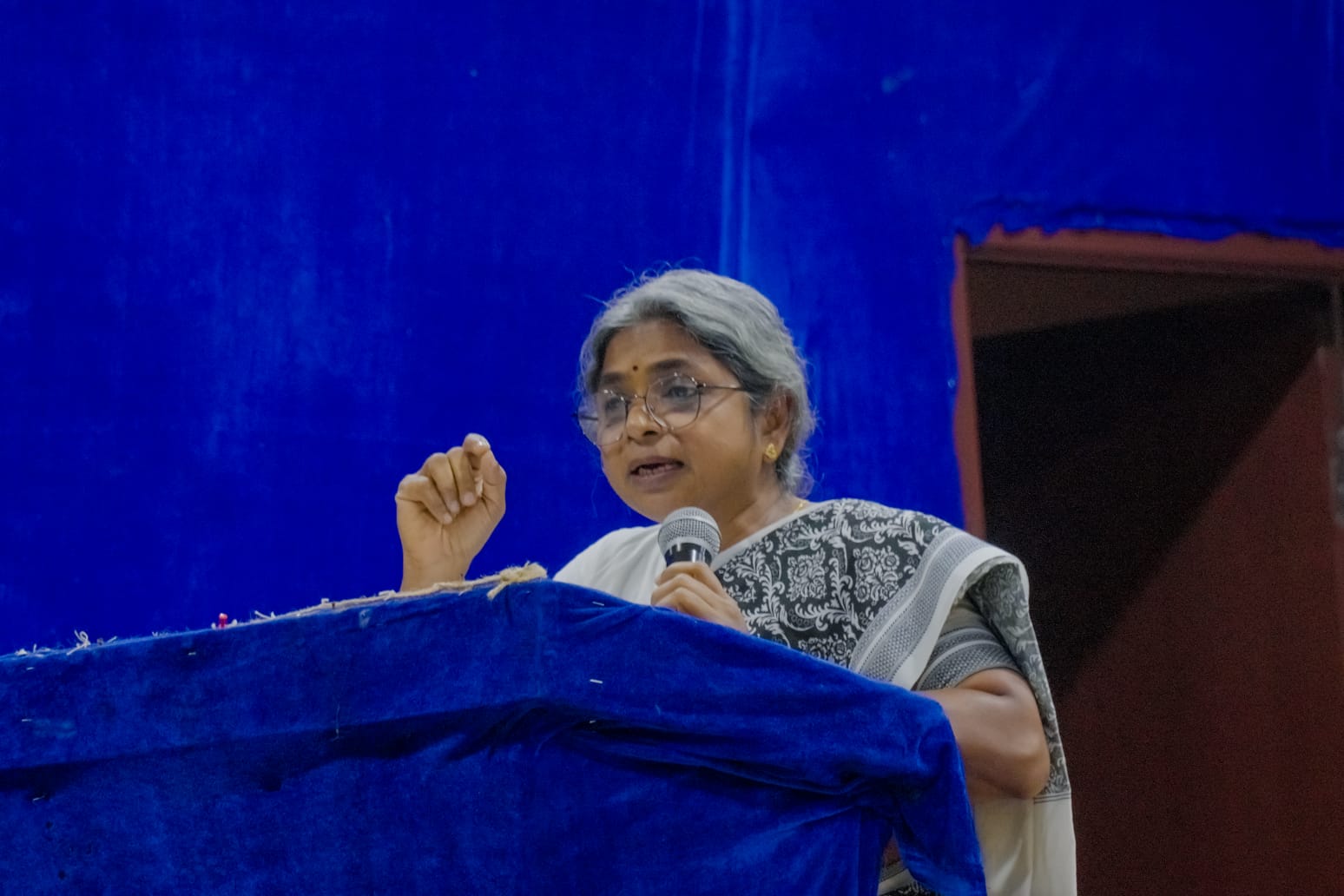
How the SIR Was Built on a Patriarchal Framework
Sunita’s Findings on Discrepancies in the SIR Exercise
Through grassroots surveys and social audits—including an intensive review of 757 voters in Hyderabad—Dr. A Suneetha and Anveshi documented widespread arbitrary deletions and bureaucratic failures. Living, long-term residents were routinely placed on the Absent, Shifted, Dead, or Duplicate (ASDD) deletion lists. Many voters who had duly filled out and signed their enumeration forms were still marked “absent” or “untraceable”.
Suneetha said that their exercise exposed severe administrative discrepancies and highlighted how the exercise structurally disenfranchises women through patriarchal assumptions. Family members living under the same roof for decades were split across different polling booths, creating confusion and preventing entire households from voting together. Thousands of residents received “mismatch” or “doubtful voter” notices despite possessing valid identity documents, shifting the state’s duty of accurate roll maintenance onto ordinary citizens.
The Agony of Women Retaining Their Votes
For working-class, Dalit, and minority women, the revision process became an exhausting, expensive ordeal. Daily-wage earners and homemakers had to abandon work and household responsibilities to make repeated visits to Electoral Registration Officers (EROs) and stand in long queues to prove their existence. Women who migrated after marriage faced severe distress trying to retrieve decades-old parental electoral records (such as the 2002 rolls) from distant villages or different districts, often with little cooperation from local officials.
Structural Patriarchy Embedded in the SIR Design
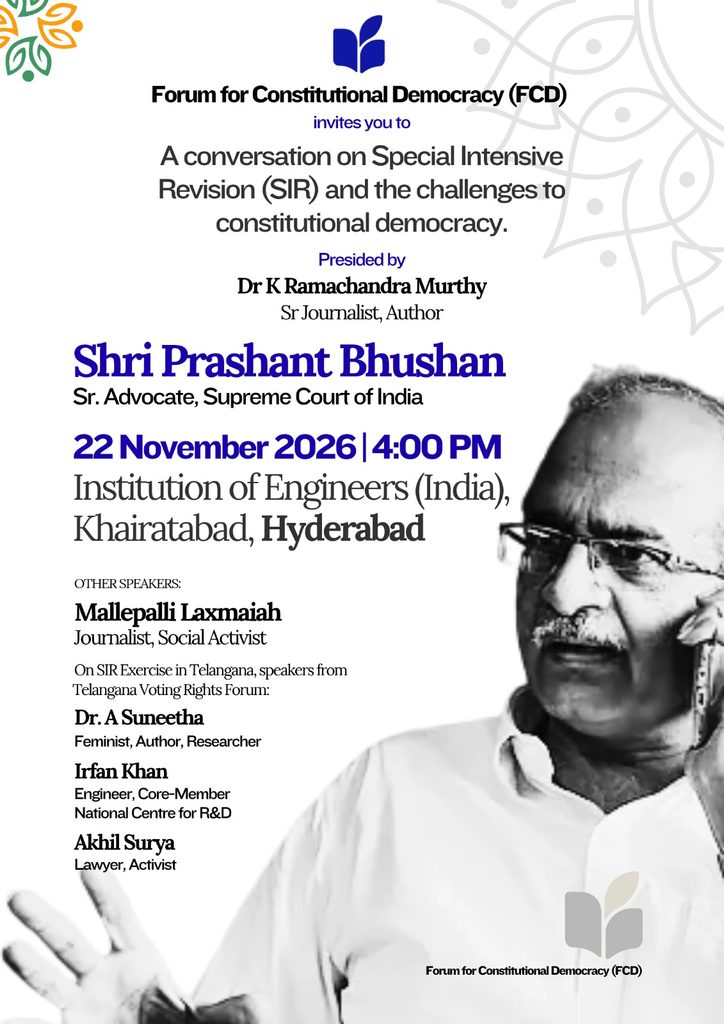
Anveshi’s feminist critique demonstrates that the SIR’s disproportionate impact on women is not an accidental clerical glitch, but the result of a fundamentally patriarchal administrative design. The “Progeny Mapping” Trap: Under SIR rules, voters under 40 who were not on the 2002 electoral rolls must link themselves as “progeny” to their parents’ or grandparents’ legacy records. Because Indian society predominantly follows patrilocal marriage—where women leave their natal homes to live with their husbands—married women cannot be mapped as progeny within their marital households. While men seamlessly inherit their residential and electoral lineage in the same locality, married women are treated as administrative outsiders in the homes they have lived in for years.
Erasure of Marital and Natal Continuity
Name changes after marriage, mismatches in a father’s versus a husband’s name on identity cards, and the lack of independent property or utility bills in women’s names further compound their vulnerability. Ultimately, Dr. Suneetha’s findings show that by anchoring voting rights to patrilineal legacy mapping rather than current residence, the SIR institutionalized patriarchal bias, turning a fundamental constitutional right into an uphill battle for women.
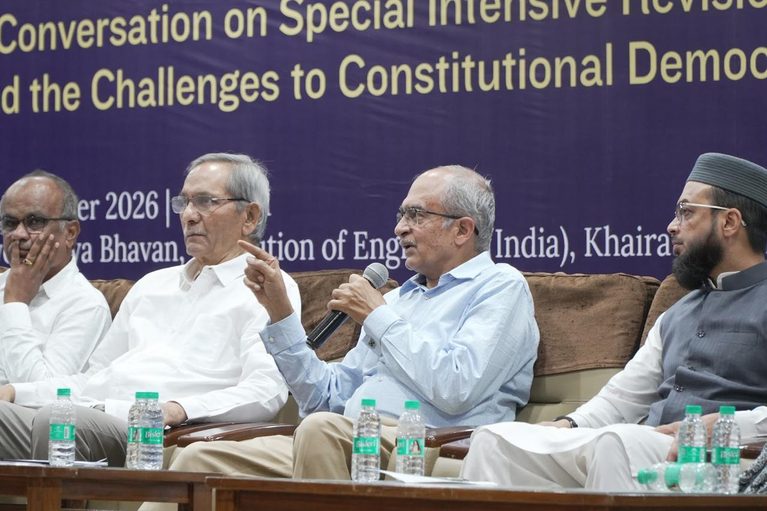
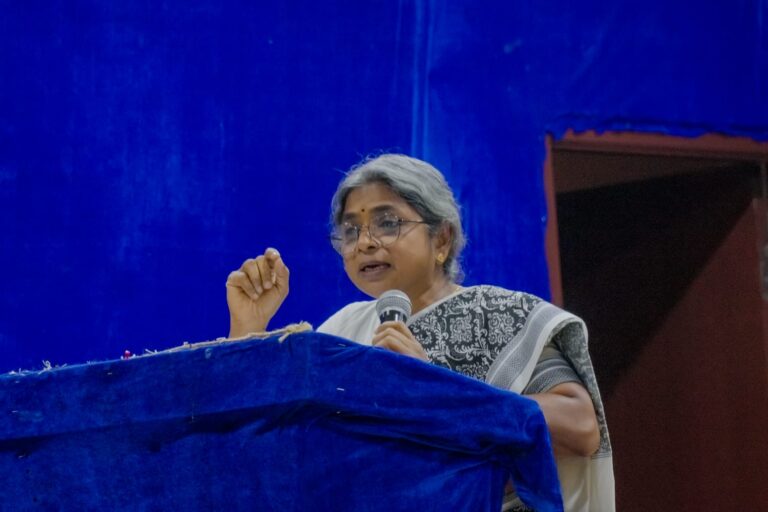
(A Suneetha, feminist, author and a senior researcher at Hyderabad, delivered a lecture on ‘Special Intensive Revision (SIR) and the Challenges to Constitutional Democracy’ at a meeting organized by the Forum for Constitutional Democracy (FCD) at the Institution of Engineers (India), Khairatabad, Hyderabad, on November 22, 2026)

With a journalistic long journey, we bring you https://primepost.news, a dynamic platform committed to unraveling the intricate tapestry of Indian politics, particularly delving deep into the heart of Telangana and Andhra Pradesh. Our blog is not just a source of news; it’s a reservoir of insights, analysis, and thought-provoking reviews.