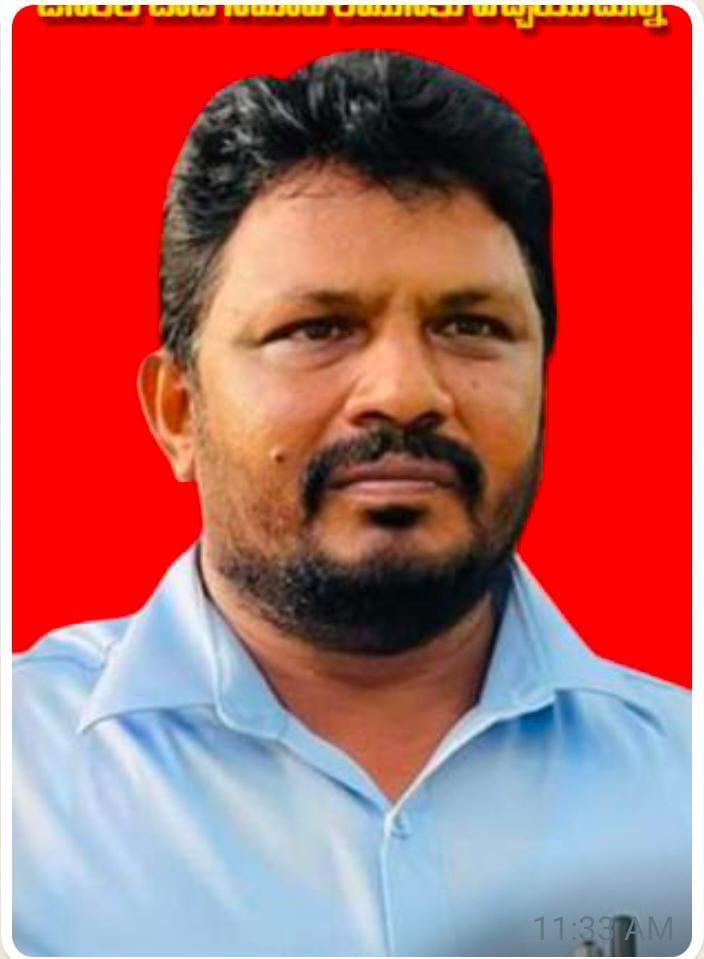
Independent probe into ghost faculty, staged hospital crowds
Fee exploitation is high in private medical colleges
Pending student stipends across the state-CPI State Secretary
Medical education is not a business meant for profiteering. It is a vital sector directly tied to human lives, the clinical competence of future doctors, and the health security of society. Yet growing complaints and serious allegations point to private medical colleges treating medical education as a lucrative commercial venture rather than a public service. Concerns are mounting that managements running colleges on heavy investments are prioritizing fee collection over academic standards, patient care, and hands-on clinical training. Allegations of ghost faculty on paper, inflated patient numbers in teaching hospitals, temporary mobilization of patients during inspections to create an illusion of busy wards, inadequate clinical exposure for students, exorbitant fees, and irregularities in stipends for interns and postgraduate medical residents have cast serious doubt on the credibility of the medical education system. Both the state government and the National Medical Commission (NMC) owe clear answers on these charges. When complaints of norm violations surface, regulators cannot brush them aside as routine issues; they must conduct independent, thorough inquiries and place the facts before the public.
Ghost Faculty on Paper: Where Is the Actual Teaching?
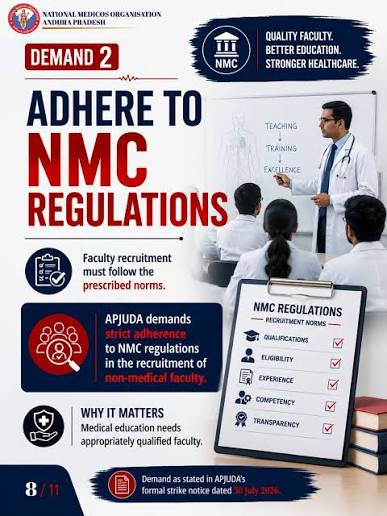
Under NMC norms, medical colleges must maintain qualified teaching faculty, teaching hospitals, sanctioned beds, outpatient (OP) and inpatient (IP) departments, laboratories, operation theatres, diagnostic equipment, and clinical units so students receive continuous, direct bedside training. Key questions demand straight answers. Do private medical colleges actually have the required faculty on campus? Is attendance being logged against people who do not work there? Are the same faculty members shown across multiple roles or claimed as part of more than one institution? Are staff members brought in only temporarily when inspection teams arrive? Authorities must continuously verify whether the faculty, staff, and hospital infrastructure listed in applications for recognition, seat increases, and renewals exist on the ground. Approvals cannot rest on paperwork alone; inspections must establish ground reality.
Mobilizing Patients During Inspections: How Credible Are NMC Checks?
Genuine patient footfall is central to medical education. Only when OP and IP departments see adequate numbers of real patients can students observe diverse illnesses first-hand and learn diagnosis, treatment, and clinical protocols. Meaningful practical training is impossible in hospitals with empty wards. Reports that certain under-utilized private colleges bring in temporary crowds during inspections—sometimes using daily-wage incentives or other inducements—to inflate patient counts require urgent scrutiny.
The benchmark cannot be a full hospital on inspection day; it must be consistent patient care and student training every single day. OP and IP registers, lab investigations, pharmacy usage, discharge summaries, and treatment records should be cross-verified both before and after inspections. Are NMC inspections uncovering the truth? Are they surprise checks conducted transparently? Are inspection reports, deficiencies, and follow-up actions accessible to the public? Any allegation of influencing inspections or managing the system to favour managements warrants an independent probe. Baseless accusations against individuals are wrong, but regulatory bodies must take responsibility when repeated violations go unpunished, approvals continue unchecked, and student grievances remain unresolved.
Charging Lakhs in Fees: Are Students Getting Quality Training?
Private medical colleges collect lakhs of rupees under management and NRI quotas. To put a single MBBS student through medical school, many families take on heavy debt or sell assets, facing severe financial strain. When colleges charge such steep sums, are they providing qualified teachers, adequate hospital facilities, real patient exposure, modern laboratories, libraries, hostels, and research opportunities? The government must investigate whether colleges are levying extra charges beyond regulated fees under the guise of hostel, lab, clinical, or miscellaneous fees, collecting capitation fees, or intimidating and pressuring students who question fee demands. Collecting crores from students without delivering quality medical education, hands-on training, and proper facilities is not running an institution—it is exploiting students’ futures.
Audit Stipend Irregularities for Interns and PG Doctors
Interns and postgraduate medical students in government and private colleges work round the clock across wards, emergency rooms, operation theatres, and ICUs, delivering essential care to patients. Paying their prescribed stipend on time is a core obligation of the institution. Allegations of delayed payments, partial disbursals, gaps between announced stipends and actual payouts, and records showing payment when money has not reached students call for a college-wise special audit. The reported ₹1 crore penalty imposed by the NMC on the Ongole Government Medical College over stipend norm violations underscores how closely stipend compliance must be monitored. Monthly audits across government and private colleges should verify actual bank credits to students, with college-wise disclosures of amounts payable, amounts paid, and pending dues.
Strengthen Government Medical Colleges and Fill Faculty Vacancies
Challenging malpractices in private colleges is only half the task; strengthening public medical education is equally urgent. Public sector medical colleges and teaching hospitals must expand so medical education does not drift into private hands beyond the reach of ordinary families. Reports indicate that around 200 of nearly 800 professor posts across 17 government medical colleges in the state lie vacant, with shortages of associate professors, assistant professors, and tutors even more acute in newer colleges. These vacancies must be filled immediately.
Additional medical support staff should be appointed so faculty members are not overburdened with excessive patient loads or non-teaching duties, leaving proper time for bedside teaching, clinical practice, and research. Newer government medical colleges must be equipped with complete buildings, teaching hospitals, modern labs, medical equipment, digital libraries, safe hostels, and nutritious mess facilities. A stronger public medical college network eases the financial burden on poor and middle-class families while delivering affordable, quality healthcare to the public—the true foundation of a strong public health system.
Issues to be addressed by CM
1. Statewide independent audit of private medical college faculty: Verify actual headcount, qualifications, biometric attendance, and potential dual affiliations across colleges.
2. Special inquiry into paper faculty and staged patient counts: Investigate ghost faculty, falsified attendance, inflated patient numbers, and temporary mobilization of patients during inspections.
3. Cross-verification of clinical records and surprise inspections: Audit OP and IP registers, lab tests, pharmacy consumption, discharge records, and clinical training logs, while ensuring inspections are unannounced and transparent.
4. Transparency in NMC inspections and approvals: Publicly disclose inspection protocols, team selection, inspection reports, enforcement actions, seat enhancements, and permissions, and independently probe any allegations of inspection manipulation.
5. Crackdown on fee exploitation: Investigate student complaints regarding excess charges over government-fixed fees, capitation fees, and other levies, and take strict action against proven violations.
6. College-wise stipend audit and clearance: Audit stipends for MBBS, intern, PG, and super-speciality students, publish payable amounts, disbursed amounts, and arrears for each college, and clear pending dues immediately.
7. Immediate permanent recruitment in government colleges: Fill vacant professor, associate professor, assistant professor, and tutor posts in government medical colleges through regular recruitment via the Medical Recruitment Board.
8. Infrastructure expansion for government medical colleges: Expand public colleges and provide newer institutions with complete buildings, hospitals, medical equipment, modern labs, digital libraries, hostels, and nutritious mess facilities.
9. Independent grievance redressal for students: Set up an independent mechanism for students across government and private colleges to resolve complaints on fees, stipends, teaching, hostels, harassment, and clinical training within a fixed timeframe.
10. Annual state report on medical education: Release a comprehensive annual state report covering medical education standards, faculty appointments, hospital performance, fee regulation, stipend disbursals, and student welfare.
Leaving medical education to the profit drive of private managements is playing with people’s health. The government must ensure that colleges charging lakhs in fees adhere to standards, thoroughly investigate allegations, and take strict action against those found guilty. Ensuring the competence of future doctors, protecting human lives, and keeping healthcare accessible to the poor are responsibilities of the government—and the Andhra Pradesh State Council of the Communist Party of India (CPI) demands that the government not shirk them.
(The article is written by Gijjula Eswaraiah, CPI Secretary of Andhra Pradesh, on the painful problems of medical students caused by the lackadaisical policies of the AP state government.)

With a journalistic long journey, we bring you https://primepost.news, a dynamic platform committed to unraveling the intricate tapestry of Indian politics, particularly delving deep into the heart of Telangana and Andhra Pradesh. Our blog is not just a source of news; it’s a reservoir of insights, analysis, and thought-provoking reviews.

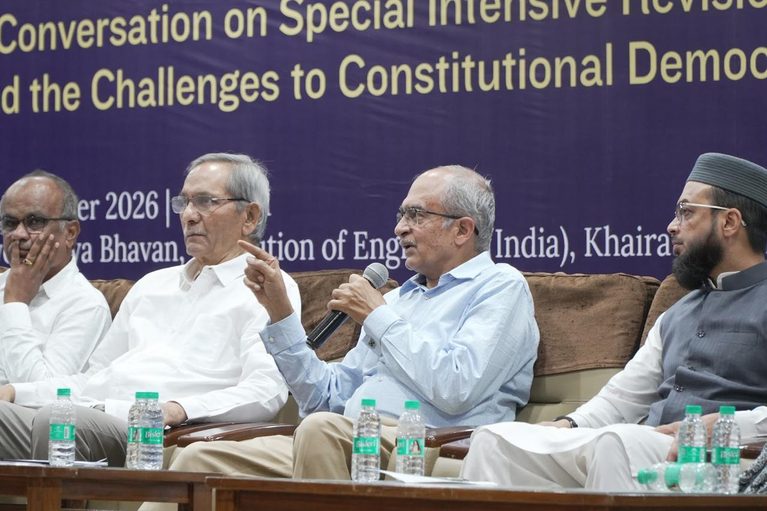

Hospital expenditure to common man is unbearable in private sector. Health and education must be free and under the control of government.