Distribution Patterns and Regional Prevalence of Endemic Crotalaria
Extended Crotalaria Distribution in Telangana
Fauna and Ecosystem Diversity: A Sanctuary Beyond Wildlife Divergence
Flora and Plant Taxonomy
Four scientists submit a Research Paper on the species
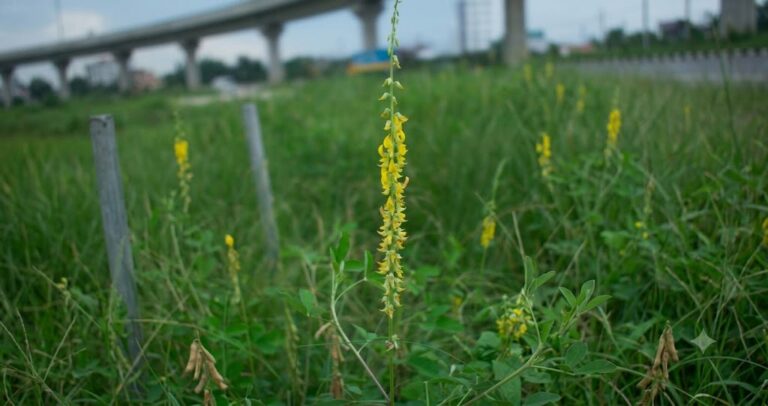
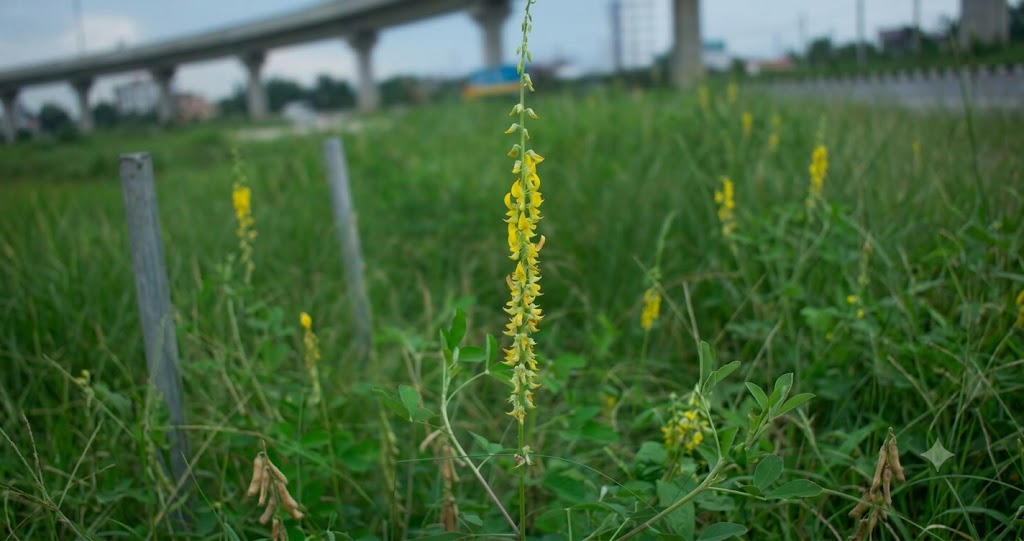
Kinnerasani Wildlife Sanctuary in Bhadradri-Kothagudem district is not only a place for different wildlife but also plants of botanical significance. Field surveys of Botanical experts in Telangana revealed the extended geographical distribution of two endemic flowering legume species like Crotalaria sandoorensis and Crotalaria vestita. The two botanical species were found by scientists in forests near Julupad and Manuguru in Bhadradi -Kothagudem district. The species, previously restricted to isolated pockets of the Peninsular Indian landscape, their documented presence in regions such as Bhadradri- Kothagudem and surrounding eastern forest belts marks an important expansion in the recorded flora of Telangana. Belonging to the family Fabaceae (subfamily Papilionoideae), the genus Crotalaria comprises herbs and shrubs commonly referred to as “rattlepods” due to the rattling sound dry seeds make inside mature legume pods.
Four botanical and eco-system scientists from Andhra Pradesh and Telangana including G Ravi, A V Bhaskara Reddy, P Anjaneyulu and D Veeranjaneyulu found the species and submitted a research article “Extended Distribution of Two Endemic Crotalaria Species to Telangana State.
Special Features of the Species
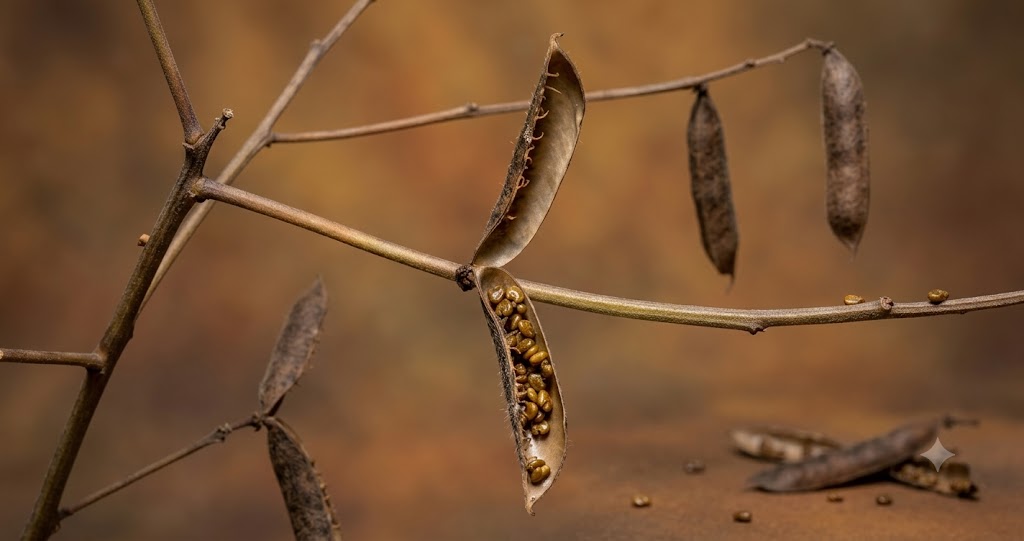
Both Crotalaria sandoorensis and Crotalaria vestita possess evolutionary adaptations tailored to semi-arid, rocky terrain and open forest fringes:Morphological Adaptations: Crotalaria vestita features a distinctive, dense silky-pubescent (hairy) coating over its stems and leaves. This structural feature reduces transpiration losses and protects delicate tissues from high solar radiation. Crotalaria sandoorensis is characterized by robust shrubby growth, well-developed terminal racemes, and specialized floral mechanics. Specialized Floral Structure: Like most member species of the tribe Crotalarieae, their bright yellow flowers showcase a standard petal, two wing petals, and a specialized curved, beaked keel. This specialized “tripping mechanism” ensures that pollen is released selectively onto specific insect pollinators, primarily solitary bees. Inflated Pod Dynamics: The fruit is an inflated, cylindrical pod. As seeds mature and detach internally, the light, hollow pod shell acts as a protective capsule, aiding wind-assisted dispersal across rocky slopes.
Environmental Importance and Ecological Roles
Endemic species serve as indicator organisms for ecological health. The documented presence of C- sandoorensis and C- vestita in Telangana highlights several key ecological contributions. Biological Nitrogen Fixation– As members of the legume family, these species form symbiotic relationships with Rhizobium bacteria within root nodules. They convert atmospheric nitrogen into bioavailable forms (ammonia and nitrates), enriching nutrient-poor soils in dry deciduous forest tracts without synthetic inputs. Micro-habitat Restoration and Soil Stabilization – With deep root networks adapted to dry, nutrient-deficient soils, these species anchor loose topsoil along hill slopes and clearings. Their leaf litter contributes organic biomass, improving moisture retention and paving the way for secondary plant succession in degraded forest ecosystems.
Specialized Pollinator Support
The bright yellow blooms offer critical nectar and pollen reserves during flowering seasons. Native solitary bees (Xylocopa and Megachile species) depend on these specific floral structures, fostering robust pollinator populations that benefit neighboring flora. Conservation and Evolutionary Value – Endemic plants with narrow distribution ranges carry unique genetic material suited to micro-climatic stressors. Mapping their extended ranges allows forest conservation managers to design targeted habitat protection zones, mitigating risks from habitat fragmentation and land-use changes.
Crotalaria sandoorensis grows primarily as an erect shrub or sub-shrub featuring prominent terminal racemes and a robust stem, allowing it to thrive along forest margins and rocky slopes where it aids in soil stabilization and biological nitrogen fixation. In contrast, Crotalaria vestita is a diffuse or erect villous herb distinguished by a dense, silky pubescent coating across its leaves and stems—an adaptation tailored to open, dry deciduous zones and gravelly soils where it plays a critical role in micro-habitat enrichment and supporting local pollinator networks. Kolipaka Sekhar, veteran journalist in Julurpad said, “The botanical scientists found the species in the forests recently and they were popular environment studies.

Editor, Prime Post
Ravindra Seshu Amaravadi, is a senior journalist with 38 years of experience in Telugu, English news papers and electronic media. He worked in Udayam as a sub-editor and reporter. Later, he was associated with Andhra Pradesh Times, Gemini news, Deccan Chronicle, HMTV and The Hans India. Earlier, he was involved in the research work of All India Kisan Sabha on suicides of cotton farmers. In Deccan Chronicle, he exposed the problems of subabul and chilli farmers and malpractices that took place in various government departments.
Email: ravindraseshu7@gmail.com
Mobile: 9063718675