Money and Inducements Dominate from in all Local Body Polls
Threats and Atrocities Undermine the Spirit of Democracy
Chandrababu Forfeited Moral Authority to Talk About Free Polls
People Must Resist the Politics of Inducements and Intimidation
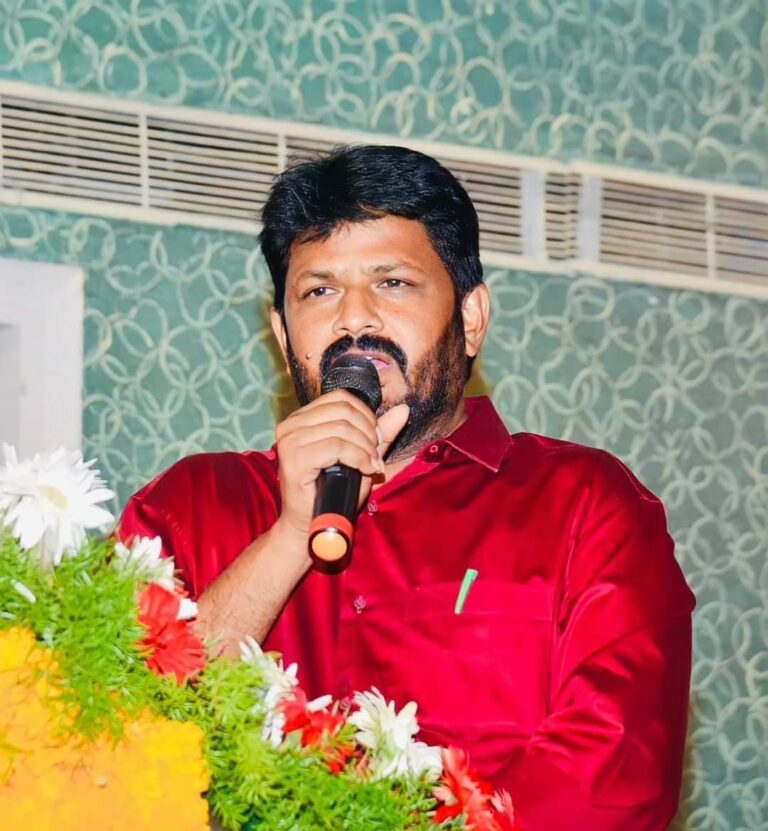
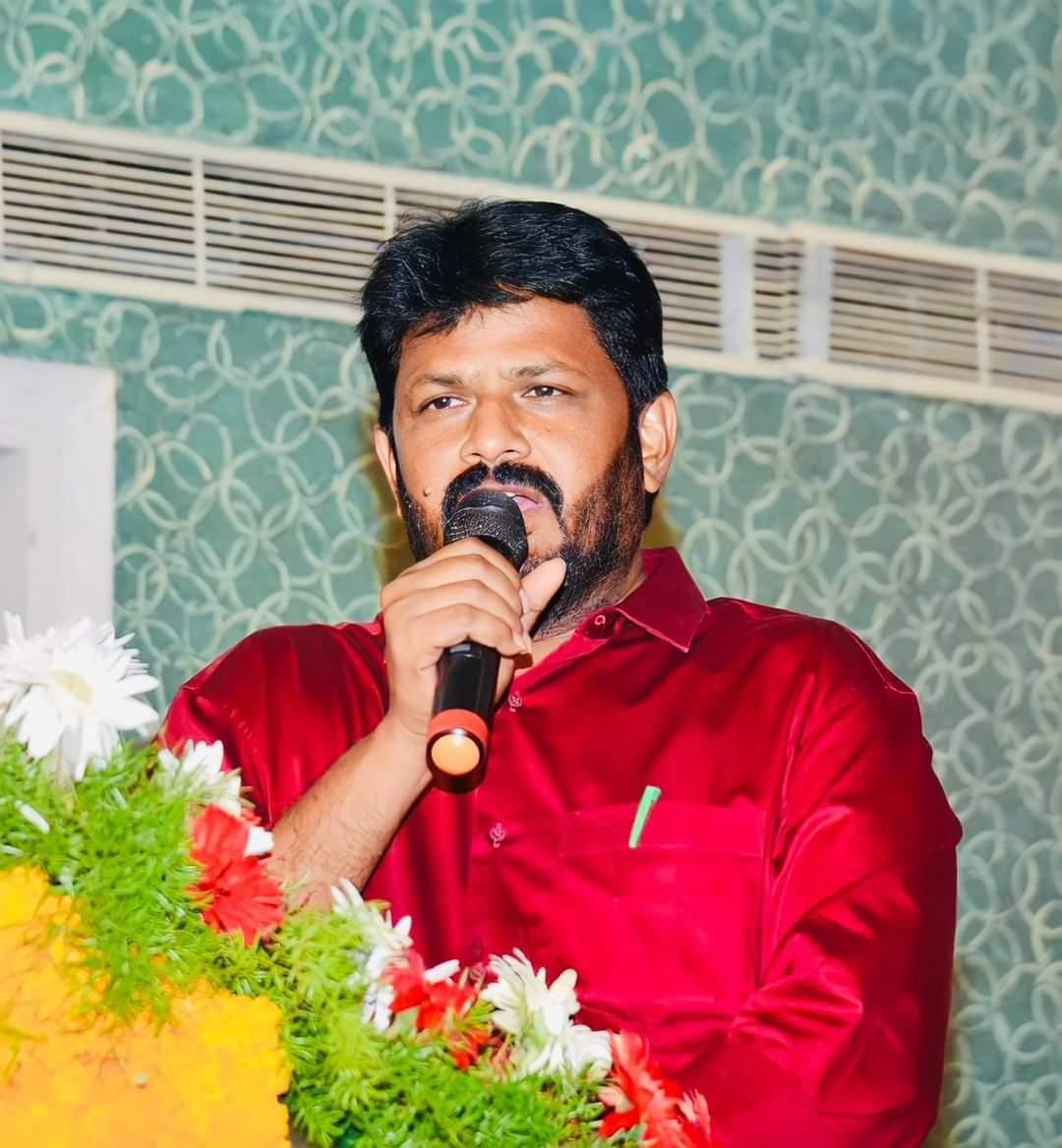
CPI Andhra Pradesh State Secretary Gujjula Eshwarayya strongly criticised Chief Minister Chandrababu Naidu, alleging that he has pioneered a vile political culture of buying the democratic system with money—from Gram Panchayat elections up to Parishad and Municipal Corporation polls. In a statement released on Sunday, Eshwarayya noted that Naidu’s remarks during a teleconference on the 14th of this month—advocating that “whether it is EVMs or ballot elections, Panchayat, Parishad, or Municipal polls, we must buy them, we must win, and we must remain in power”—expose his true attitude towards democracy.
“Unanimous Elections” Are the Open Murder of Democracy
“Chandrababu, democracy means winning elections with the support of the people and giving them the freedom to elect their preferred candidate without any pressure or inducements,” Eshwarayya said. He alleged that under Naidu’s rule, elections are ceasing to be a democratic process reflecting public opinion and are turning into an open market where the wealthy purchase political posts. Pointing out that Sarpanch posts in villages are being auctioned off for Rs 1 crore to Rs 2 crore under the guise of “unanimous elections,” he asserted that this is not consensus, but the open murder of democracy.
Gujjula Eshwarayya stated that this auction culture is no longer confined to Gram Panchayats, having spread to Mandal, Zilla Parishad, and Municipal levels as well. He explained that candidates are now forced to spend up to Rs 1 crore for MPTC and ZPTC seats, Rs 20 lakh to Rs 30 lakh for municipal ward posts, and Rs 50 lakh to Rs 1 crore for corporator positions. Furthermore, he noted that political circles are abuzz with talk that securing a Zilla Parishad Chairman post requires at least Rs 10 crore, while an MPP post demands Rs 5 crore to Rs 6 crore. He condemned these figures not as mere election expenses, but as evidence of a political business that buys democracy and a perverted trend that reduces public offices to financial transactions.
Public Offices Turned Into Political Investments
He questioned whether an individual who buys a village Sarpanch post for Rs 2 crore would genuinely serve the people, or instead treat government funds and village development works as business avenues to recover their election investment. Similarly, he demanded to know if someone spending Rs 10 crore to become a Zilla Parishad Chairman would prioritise public grievances or look to make profits on their political capital. Warning that this dangerous culture of turning public service into a business and political posts into investments poses a severe threat to the state’s future, he urged immediate introspection.
Highlighting that Gram Panchayats form the bedrock of the democratic system from which future leadership must emerge, Eshwarayya stressed that local bodies should serve as platforms for youth from ordinary farming, agricultural labour, and middle-class families to enter politics and fight for public issues. He questioned where ordinary citizens and a new generation of leaders would find space if posts are reserved only for those capable of spending crores of rupees, accusing the Chief Minister of shutting down political entry points that ought to remain accessible to the common man.
Coercion and Auctions Threaten Survival of Democracy
Eshwarayya alleged that the core objective of elections is being undermined by preventing rivals from entering the fray under the pretext of unanimous results, and by using inducements, intimidation, and money to force candidates out of the race. Recalling past incidents in Municipal, Corporation, ZPTC, and MPTC elections where opposition candidates were blocked from filing nominations and the police machinery was allegedly misused for the ruling party’s political gain, he stated that extending the same culture to the village level through auctions raises grave questions about the survival of democracy. Calling it a sign of double standards, Eshwarayya pointed out the contradiction between Naidu publicly calling for free and fair elections while privately instructing party leaders to “buy the elections and win.” He asserted that encouraging the purchase of offices meant to be won through popular mandate has no place in a democracy.
If Confident of Public Support, Why Rely on Money and Power?
Questioning the Chief Minister’s confidence, Eshwarayya asked why Naidu—who boasts of winning 164 out of 175 seats in the 2024 elections—is failing to create an atmosphere where people can vote freely in local body polls if he truly trusts in his public support. He demanded to know why Gram Panchayat elections, which are meant to be non-partisan, are being turned into a prestige issue for the ruling party, and why there is a need to rely on money, state power, inducements, and threats if they can genuinely win with the people’s backing.
Eshwarayya observed that this auction culture is not limited to the TDP alone, noting that its growing prevalence across other political parties makes it even more hazardous to democracy. Regardless of which party is in power or which political alliance seeks to advance its interests, he stressed that any practice measuring the public’s right to vote in monetary terms must be condemned. Political positions, he added, must be earned through public trust and democratic elections, not handed over to the highest bidder. Warning of severe administrative consequences, he noted that turning local bodies—meant to address rural education, healthcare, drinking water, sanitation, roads, employment, and agrarian issues—into hubs of political investment risks widespread misuse of public funds. Driven by the goal of recovering crores spent during polls, commissions, corruption, and exploitation in development contracts will inevitably rise, crippling rural development and ultimately harming the poor and ordinary citizens.
Naidu Lost Moral Authority to Speak on Free Polls
Demanding accountability, Eshwarayya stated that before speaking about democracy, constitutional values, and free elections, Chandrababu Naidu must answer for the growing culture of auction politics under his administration. He argued that by encouraging the purchase of offices with money while disrespecting the public mandate, Naidu has lost the moral authority to speak of free and fair polls.
Asserting that safeguarding the electoral system from the Gram Panchayat to Parliament is the responsibility of every democrat, Eshwarayya called upon the public to unite and push back against auction politics, inducements, and intimidation. He demanded that the government and the Election Commission take strict action against those resorting to threats and bribes, curb auctions conducted in the name of unanimous elections, protect every citizen’s right to contest, and ensure completely free and transparent local body polls. Finally, Eshwarayya appealed to democrats, intellectuals, the educated, and the youth to ensure that political offices go strictly to those elected by the people’s votes, and to put an end to the commercial political culture of buying power with money.
Principal Correspondent, Prime Post
CS Kulasekhar Reddy had thirty five years experience in journalism. He worked in Udayam and Andhra Bhoomi as reporter and sub-editor. He highlighted various social issues in Chitthoor, Ananthpur, Kadapa and Kurnool districts. He covered assembly sessions and Secretariat happenings.
Email: sangatiksr@gmail.com
Mobile: 9000400679