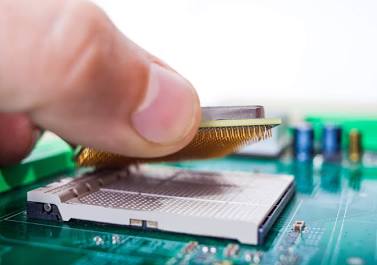
The Silicon Squeeze: AI and Hardware Demands
Geopolitical Tariffs and Supply Chain Friction
The rapid surge in global prices for smartphones, laptops, MacBooks, iPads, and other consumer electronics—with several models climbing steeply over the past six months—is driven by a structural shift in the global technology supply chain. For decades, consumers expected newer devices to offer better specifications for roughly the same price. Today, five converging pressures have reversed that trend across every major manufacturer.
The AI Data Centre Memory Crunch
The single biggest driver of higher hardware prices is the global race to build Artificial Intelligence infrastructure. Tech giants are spending hundreds of billions of dollars on AI data centres, which require massive quantities of High-Bandwidth Memory (HBM) and advanced processors. Because HBM is far more profitable than standard consumer memory, chipmakers like Samsung and SK Hynix have diverted their factory capacity away from producing the standard DRAM and NAND flash storage used in phones, laptops, and tablets. With consumer memory supplies severely restricted, component costs have skyrocketed—memory alone now accounts for roughly 35% of a laptop’s total production cost, more than double what it was a few quarters ago.
Mature-Node and EV Component Competition
Beyond high-end processors, everyday devices rely on hundreds of smaller chips—such as power management circuits, display drivers, and voltage regulators—built on older, “mature” manufacturing nodes. Capacity for these parts has failed to keep pace with demand, largely because the electric vehicle (EV) and industrial sectors are signing multi-year contracts that lock up factory supply. Consumer electronics brands are forced to bid higher or face extended delivery delays.
On-Device AI Hardware Requirements
Modern devices are no longer just running basic apps; brands are embedding local AI features like real-time translation, image generation, and smart assistants directly onto phones and laptops. Running these models smoothly requires higher base RAM, faster neural processing units (NPUs), and larger batteries. Even entry-level and mid-range gadgets now require expensive baseline hardware just to support modern software.
Geopolitical Tariffs and Supply Chain Friction
Ongoing trade tensions and tariff uncertainties between major economies have forced manufacturers to diversify assembly lines across multiple countries. Building redundant supply chains, paying higher import duties, and stockpiling safety inventory to avoid sudden trade disruptions all add substantial overhead that brands pass directly to retail buyers.
Currency Depreciation and Local Import Costs
In markets outside the United States, currency fluctuations amplify these global hardware hikes. Because core semiconductors, OLED displays, and camera sensors are priced in US dollars, a weaker local currency—such as the Indian Rupee—makes importing components dramatically more expensive, even when final assembly happens locally. Because chipmakers are cautious about overbuilding new factories after past market crashes, analysts expect elevated gadget prices and smaller festive discounts to persist well into 2028.

Editor, Prime Post
Ravindra Seshu Amaravadi, is a senior journalist with 38 years of experience in Telugu, English news papers and electronic media. He worked in Udayam as a sub-editor and reporter. Later, he was associated with Andhra Pradesh Times, Gemini news, Deccan Chronicle, HMTV and The Hans India. Earlier, he was involved in the research work of All India Kisan Sabha on suicides of cotton farmers. In Deccan Chronicle, he exposed the problems of subabul and chilli farmers and malpractices that took place in various government departments.
Email: ravindraseshu7@gmail.com
Mobile: 9063718675