Administrative Failures and Operational Challenges in Andhra Pradesh
ESI Scale, Funding Model, and Core Benefits
Healthcare Delivery Tiers and Regional Infrastructure
Sectoral Expansion: Granite Industry and Unorganized Workforce
BMS Action Plan, Policy Demands, and Agitation Strategy
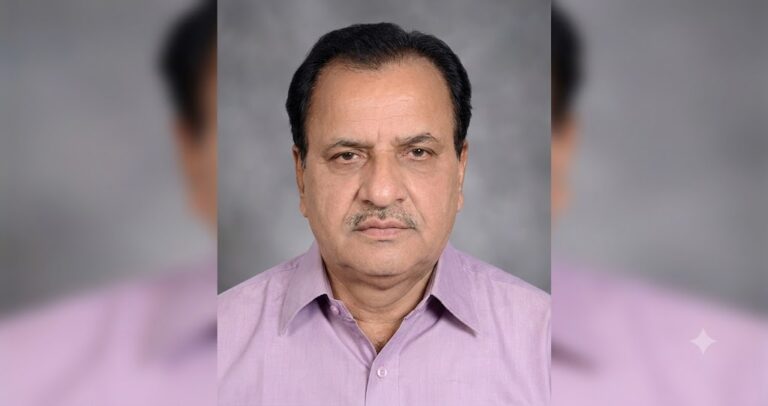
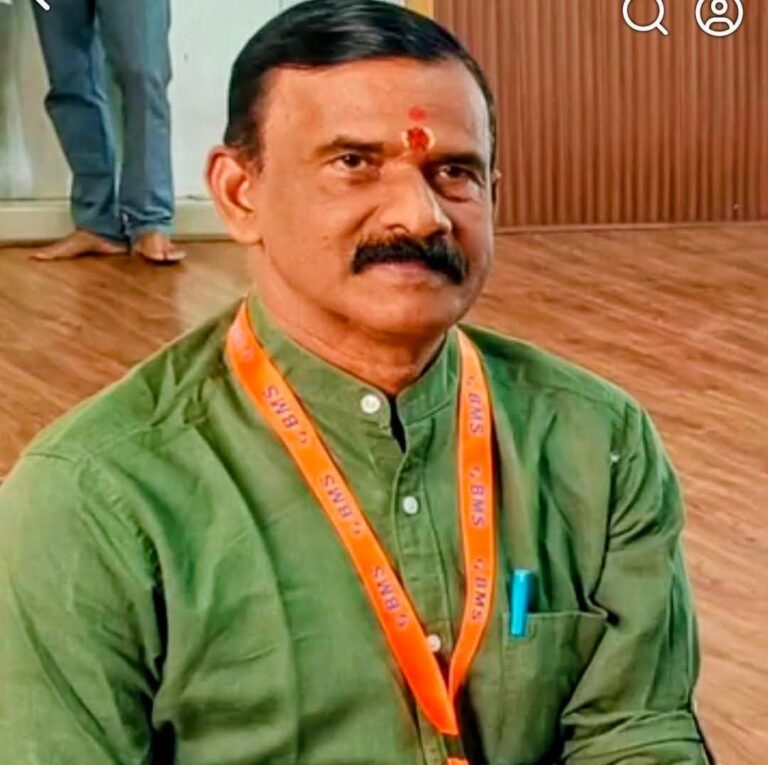
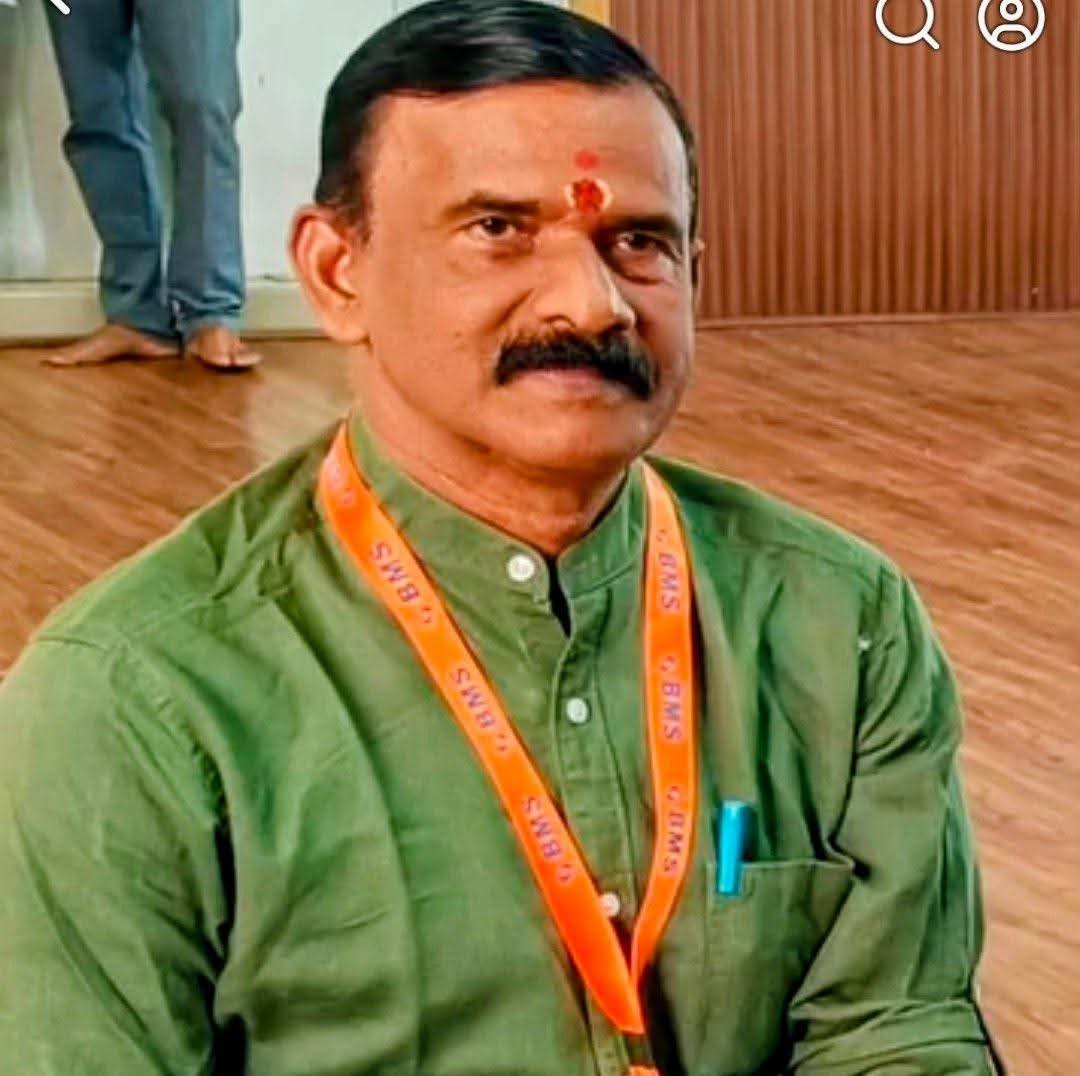
In an interview with C. S. Kuala Sekhar Reddy, Principal Correspondent of Prime Post in Vizag on September 27, 2026 , V. Radhakrishnan—BMS Zonal Organizational Secretary and former ESI Central Board Standing Committee member—shared his perspectives on the maintenance of ESI hospitals across various states. During the interaction, he expressed strong indignation over the dismal state of affairs and deteriorating infrastructure of ESI healthcare facilities in Andhra Pradesh.
ESI Benefits, Governance, and Expansion Issues
Kulasekhar Reddy: Could you introduce yourself and provide an overview of the reach and scale of the ESI scheme?
V. Radhakrishnan: Greetings. I am V. Radhakrishnan, BMS Zonal Organizational Secretary and a former member of the ESI Central Board Standing Committee for the past 10 years. Across the country, ESI covers a total of 3.5 crore Insured Persons (IPs). Including their dependent family members—such as parents, spouses, and children—there are nearly 13 crore total beneficiaries. ESI is one of the largest social security schemes in the world, offering maximum benefits for a minimal contribution.
Kulasekhar Reddy: How is the contribution structured, and what benefits does the scheme provide?
V. Radhakrishnan: The system is funded by a combined salary contribution of 4%—with 3.25% paid by the employer and 0.75% paid by the employee. All main ESI offices are named “Panchdeep Bhavan” to represent the five core benefits: medical, sickness, maternity, death, and disability benefits, alongside nearly ten secondary benefits. Sickness, disability, death, and maternity benefits are delivered as direct cash payments.

Kulasekhar Reddy: How is healthcare delivery organized across different levels of care?
V. Radhakrishnan: Medical care is structured across three tiers: primary, secondary, and super-specialty treatment. Primary Healthcare: Delivered through nearly 2,000 dispensaries nationwide (including 83 in Telangana). Under ESI norms, setting up a dispensary requires a minimum concentration of 3,000 IPs in a location. Family Coverage Limit: Each family head receives guaranteed medical coverage of up to ₹10 lakhs annually. For major procedures like liver or kidney transplants, additional coverage ranging from ₹25 lakhs to ₹50 lakhs can be approved by the Director General (DG) and the Ministry of Labour.
Kulasekha Reddy: What is the current medical infrastructure in the South Indian states?
V. Radhakrishnan: Infrastructure varies significantly across states: Keralam: It has over 10 lakh Insured Persons and 11 hospitals. Three are run directly by the ESI Corporation—including a super-specialty model hospital at Kollam—while seven are managed by the State Government under DIMS (Directorate of Insurance Medical Services).
Tamil Nadu: Has over 28 lakh IPs and operates two medical colleges (Chennai, run by ESIC; and Coimbatore, run by the State). Karnataka: Has 26 to 28 lakh IPs and two medical colleges (Gulbarga and Bangalore). Telangana: Features a 1,000+ bed medical college at Sanathnagar offering advanced treatments like bone marrow transplants. Andhra Pradesh: Has nearly 15 lakh IPs (roughly 60 lakh total beneficiaries). Facilities include a hospital in Kakinada and an under-construction super-specialty facility in Sheela Nagar, Visakhapatnam.
Kulasekhar Reddy: What primary administrative problems are affecting operations in Andhra Pradesh?
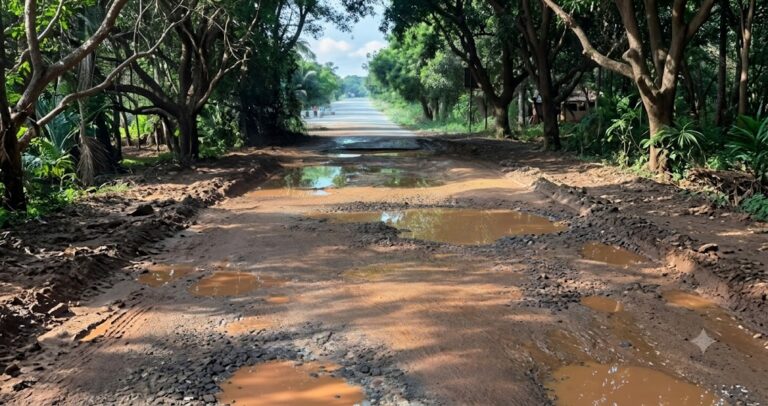
V. Radhakrishnan: The medical care system in Andhra Pradesh has severely deteriorated. Dispensary Deficit: The state operates only 83 dispensaries for 15 lakh IPs, whereas a minimum of 150 dispensaries are required.
Inactive Regional Boards: By law, ESI Regional Boards (tripartite bodies of employers, employees, and state labor ministers) must meet at least twice a year. Andhra Pradesh has not conducted a single Regional Board meeting in 20 years.
Infrastructure Neglect: A major 100-bed hospital in Vijayawada currently sits at zero occupancy. Inactive Hospital Committees: Statutory Hospital Development Committees (HDCs), which are required to meet four times a year to maintain facilities, are largely functional in Kerala but inactive in most other states.
Kulasekhar Reddy: What specific measures are you proposing for granite sector workers in Andhra Pradesh?
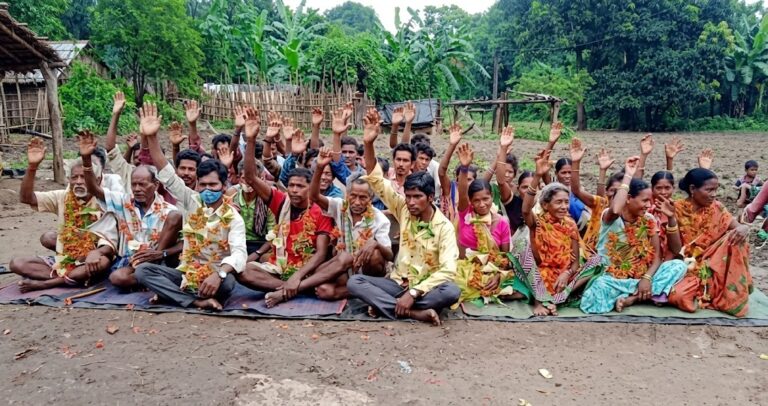
V. Radhakrishnan: Andhra Pradesh employs nearly 5 lakh workers across 40 major granite mines and 2,000 polishing units, yet registration numbers remain extremely low. We urge the Government of India, the Andhra Pradesh Government, and ESIC to establish a special task force to enroll all granite workers. In Prakasam district alone, where over 2 lakh granite workers are employed, a 30-bed hospital was previously approved but never built. BMS is advocating to upgrade this to a full 100-bed hospital.
Kulasekhar Reddy: What about the granite cluster in Chimakurthy?
V. Radhakrishnan: Chimakurthy produces high-quality black galaxy granite and houses around 40 major mines. We are engaging in joint discussions with employer representatives and labor leaders to set up adequate dispensary and hospital facilities there and to launch a targeted enrollment drive for all local granite workers.
Kulasekhar Reddy: Are there any initiatives to include agricultural laborers under ESI?
V. Radhakrishnan: Agricultural labour is not currently covered under ESI. However, over 93% of India’s workforce operates in the unorganized sector—including agricultural laborers, fishermen, domestic staff, and gig workers. BMS is petitioning the Central Government to expand social security coverage so that all unorganized categories eventually fall under the ESI umbrella.
Kulasekhar Reddy: Are beneficiaries satisfied with the overall services provided by ESI?
V. Radhakrishnan: No, we are not satisfied. ESI holds reserve funds of over ₹96,000 crores, so funding is not the issue. The problem stems from administrative failures: Severe Staffing Shortages: Shortage of doctors, paramedics, and administrative staff lead to major operational delays. Improper Patient Referrals: Instead of treating patients directly, many ESI dispensaries and hospitals unnecessarily forward patients to state-run general hospitals. Reimbursement Delays: Benefit reimbursements suffer from prolonged administrative lagging. BMS holds three employee seats on the ESI Board. At the next Central Board and Standing Committee meetings, we will submit a comprehensive memorandum detailing these administrative shortcomings directly to the Union Labour Minister.
Kulasekhar Reddy: What is your time-bound action plan if state governments fail to address these issues?
V. Radhakrishnan: We are currently compiling state-by-state lists of worker grievances and submitting formal representations to the respective Chief Ministers and Labor Ministers. We will send official delegations for direct dialogues. If prompt corrective action is not taken, BMS will launch large-scale protests and agitations across the affected states.
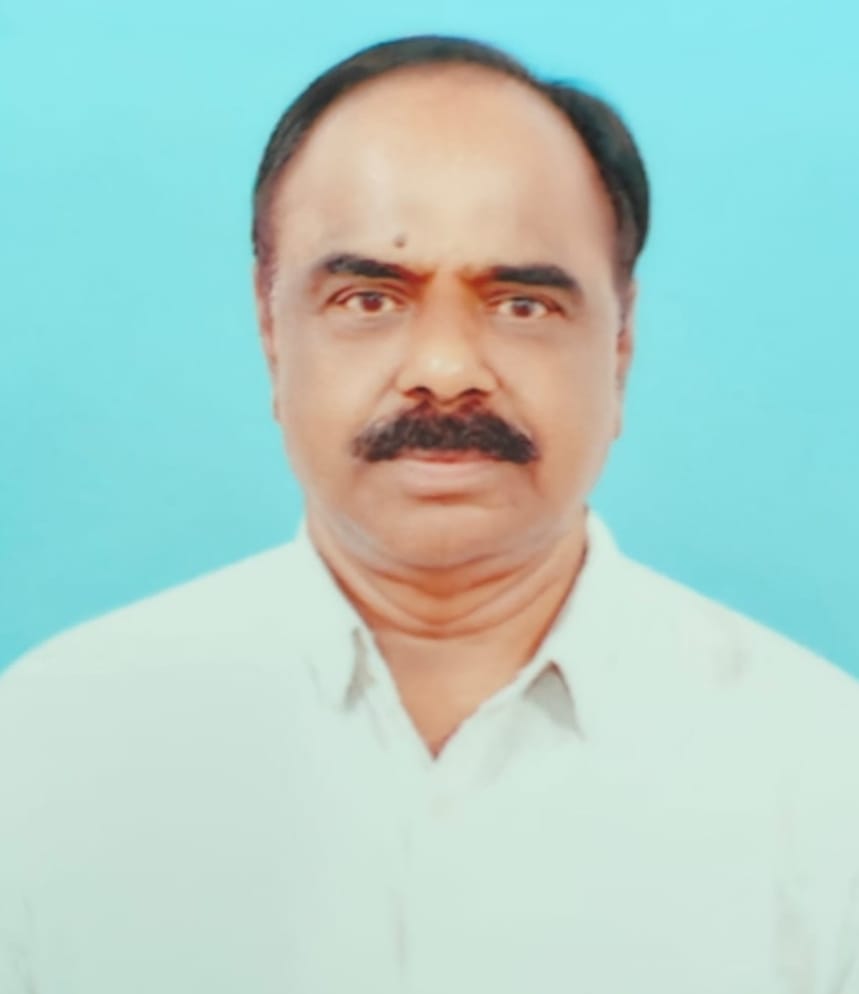
Principal Correspondent, Prime Post
CS Kulasekhar Reddy had thirty five years experience in journalism. He worked in Udayam and Andhra Bhoomi as reporter and sub-editor. He highlighted various social issues in Chitthoor, Ananthpur, Kadapa and Kurnool districts. He covered assembly sessions and Secretariat happenings.
Email: sangatiksr@gmail.com
Mobile: 9000400679