The NEET Crisis: A Systemic Collapse of Trust and Integrity
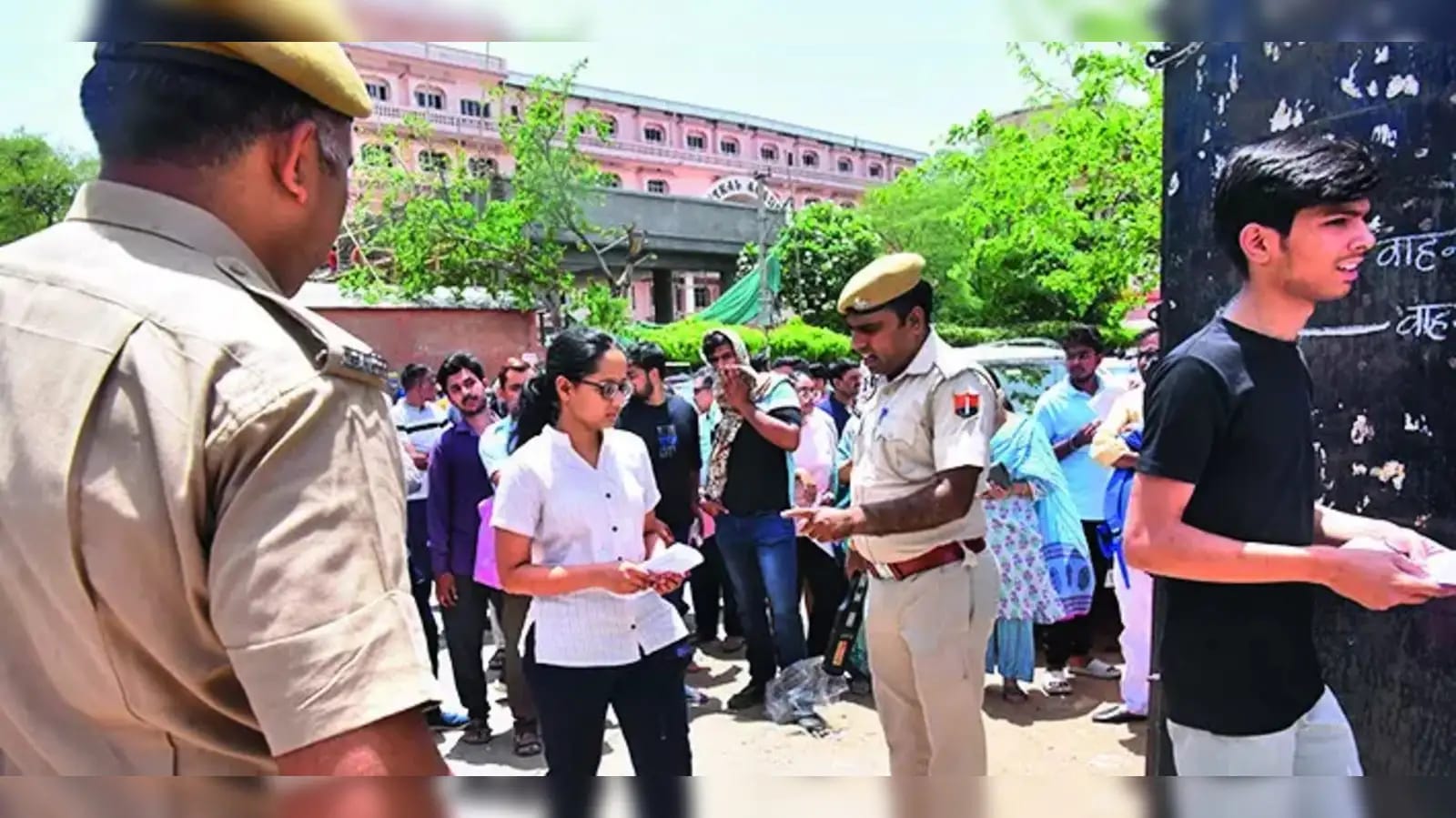
The National Eligibility – cum- Entrance Test (NEET), the gateway to some 1.3 lakh MBBS seats in India’s medical colleges, is the most consequential examination on which the student community has been dependent for their future. It is the most competitive test for the students whose industry, financial investments and emotions are severely tested. The NEET was conducted on 03 May 2026 in which some 22 lakh students took part (The total number of candidates who registered was 22.79 lakhs) in 5,432 centres in 551 cities across the country and 14 cities abroad. Over 6,000 observers were deployed for independent monitoring. 674 city coordinators were assigned for supervision. More than two lakh persons participated in the exercise.
As the investigations revealed that the paper has been leaked, the National Testing Agency (NTA) on Tuesday cancelled the NEET UG 2026 examination shocking lakhs of students. The NEET will be conducted again on fresh dates for which the candidates will not need to re-register or pay any additional fee. All existing applications will remain valid. NEET is the largest entrance examination in the world conducted for admission to undergraduate medical courses such as MBBS, BDS, BAMS, BSMS, BUMS and BHMS across the country. The NTA has acknowledged that conducting the examination again may cause inconvenience to candidates and their families. It explained that the decision to cancel the examination was necessary to maintain the integrity and credibility of testing process.
Verification of the 2026 Question Paper Leak
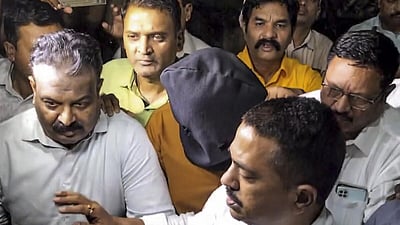
At 11 pm on May 2, a few hours before the NEET test started, an MBBS student from Rajasthan’s Sikar studying in Kerala sent a ‘guess paper’ to his father who runs a hostel for coaching students in Sikar. Neither the son nor the father knew that they stumbled on a NEET exam paper leak. The consequences were cancellation of the entire exam and a Central Bureau of Investigation takeover of the case that at present spans over several states. It seems the Kerala MBBS student got the guess paper in PDF format from a friend in Sikar. The chemistry teacher, who is known to the father who runs the hostel in Sikar, was approached by the father. He compared the guess paper with the actual question paper and found that of the 108 questions 45 were exact copies. In Biology paper out of 204 questions 90 matched. The guess paper had an unbelievable strike rate – 135 questions had matched the originals. The hostel owner and the chemistry teacher had then approached the local police. To their shock, the local police refused to lodge the case and investigate the matter. The police blamed the hostel owner and the chemistry teacher of trying to get examination cancelled since they are lodging the complaint after the exam was over. They should have complained before the exam and not after, said the police.The hostel owner and the teacher sent an email to the NTA which took them seriously. The NTA wrote to the Intelligence Bureau and on May 8, asked the Rajasthan Special Operations Group (SOG) to investigate the matter.
Institutional and Procedural Failures
The Federation of All India Medical Association (FAIMA) approached the Supreme Court on Tuesday seeking reforms in the NEET-UG examination system after the cancellation of the 2026 exam. The CBI will investigate how far this guess paper had spread. It is said that two brothers in Jamwaramgarh in the outskirts of Jaipur had sold the paper to a contact person. When the SOG questioned the brothers they spilled the beans. The student of Ayurvedic medicine in Haryana who bought the paper from Jaipur brothers sold it for large sums of money to NEET aspirants from places like Andhra Pradesh, Telangana, Jammu and Kashmir and Bihar.
Historical Patterns and Government Response
Two years ago on 13 June 2024, a month after the NEET was held on May 5, Union Education Minister Dharmendra Pradhan emphasized that there had been no leakage of the medical entrance paper. By 25 June that year, the CBI was handling the case of leakage of question paper. The first FIR was filed by the police in Bihar on the day the exam was conducted on 5 May 2024. But for the government to concede and order investigation, it took more than a month. This year the leak was confirmed rather quickly, in ten days-time.
Socio-Economic Consequences
There appears to be fundamental flaw in NTA. There is something wrong with the concept, management, priorities and cyber-technology security. NTA was established in 2017. Right from inception, its functioning is marred by question paper leaks, cheating, fraud and manipulation making it mentally agonizing to the student community. That was why the well-to-do Indian families are sending their children abroad for undergraduate studies. It is being made difficult by politicians like the US President Donald Trump. But a NITI Aayog working paper released in November 2025 cites RBI numbers to show that Indians’ spending on overseas education has been meteoric over the last decade. In 2013-14, Indians spent about 975 crore – equal to almost half of Government India’s higher education budget. However, only three out of every hundred Indian students study abroad. The rest of 97 have to undergo the trials and tribulations caused by the government failure. In the last decade, there have been 20 exams put offs, cancellations, postponements and re-examinations.
The latest NEET fiasco, the second biggest in two years, has raised questions about the NTA capacity to preserve the integrity of the entrance examination. No doubt, conducting this kind of huge exercise is a major challenge to the government and the agencies. After the 2024 breach, the Centre constituted a committee headed by former ISRO chairman K. Radhakrishanan to suggest measures to improve the NTA’s working. The committee had made certain recommendations. The NTA is yet to completely implement the recommendations regarding the digitalization process. It also recommended improving accountability at all steps of the examination process. This is the most meaningful recommendation which is yet to be fully implemented. The NTA heavily depends on private institutions to carry out the process. The NTA does not own responsibility for the fiasco. It blames the private, external operators. The Centre has to intervene and do something concrete about it on priority basis.
Prominent Journalist
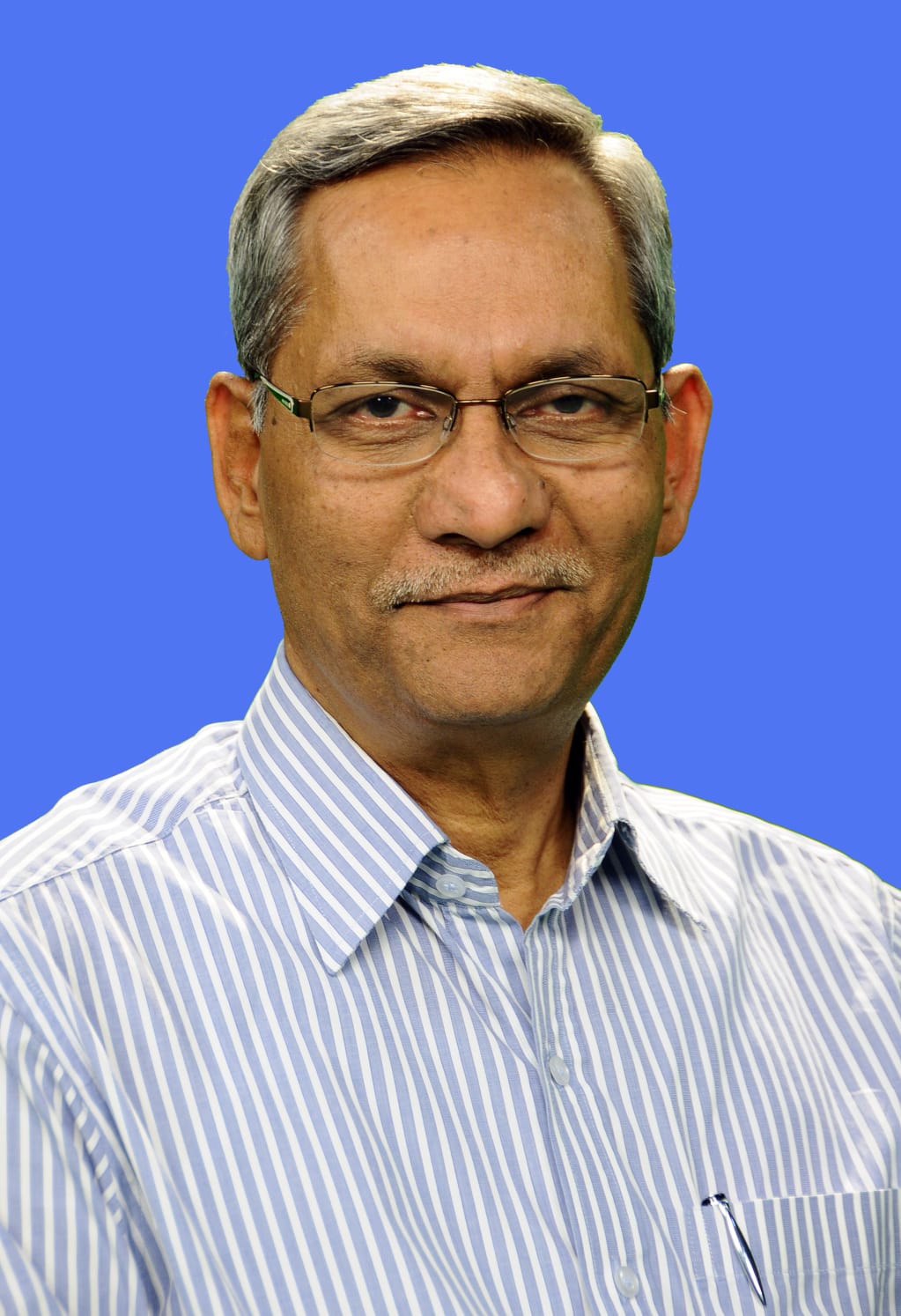
Dr. K. Ramachandra Murthy is a versatile journalist with a distinguished career. Dr. Murthy began his extensive career with Andhra Prabha of The Indian Express group in Bengaluru. He was editor of Udayam, Vaartha and Andhra Jyothy. Dr. Murthy founded and edited HMTV news channel and The Hans India, an English newspaper. He was also editorial director of the Telugu newspaper, Saakshi. He was awarded Ph. D for his research work in rural reporting. Dr. Murthy’s five decades in journalism showcases his influential roles across both print and electronic media. He wrote the political biography of NTR published by Harper Collins.
Email: murthykondubhatla@gmail.com
Mobile: 9908002211