Journalism Beyond Borders: The Udayam Standard
A Legacy of Truth: Udayam’s Spirit Lives On After 31 Years
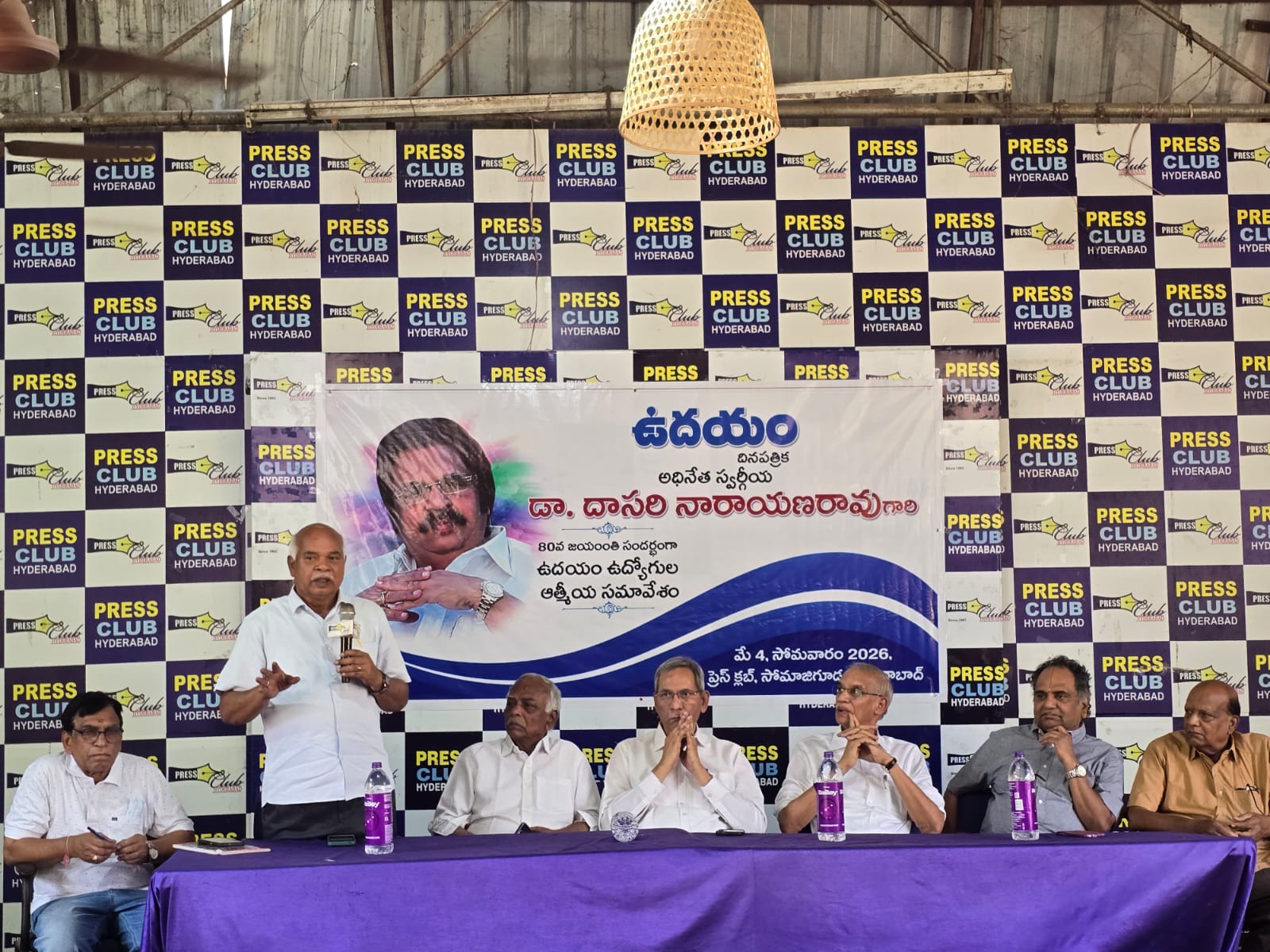
On May 4, 2026, the Press Club of Hyderabad in Somajiguda hosted a poignant gathering to commemorate the birthday of the legendary filmmaker and journalist, Dasari Narayana Rao. While the event celebrated his life, the primary focus became the enduring legacy of Udayam, the Telugu daily he founded. Though the newspaper began on December 29, 1984, and ceased publication on May 23, 1995, its influence remains remarkably vibrant even three decades after its closure.
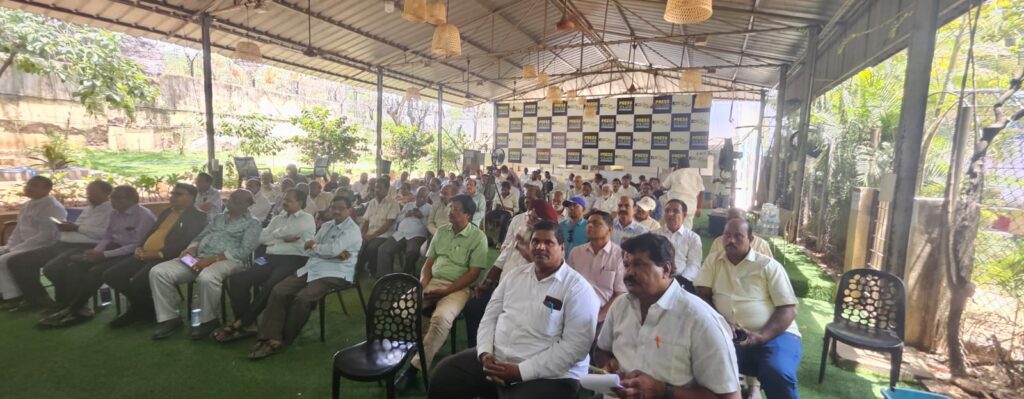
Chief guests and former staff members described Udayam as a publication defined by limitless journalism, fearless reporting, and a singular purity of purpose. The most striking takeaway from the gathering was the deep emotional “vibration” that still resonates among its former employees. Speakers noted that it is a “rarest of rare” phenomenon in Indian media history for staff—ranging from delivery boys and marketing teams to artists and veteran editors—to still feel a profound sense of ownership over a newspaper that closed 31 years ago.
The ‘Bold and Beautiful’ Spirit of Investigative Reporting
This unique bond was attributed to the purity of mind and freedom of thought fostered by Dasari Narayana Rao. The culture he built encouraged everyone to treat the organization as their own. Today, many former Udayam employees have moved into diverse fields outside of media, yet they carry the “bold and beautiful” spirit of their early careers, crediting the high professional values of the newspaper for their resilience through life’s challenges.
Prominent journalist Dr. K. Ramachandra Murthy highlighted the “gutsy” journalism that defined Udayam, contrasting it with the rapidly changing media landscape shaped by social media. Distinguished journalist Pasam Yadagiri shared personal anecdotes of working with Dasari, noting how the founder navigated professional hurdles with grace.
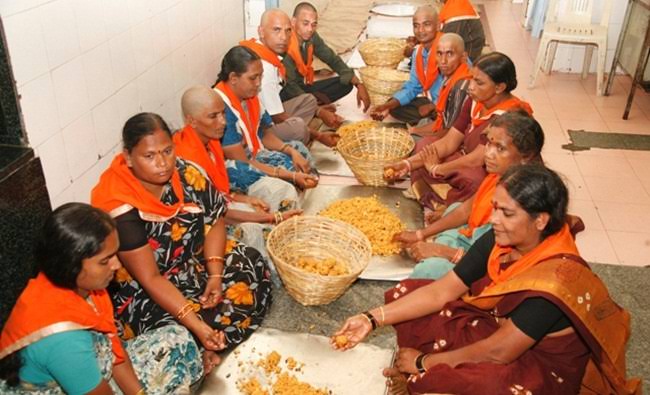
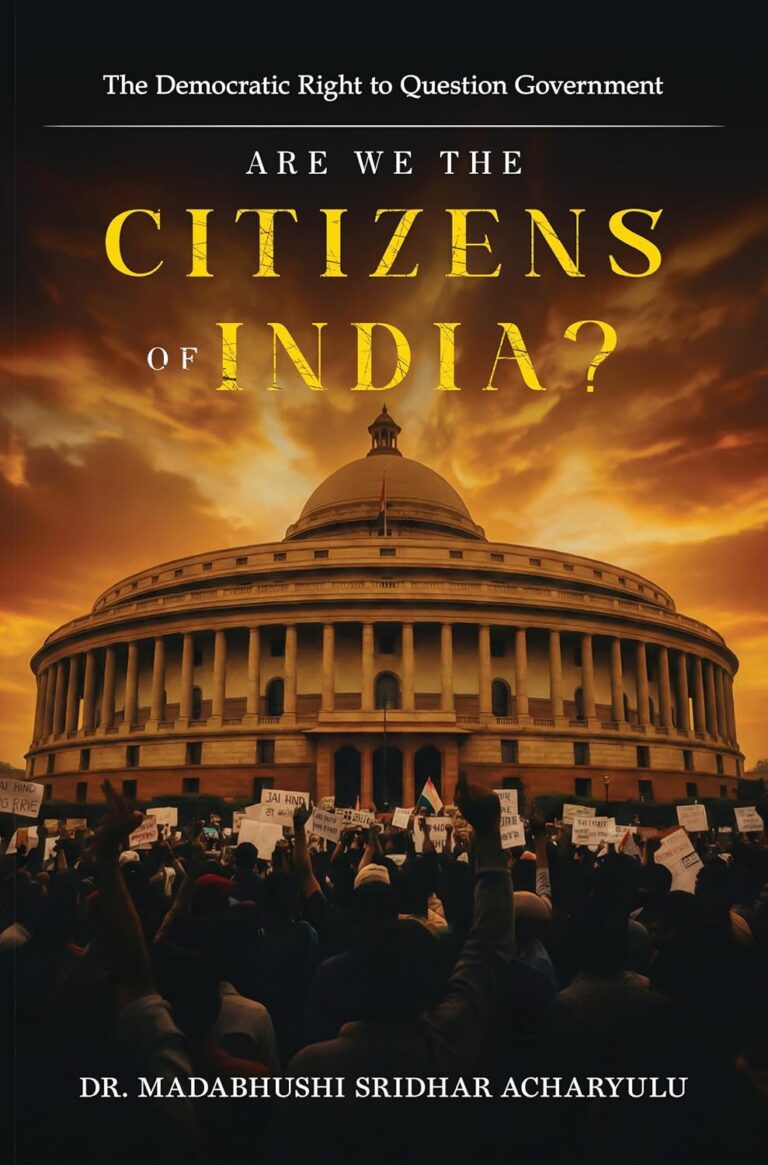
The era’s investigative prowess was a major theme. Dr. Madabhushi Sridhar (former RTI Commissioner) and D. Saibabu (Editor of Vaartha) recalled the absolute freedom and confidence Dasari provided when they investigated irregularities within the Tirumala Tirupati Devasthanams (TTD). Dasari Krishna Reddy added that this culture of accountability extended to exposing government corruption, solidifying Udayam as a pioneer of investigative reporting in the region.
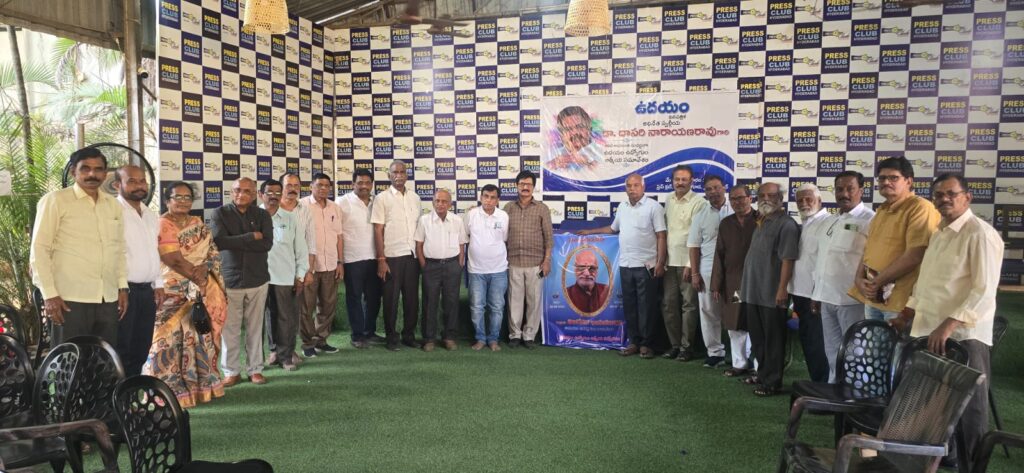
The event also shed light on the workplace culture. Trade union leader Gurava Reddy mentioned that despite disagreements, the management always listened to employee concerns with an open mind. Veteran journalists Hemasunder and Satyavathi echoed these sentiments, describing the “purity of thought” that united the entire team. C.V. Subba Rao, the former CEO, provided a management perspective on the newspaper’s historic success.
The Udayam Family or Regional Impact
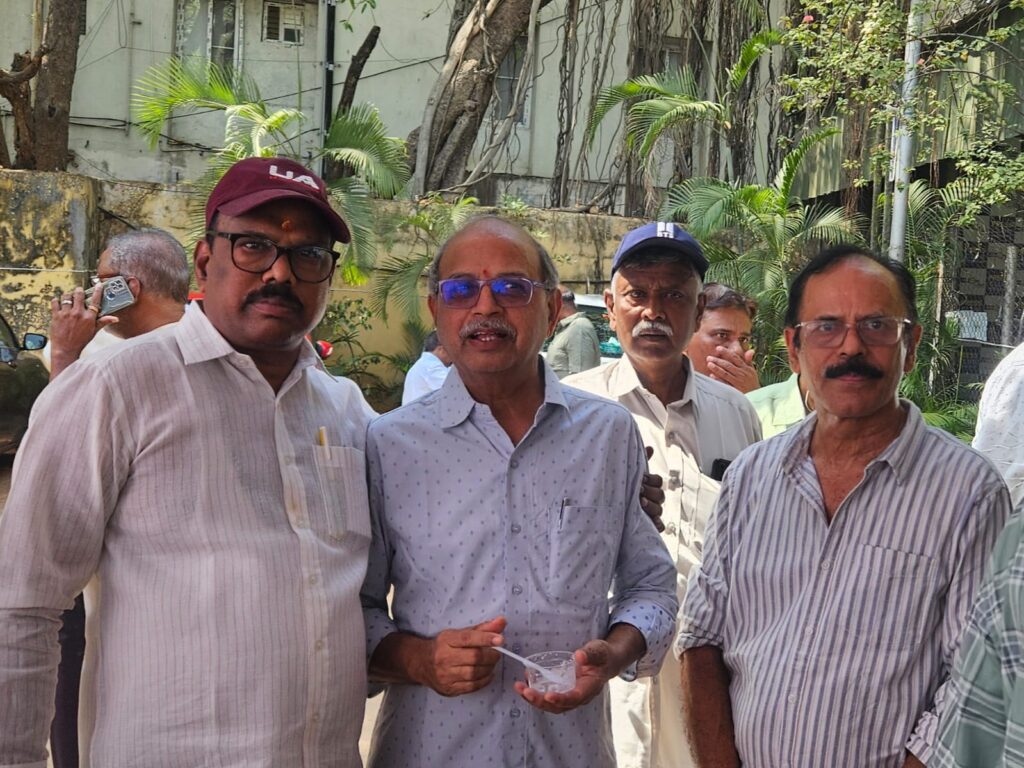
A significant presence at the meeting was a 20-member team of journalists from the erstwhile Warangal district, led by D. Krishna Reddy, whose identity remains closely linked to the publication. Other attendees included Godugu Srinivas, Raghunath, R. Ramesh, and Sadanandam, among many others. The team from Sivaranjani, the popular film weekly published alongside Udayam, also shared memories, with editor Jamunarani and her colleagues Siva Prasad and V Bhaskar and Srinivas recalled their memories. Rural reporter Ragi Sahadev recalled his story in Udayam titled ‘Police Kacherilo Saraswathi Kacheri’.
Honoring the Voice of Telangana: The ‘Palukubadi’ Legacy
The gathering concluded on a solemn note as members paid tribute to Telidevara Bhanu Murthy, who recently passed away. He was celebrated for his famous column, ‘Palukubadi’, which championed the beauty of the Telangana dialect. Decades after its final print run, the “Udayam family” proved that while a newspaper can close, the values of integrity, freedom, and professional courage it instills can last a lifetime. Akkineni Sridhar, Durga Kumar, Janardhanachari and others recalled their association with Bhanu Murthy.
Editor, Prime Post
Ravindra Seshu Amaravadi, is a senior journalist with 38 years of experience in Telugu, English news papers and electronic media. He worked in Udayam as a sub-editor and reporter. Later, he was associated with Andhra Pradesh Times, Gemini news, Deccan Chronicle, HMTV and The Hans India. Earlier, he was involved in the research work of All India Kisan Sabha on suicides of cotton farmers. In Deccan Chronicle, he exposed the problems of subabul and chilli farmers and malpractices that took place in various government departments.
Email: ravindraseshu7@gmail.com
Mobile: 9063718675