Major Fuel Price Spike: Over Rs 5 Jump for Petrol and Diesel
The ongoing 2026 conflict in West Asia, involving significant military strikes and a naval blockade in the Strait of Hormuz, has placed India in a precarious economic position. Prime Minister Narendra Modi’s recent appeals for “national sacrifice” reflect the severity of this geopolitical crisis.
Economic Burdens and Oil Supply
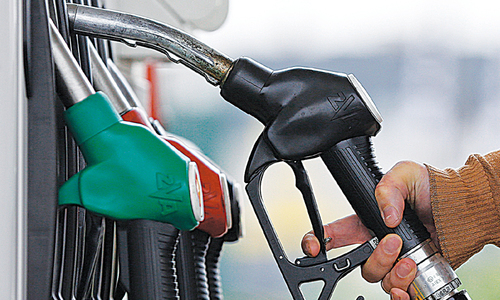
India is the world’s third-largest oil consumer, importing nearly 88–89% of its requirements. The closure of the Strait of Hormuz has disrupted routine supplies of petrol, diesel, and LPG. This has led to: Daily Losses: State-run oil marketing companies (OMCs) are incurring losses of approximately Rs 970,20,00,000 per day because they are buying crude at high global rates but selling at lower retail prices to protect consumers. Price Hikes: Moderate fuel price hikes (around Rs 5 per litre) are currently under discussion to prevent OMCs from collapsing, though experts suggest a Rs15–20 hike is technically required to offset the crisis.
The Gold Buying Moratorium
PM Modi has appealed to citizens to stop buying gold for weddings for one year. Why? Gold is a non-essential “discretionary” import. Unlike oil, which is vital for industry, gold consumes massive amounts of foreign exchange without contributing to productivity. Forex Impact: When millions of households buy gold simultaneously, it drains US dollar reserves, widens the Current Account Deficit (CAD), and weakens the Rupee (which recently touched Rs 2.40 per dollar). By pausing gold imports, the government hopes to conserve dollars to pay for essential energy and fertilizers.
Barriers to a US-Iran Peace Deal
A resolution remains elusive due to several high-stakes hurdles: Strait of Hormuz: The US demands the “complete and safe opening” of the waterway, while Iran views the US counter-blockade as an act of war. Nuclear Enrichment: The US (and Israel) demands “zero enrichment,” which Iran has flatly rejected as a violation of its sovereignty. Regime Stability: Following the death of Supreme Leader Ali Khamenei in February 2026 strikes, the internal power vacuum in Iran has made consistent negotiation difficult.
Government Prediction and Public Response
The Indian government predicts that the impasse on oil trade may persist for a long time, warning that “serious consequences are inevitable” if diplomacy fails. In response, the PM has urged a return to “COVID-era” habits: work-from-home, carpooling, and using the Metro. Public Reaction: The response is polarized. While many see it as a national duty, opposition leaders have criticized the move as a “failure of policy,” and families mid-way through wedding planning face a cultural and financial dilemma regarding the “gold ask”.
Seven Parameters of the 2026 Gulf Crisis ImpactEnergy Security: Disruptions in the Strait of Hormuz; 60% of LPG and massive crude imports at risk.
Forex Reserves: | Under pressure due to high oil prices; gold import pause aimed at saving dollars.
Fiscal Deficit: Widening as the government absorbs high fuel costs to prevent runaway inflation.
Diplomatic Strategy: India is mediating for de-escalation while diversifying imports to 41 countries.
Citizen Safety: Over 375,000 Indians evacuated; safety of 10 million workers in the Gulf is a priority.
Inflation: Expected to rise as logistics, FMCG goods, and fuel prices undergo calibrated hikes.
Self-Reliance: Rapid push for 20% ethanol blending and a Rs 70,000 crore “Made in India” shipbuilding plan.

Editor, Prime Post
Ravindra Seshu Amaravadi, is a senior journalist with 38 years of experience in Telugu, English news papers and electronic media. He worked in Udayam as a sub-editor and reporter. Later, he was associated with Andhra Pradesh Times, Gemini news, Deccan Chronicle, HMTV and The Hans India. Earlier, he was involved in the research work of All India Kisan Sabha on suicides of cotton farmers. In Deccan Chronicle, he exposed the problems of subabul and chilli farmers and malpractices that took place in various government departments.
Email: ravindraseshu7@gmail.com
Mobile: 9063718675