Prominent Leaders and Their Transition to Constructive Roles
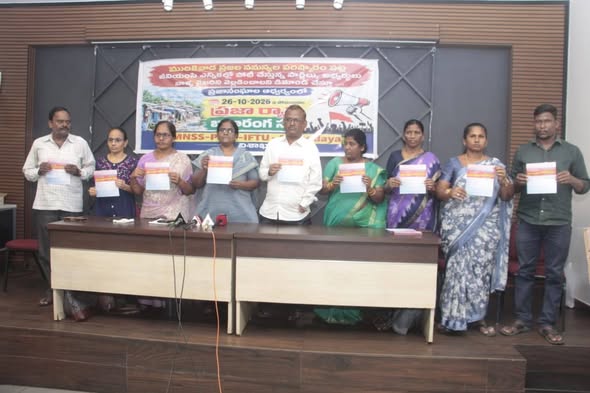
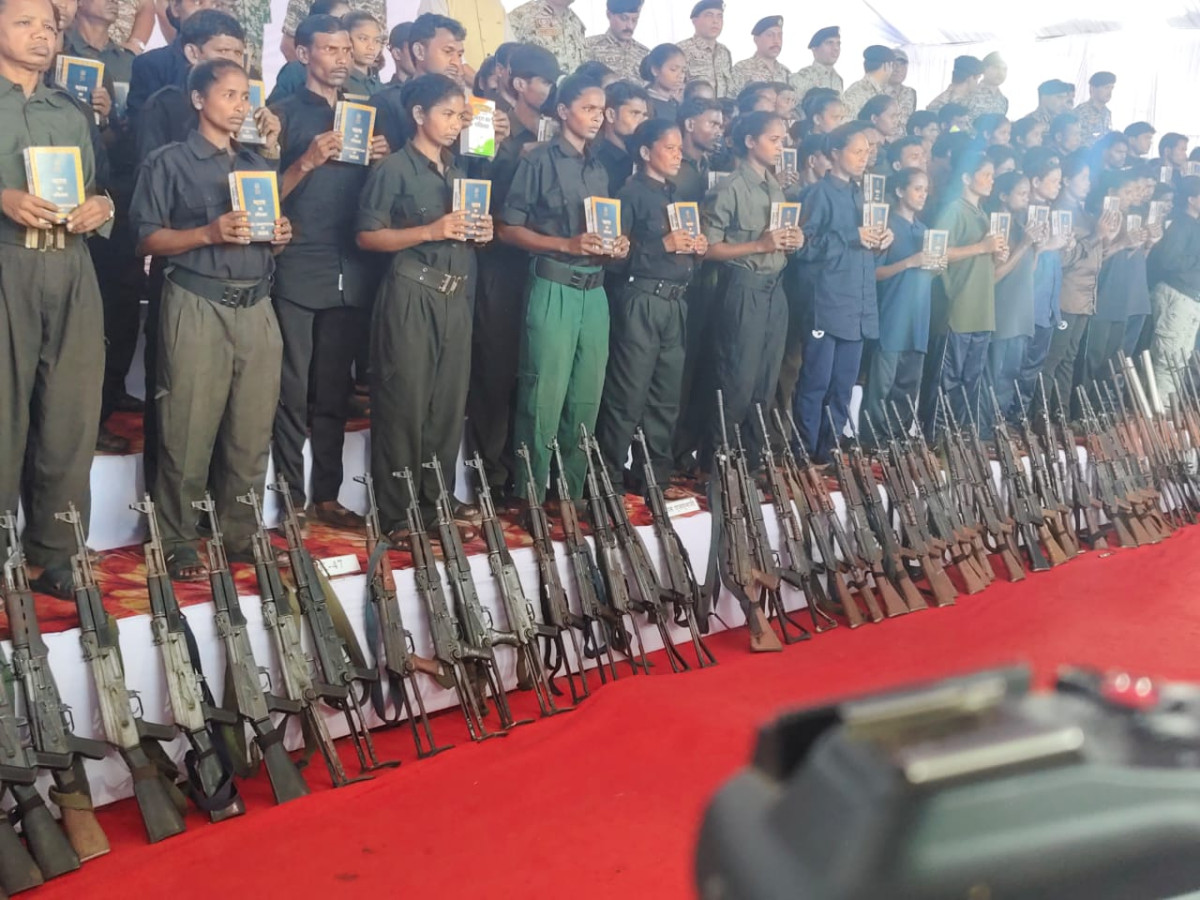
The transition of senior left-wing insurgent leaders from armed underground cadres to democratic mainstream lives marks a significant shift in India’s socio-political landscape. Men and women who once spent decades in dense forests directing armed rebel squads have increasingly laid down their weapons, choosing to integrate into constructive nation-building roles, public intellectual work, grassroots governance, and traditional professions. Some of these leaders appealed the government to lift sanctions on them and they will float a political party on the lines of democracy. They are settling down in their new trajectories.
Shifting Sentiments and Faith in Constitutional Frameworks
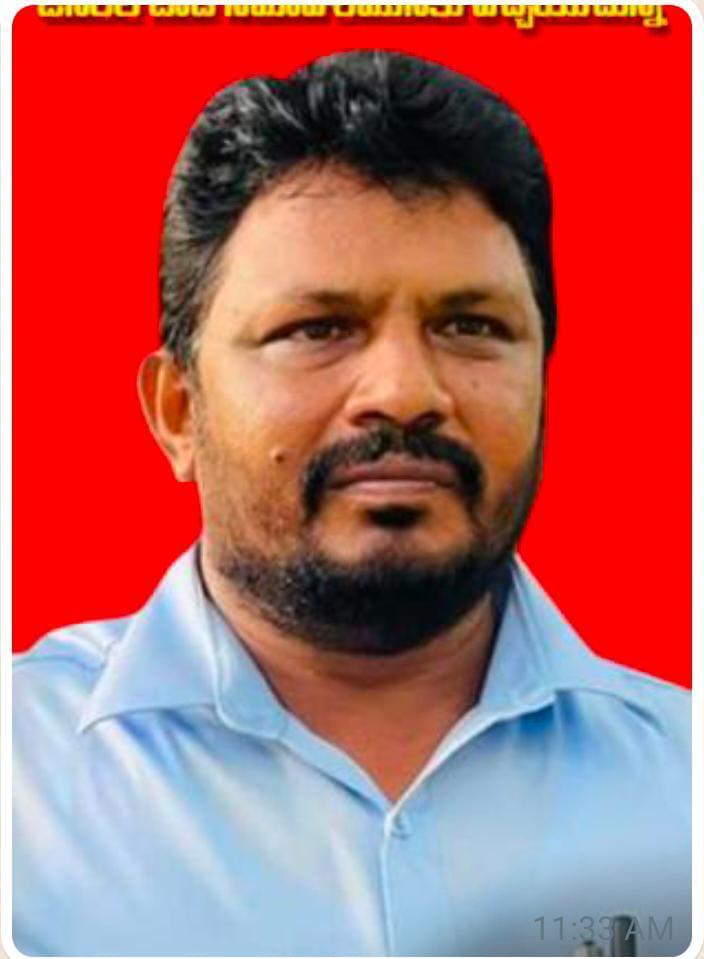
Mallojula Venugopala Rao alias Abhay, Bhupati, Sonu and Master, who is former CPI (Maoist) Politburo and Central Military Commission member, surrendered to the Maharashtra Police. Instead of joining the Maoists, he might have retired as a college lecturer. He now coordinates Gondwana University’s Ekal-Ekal Program, using his deep grassroots knowledge to help indigenous communities secure their rights under the Panchayats (Extension to Scheduled Areas) Act (PESA) and the Forest Rights Act (FRA).
Ginugu Narsimha Reddy alias Jampanna or JP and former Central Committee member who surrendered alongside his wife, Hinge Rajita has transitioned into an active writer and public commentator, regularly contributing analytical articles on socio-economic topics, governance, and democratic institutions across various media platforms.
Vimala Chandra Sidam alias Tarakka, a senior leader and wife of Venugopala Rao, who stepped away from armed struggle, focuses on community welfare, family reintegration, and social outreach for indigenous women. Many of the women Maoists turned as farmers by ploughing their family farm lands.
Ideological Evolution and Present Perspectives
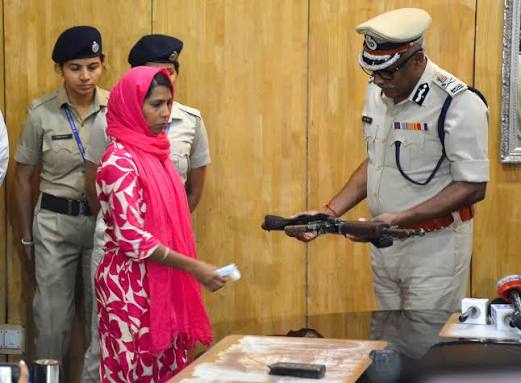
Recognition of Democratic Utility: Former commanders increasingly reflect that legal and statutory protections like PESA and the Forest Rights Act offer far more tangible progress for marginalized communities than decades of armed conflict.
Rejection of Prolonged Conflict: Most surrendered figures express disillusionment with the violence of the underground movement, acknowledging that persistent armed struggle ultimately stifled rural development and harmed local populations.
Commitment to Peaceful Nation Building: Moving away from anti-state resistance, these former leaders share a unified desire to apply their skills, voices, and field experience toward peaceful, constructive contributions within the democratic framework.
Shift in Perspective and Prevailing Sentiments
For decades, these leaders operated under the doctrine that armed conflict was the sole mechanism to resolve land, forest, and indigenous rights issues (Jal, Jungle, Jameen). However, their current reflections reveal a distinct evolution in thought:
Disillusionment with Violence
Most surrendered leaders express a strong realization that prolonged armed struggle often ends up harming the very tribal and agrarian communities it claims to protect, leading to endless violence and stagnant development.
Faith in Democratic Process
They now voice conviction in constitutional tools, statutory protections (like PESA and FRA), and institutional reform as the most effective means to secure social justice and economic self-reliance.
Desire for Nation Building
Many express a sense of relief and purpose in contributing directly through writing, agricultural work, academic collaboration, and social service. Rather than operating outside the state, their active choice to work within constitutional frameworks reflects an optimistic shift toward peaceful, constructive citizenship. Many of the former Maoists made up their mind and slowly settling down in different new fields of their families.
Editor, Prime Post
Ravindra Seshu Amaravadi, is a senior journalist with 38 years of experience in Telugu, English news papers and electronic media. He worked in Udayam as a sub-editor and reporter. Later, he was associated with Andhra Pradesh Times, Gemini news, Deccan Chronicle, HMTV and The Hans India. Earlier, he was involved in the research work of All India Kisan Sabha on suicides of cotton farmers. In Deccan Chronicle, he exposed the problems of subabul and chilli farmers and malpractices that took place in various government departments.
Email: ravindraseshu7@gmail.com
Mobile: 9063718675