Tactical Masterclass
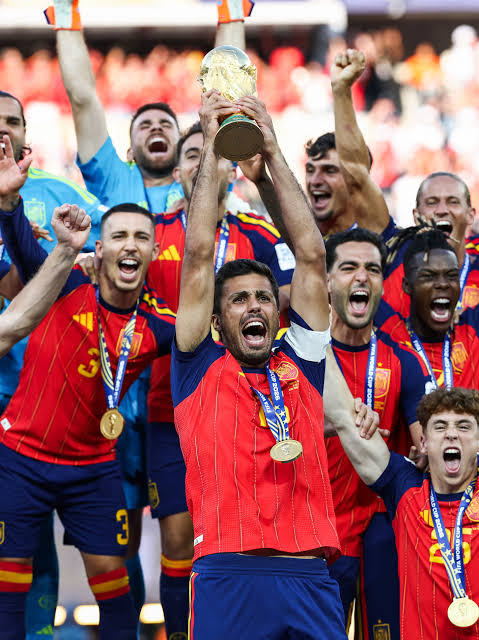
Spain’s win over Argentina in the 2026 FIFA World Cup final might look modest since the only goal scored has made the difference 1-0. But in practice, Spain smothered Argentines denying them the ball and spoiling any liquid movement. The star of the tournament Messi was helpless in the situation. So much so, the defending champions were playing for full 120 minutes, including the extra time, with zero shots on target. The Spanish players passed and pressed with gusto not giving any opportunity for Messi men to meaningfully play the game until deep into extra time.
106th-Minute Magic
Ferran Torres drove home Spain’s march to the summit with a rasping left-footer in the 106th minute. With adrenaline pumping, Ferran uprooted the corner flag with a giant kick and was mobbed by teammates in wild celebration. Andres Iniesta, the hero of Spain who made a goal in extra-time in 2010 to win the World Cup for the first time, seated with his 2010 teammates, came into the frame clapping and smiling. As a counterpoint to this montage stood Lionel Messi with his eyes downcast and shoulders hunched, somewhat detached resigned to the impending inevitability. It is impossible not to be reminded of Diego Maradona 36 years ago. ‘El Diego’ was inconsolable as the Germans walked up to receive the World Cup at the stadium in Rome after their 1-0 win over Argentina in the 1990 tournament. On Sunday, it was dismal 35% ball possession for the Argentines, the lowest for any team in a World Cup final – while it was 39% for Maradona’s team against Germany. Ferran Torres seemed like an Andreas Brehme from all those years ago putting the dragger through Argentine hearts in the extra-time.
Europe and Beyond
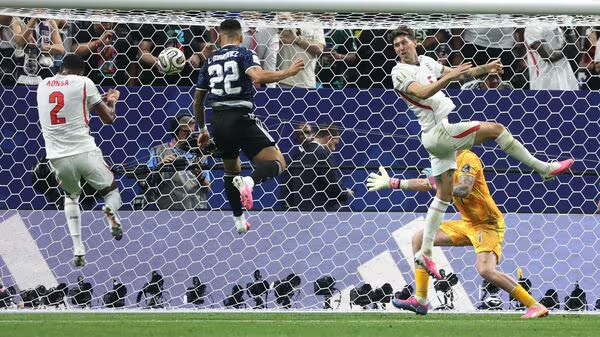
Nine years ago, Sunday’s hero Ferran Torres was in tears after the FIFA U-17 World Cup final in Kolkata. Spain had lost 2-5 to England after a 2 – goal lead. Torres wiped out those painful memories scoring the winning goal in New York. Having conquered Europe in 2024, Spain’s victory over Argentina completes a remarkable renaissance. Spain’s football identity had evolved rather than returned. Luis Aragones had earned the Spain their first continental trophy in 2008 after 44 years. Then Spain conquered the world in2010. The main reason for the glory was the possession – based approach to suffocate the opposition into submission. This decisive approach was evolved and refined by Aragones.
The Power of the Collective
Unlike other countries playing football, Spain considers no player as indispensable. Lamine Yamal dazzled. Rodri controlled. Pedri dictated tempo. Nico Williams stretched defences and Ferran Torres, a substitute, delivered the decisive goal. Yet none of them carried the burden alone. Thus, Spain’s collective efforts demolished the Argentine threat. The football World Cup ultimately belonged to a squad that did not revolve around a star as a team. No surprise squads hosting Messi or Ronaldo or Mbappe or Haaland did win the big prize. The world cup was won by Spain. Its performance against Argentina elevated to something close to perfection. 20 shots, 11 on target, 68% possession, and 803 completed passes at over 90 percent accuracy.
Institutional Brilliance Lifts Spain to the Top of the World
Many countries have a golden generation. Maybe Spain has achieved something rarer. It seems to have built a golden system: institutions, academies, companies, and cultural traditions that keep discovering talent and giving it room to flourish. Spain is now unbeaten in its last 38 games, the longest run by any European or South American team in history. In the last eight games, Spain has conceded only one goal in the tournament. Spanish goalkeeper Unai Simon made only ten saves throughout the tournament whereas Argentina’s goalkeeper Dibu Martizen had to make 11 saves in the final alone.
Strangely, the two countries which played the final were from two continents – Spain from Europe and Argentina from South America. But both countries speak Spanish. Barely half a century ago, Spain got rid of Franco’s dictatorship and built a modern democracy. It suffered financial crisis in 2008 that bred austerity and populism. Still, it remains one of the Europe’s best performing economies. People of that country lead happy lives. They enjoy universal public healthcare. The women football world cup was won by Spain. Now it was the turn of men. Spain is today the champion of women and men world cup.
The Machine Without Missing Pieces
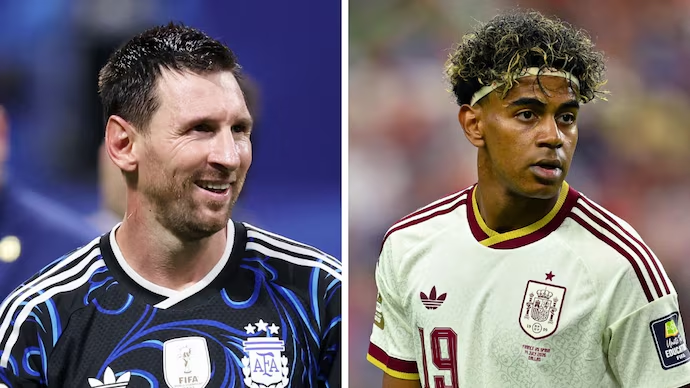
The second world cup won by Spain after 16 years (It won the cup for the first time in 2010 when its youngest stars Lamine Yamal or Pau Cubarsi were not old enough to watch) was a triumph of the collective. Spain’s captain and midfield leader Rodri retired in the middle of the final and was substituted by Martin Zubimendi, who did not play a single match in the tournament until then. Nothing changed for Spain. The players did not blink nor did they abandon their plan nor retreat to defence nor lose control over the match. If we take a look, we find Spaniards in most teams. At this world cup, three teams, besides Spain, were led by Spanish managers. Even the losing team, Argentina, had a coach Lionel Scaloni who earned his licence under Spanish instruction.
Rodri, named the tournament’s best player with the Golden Ball, indulged in relentless running passing and sharing the ball with teammates. Rodri completed more passes than anyone (753) and was involved in 1,803 plays, 200 more than anyone else. Kylian Mbappe kept the Golden Boot.
Argentina captain Lionel Messi bemoaned, “The pain is immense and it will take time for this wound to heal. But I also hold on to all the good. Today it’s hard to fully appreciate what we accomplished. But this group reached two straight finals.”
Prominent Journalist
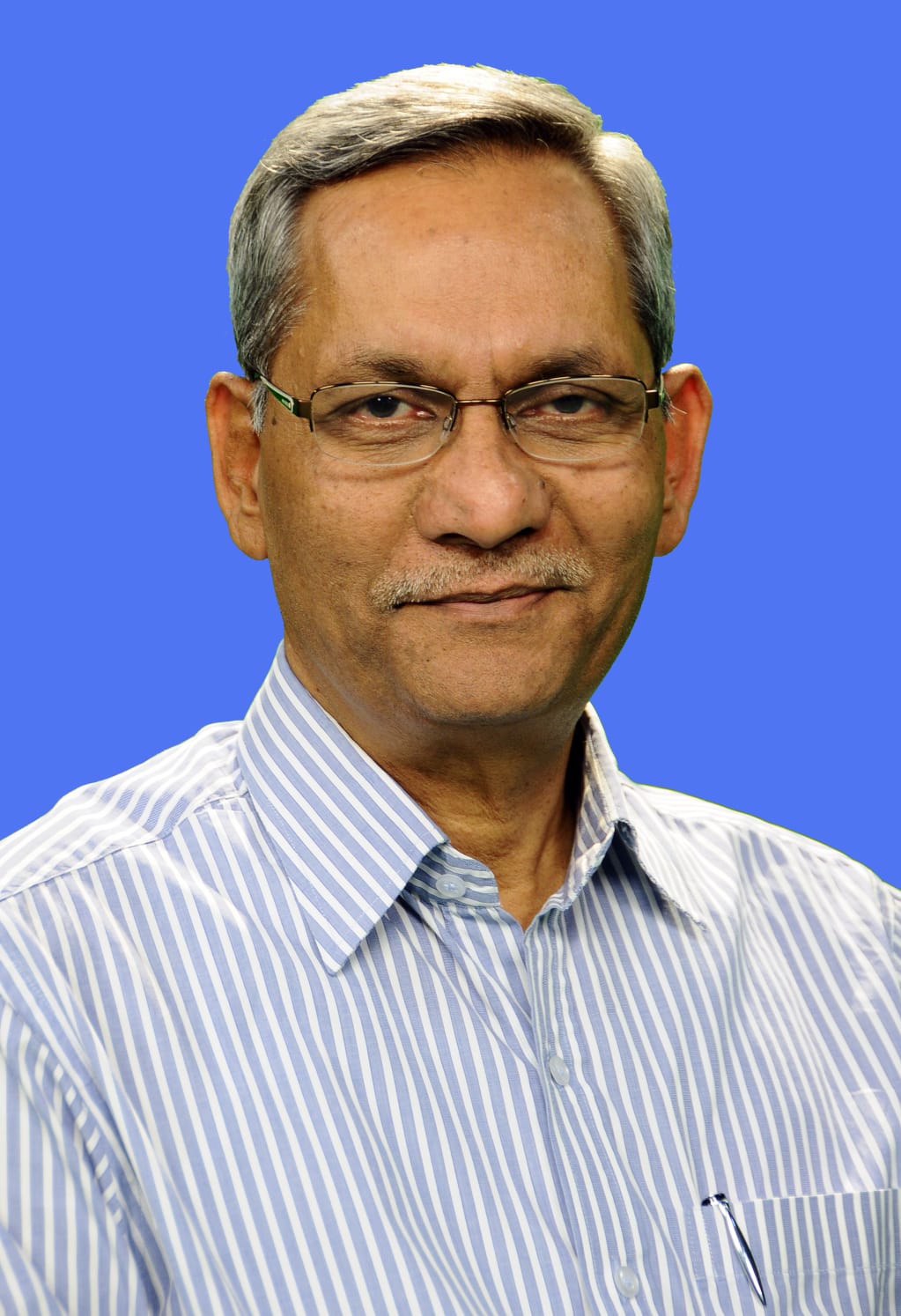
Dr. K. Ramachandra Murthy is a versatile journalist with a distinguished career. Dr. Murthy began his extensive career with Andhra Prabha of The Indian Express group in Bengaluru. He was editor of Udayam, Vaartha and Andhra Jyothy. Dr. Murthy founded and edited HMTV news channel and The Hans India, an English newspaper. He was also editorial director of the Telugu newspaper, Saakshi. He was awarded Ph. D for his research work in rural reporting. Dr. Murthy’s five decades in journalism showcases his influential roles across both print and electronic media. He wrote the political biography of NTR published by Harper Collins.
Email: murthykondubhatla@gmail.com
Mobile: 9908002211