The Institutional Legality and Limits of Dissent in the Election Commission
BJP spokesmen say it is common for the 3-member Election Commission to have differences among the commissioners. They dismissed the differences of Sukhbir Singh Sandhu and Vivek Joshi with the Chief Election Commissioner (CEC) Gyanesh Kumar as routine matter which had also happened in the past. There is a point in what the BJP spokesmen said. But the BJP’s defence of the EC is untenable. The ruling dispensation should take the prevailing unrest in the society into consideration. The common people take the right to vote very seriously. The NDA would want the crisis to be diffused rather escalate on an issue as crucial as the right to vote.
Balancing Judicial Precedent and Public Trust in Multi-Member Governance
In 1993, the PV Narasimha Rao’s government promulgated an ordinance to fix the number of the Election Commissioners (ECs) at two and appointed MS Gill and GVG Krishnamurthy with TN Seshan as the CEC. The then PM’s move was to curtail the authority of Seshan who was calling all the shots. He was telling in his interviews that he is answerable only to the people, parliament and the President and not to PM or government. He was right in what he said. Seshan had challenged the government’s decision in the Supreme Court. The government decision was upheld by the SC in 1995 and had approved the validity of multi-member poll panel. The apex court judgment vested the ECs with equal powers as the CEC and ruled that all the decisions must be made unanimously or by majority vote among the three.
Executive Influence and the Search for a Pliant Poll Body
In January 2009, then CEC N. Gopalaswami had written to the President seeking the removal of EC Navin Chawla citing a ‘lack of political neutrality.’ Instead of removing him, Vajpayee government had appointed Navin Chawla as the CEC on 21 April 2009. The issues that were coming up between the ECs were related to personal ego trips or their proximity to the powers that be. The governments, whichever the party in power, always wanted a pliant EC.
The 2023 Law: Executive Control, Legal Immunity, and Institutional Autonomy
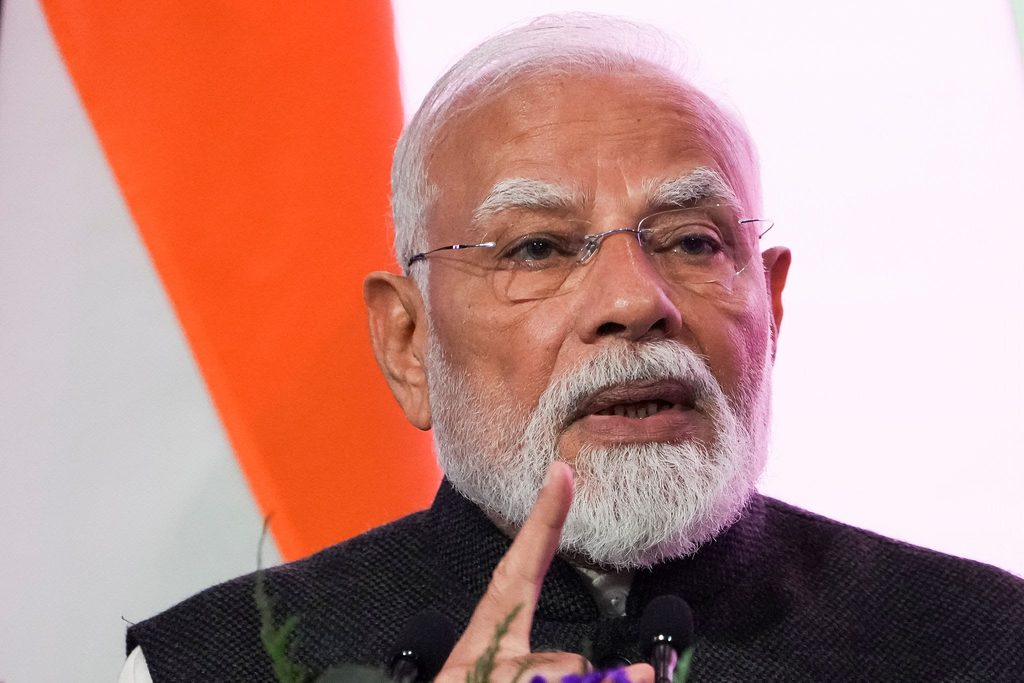
However, Modi government had gone further and brought in a new law in 2023 which made a lot of difference. The CJI (Chief Justice of India) was removed from the committee to select the ECs. The second change was more ironical. The ECs were given absolute immunity from legal proceedings for life. The ECs cannot be questioned at all for their action during their life time. This kind of immunity is not there for the President of Indian republic or the Prime Minister. When the BJP fell short of the majority in 2024 elections, the NDA government thought of changing the law to appoint the ECs of its choice. In the election campaign Prime Minister Narendra Modi kept asking the voters to give him more than 400 seats (char sou par) but the people thought otherwise. Then he must have thought that he should manage the elections in order to perpetuate himself. Even before that he got the Bill passed when majority of the opposition was suspended. There was no debate on the Bill which was passed by voice vote. The new law had done away with the CJI being one of three members of the committee to select the ECs beside the PM and the Opposition Leader. The new law says the selection committee would consist of the PM, a member of the Union Cabinet and the Leader of Opposition (LoP). The LoP becomes redundant as the decisions will be taken by the PM and his cabinet member which forms a majority.
Vindication of Reporting: De-escalation and Reconciliation in the Poll Panel
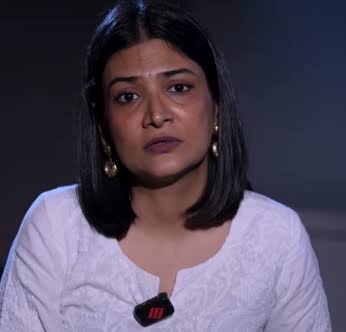
The Election Commission (EC) last Saturday held its first meeting since The Indian Express expose on the deep divide within the poll panel and glaring gaps in its processes. The EC’s note on its nine decisions along with a photo of the CEC flanked by the two ECs, Sandhu and Joshi, showed that they had made peace and were on the same page now. One should not forget that all the three ECs were handpicked by Modi-Shah duo. However, Sandhu and Joshi appear to have some moral rectitude. The nine points made in the press note released by the EC make it abundantly clear that the Indian Express report by Rikita Chopra was one hundred percent right. No single point in the report was contradicted or denied by the CEC. Even regarding the highly contentious Form 6, the changes made in the form by CEC without the knowledge of CEs, to which the latter had objected, have been subsequently dropped.
Judicial Casualness and the Burden on Voters: Justice Lokur’s Critique
Justice Madan Lokur in his interview to Karan Thapar of Wire on Wednesday commented that he was disappointed, dismayed and worried by the Supreme Court functioning. Putting the burden of proof on the voters is absolutely wrong. He also said the SC has to think carefully whether the SIR could be stopped. There are by-elections in West Bengal in two Assembly constituencies. When the CJI was asked to expedite the examination of some thousands of voters whether they can vote by advancing the date, the CJI Surya Kant has replied that they are only by-election. It is astonishing that the by-elections are taken by the CJI so casually. Justice Lokur has said it is unfortunate. The apex court is slated to take up the petitions soon where the petitioners are questioning the CEC’s conduct and seeking to declare the SIR illegal.
Opposition Mobilization and Demands for CEC Resignation
All eyes are now on the opposition and the Cockroach Janata Party (CJP) to press for the resignation of CEC. The CJP has already said it would launch Jantar Mantar 2.0 and organize protest in Mumbai on 2 October 2026. The Congress hash held protests in state capitals and other places across the country. The Congress Working Committee (CWC) met in Delhi on Tuesday and called for the resignation of Modi, Shah and Gyanesh Kumar. The opposition INDIA Block has met on Wednesday and decided to carry on the protests nationwide.
Uniting the Non-NDA Front: Paths to Peaceful Democratic Resistance
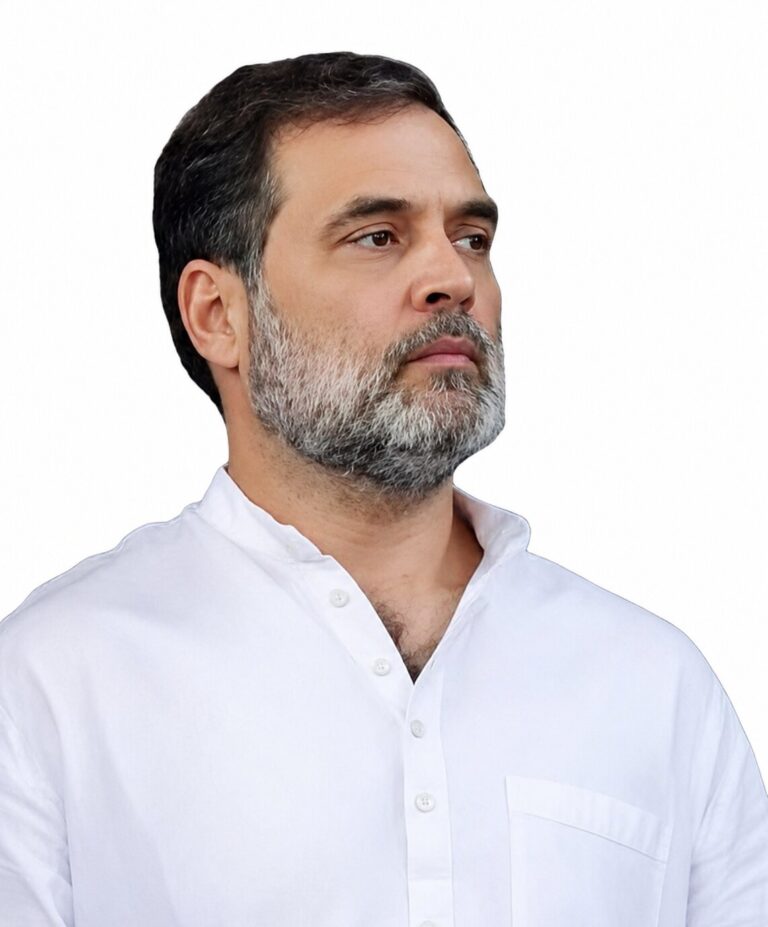
The position of the opposition is better today than ever in the last 12 years and more of Modi dispensation. The success of the agitation would by and large depend on the Congress which has to close its ranks in the Block and also get on board the other non-NDA parties like the DMK, AAP, BJD, BRS and YSRCP. It is an opportunity and challenge to Rahul Gandhi who has to unite the opposition and also deal with the CJP. Whatever the opposition does, it has to be peaceful and on Gandhian lines.
Prominent Journalist
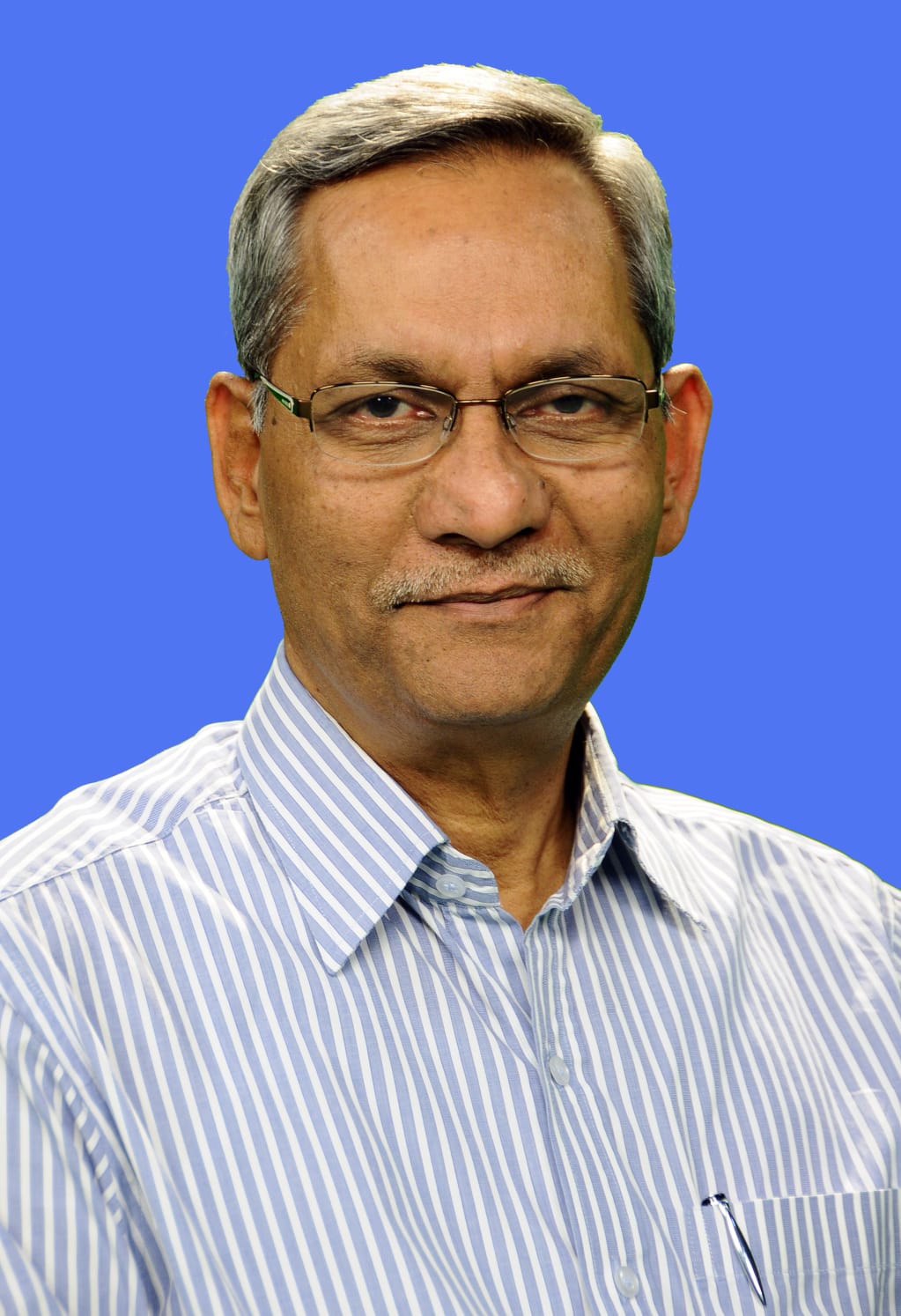
Dr. K. Ramachandra Murthy is a versatile journalist with a distinguished career. Dr. Murthy began his extensive career with Andhra Prabha of The Indian Express group in Bengaluru. He was editor of Udayam, Vaartha and Andhra Jyothy. Dr. Murthy founded and edited HMTV news channel and The Hans India, an English newspaper. He was also editorial director of the Telugu newspaper, Saakshi. He was awarded Ph. D for his research work in rural reporting. Dr. Murthy’s five decades in journalism showcases his influential roles across both print and electronic media. He wrote the political biography of NTR published by Harper Collins.
Email: murthykondubhatla@gmail.com
Mobile: 9908002211