Prelude
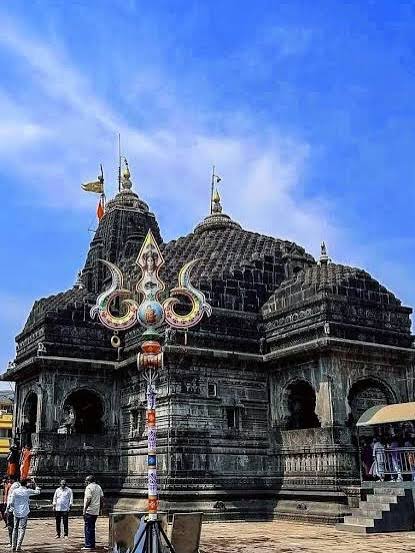
Trimbakeshwar is a unique stop on our spiritual map. It is located at the source of the Godavari River in Maharashtra. This place breaks the mould of what we expect from a Jyotirlinga. Most sacred spots focus only on Shiva. Here, the energy is shared. It is a place that celebrates the Trinity of Brahma, Vishnu, and Mahesh. It reminds us that the divine is a collective force and not a solitary one. It is a setting where nature and spirit do not just meet. They merge.
The story of this place centres on the sage Gautama. He lived a life of quiet integrity during a period of severe drought. His merit allowed him to provide food and water for the entire community. However, his success sparked jealousy among other sages.
They used their powers to send a mystical cow into his fields to bring him down. Gautama tried to gently shoo the animal away with a blade of grass. The cow was an illusion and it instantly fell dead. Killing a cow was considered a most heinous sin in those times. Gautama was devastated. He accepted the blame for this perceived cow slaughter. He was shunned by his peers. They told him he could only be purified if he brought the holy Ganga down from the heavens.
Gautama did not argue his innocence. He did not fight the conspiracy. He simply accepted the penance. He prayed with great intensity. Shiva eventually released the Ganga from his locks. The river emerged as the Gautami. Shiva realized the others had set a trap. He intended to punish them. Gautama asked for forgiveness for his detractors instead. Shiva was touched by this lack of ego and deep compassion. He stayed at the site as a Jyotirlinga. He embodied the Trinity to signify total purification.

History
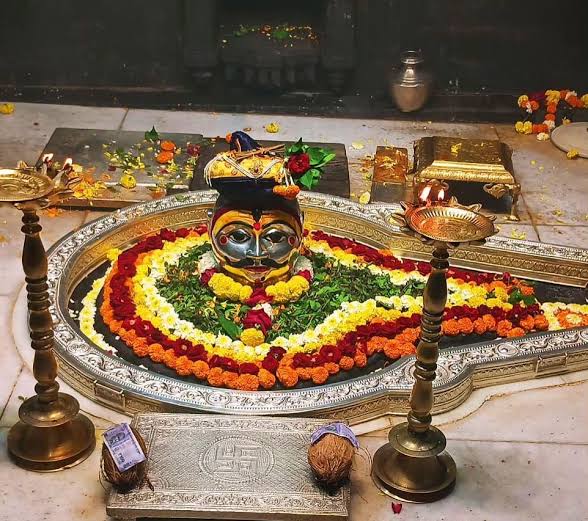
The current temple is a masterpiece of the 18th century. It was commissioned by Nana Saheb Peshwa. The structure is built from local black stone and reflects the Maratha architectural style. It features a spacious courtyard and a towering shikhara. The main attraction is a small depression in the floor. Inside, there are three thumb-sized Lingas representing the Trinity. A natural spring constantly bathes these stones. Beyond the stone, the land holds a deep philosophical history. It is the birthplace of the Nath tradition in Maharashtra. In the 13th century, a young boy named Nivruttinath was wandering the Brahmagiri hills with his family. A tiger suddenly attacked the group. In the chaos, Nivruttinath was separated and fled into a hidden cave. Inside that dark silence, he met the great yogi Gahaninath. The master saw the boy’s potential and initiated him into the lineage of secret wisdom.
Nivruttinath returned not just as a survivor, but as a realized soul. He later became the teacher for his younger brother, the famous Sant Dnyaneshwar. Together, they helped ignite the Bhakti movement. They broke the barriers of rigid tradition and brought spiritual knowledge to the common people by writing in their own language.
Deeper Meaning
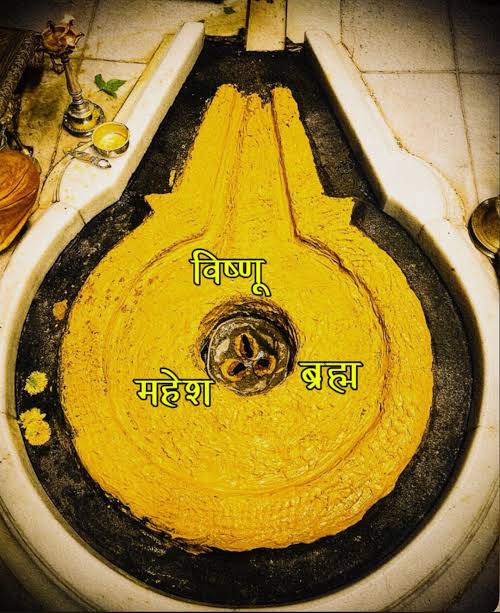
Trimbakeshwar offers two distinct lessons for our internal growth. The Lesson of Unity The three Lingas represent the Trinity. They show us that Brahma, Vishnu, and Mahesh work as one single unit. This is a powerful metaphor for our own lives. We are often forced to choose one identity. We think we must be only a creator, a protector, or a transformer.
Trimbakeshwar suggests a different way. It tells us that we are all three at once. If we focus only on starting new things, we never finish them. If we only try to protect what we have, we stop growing.
The role of the Transformer is often misunderstood. It is not just about destruction. It is about removing what is bad or unviable. It is like pruning a tree so the healthy branches can flourish. We must destroy old habits and dead ideas to sustain the things that actually matter. True balance comes from letting these three roles work together.
The architecture also holds a secret. The deity is placed below ground level in a small depression. This is a lesson in humility. It suggests that the highest truth is not always sitting on a pedestal. Often, the most profound answers are found by looking deep within ourselves. It is an invitation to go inward.
The Lesson of Legacy
The story of the two brothers adds a deeply human layer. Nivruttinath did not just seek his own peace in the cave. He was not interested in being a solitary saint. Instead, he recognized a rare genius in his younger brother, Dnyaneshwar. He chose to dedicate his life to guiding him.
This is a powerful reminder for the modern seeker. Our own growth is incomplete if we do not help others find their path. It is not enough to simply acquire knowledge. We must become a bridge. We have a responsibility to carry ancient wisdom across to the next generation.
This story also changes how we look at trouble. For Nivruttinath, a terrifying crisis of being chased by a tiger and getting lost became his moment of transformation. It shows us that getting lost is often the first step to being found. When we help someone else navigate their own dark cave, we solidify our own light. Legacy is not about what we leave behind. It is about who we help move forward.
Relevance to Modern Seeker
The modern seeker lives in a state of high pressure. We are told to be specialists. We are told to focus only on our own success. Trimbakeshwar offers a different perspective. It suggests that being multi-dimensional is our natural state. You do not have to choose between being a dreamer and a doer. You are both.
It also speaks to the fear of failure. We often see a crisis as the end of the road. The story of Gautama shows us that integrity can turn a false accusation into a source of new life. Similarly, the story of the brothers teaches us that a moment of being lost is usually a setup for a massive comeback. Whether you are facing a professional setback or a personal trial, these are opportunities to go deeper. They are invitations to find a new flow.
Real-Time Examples
• The Entrepreneurial Trinity: A successful business owner must play all three roles at once. They must be the creator who comes up with a new product. They must be the protector who manages the finances and keeps the team together. They must also be the transformer who decides when an old product is no longer viable and must be discontinued. Success happens only when these facets work together. If the owner only creates but never prunes the bad ideas, the business becomes cluttered and fails.
• The Workplace Mentor: Think of a senior leader who has already achieved success. Instead of retiring into their own peace, they spend their energy coaching a junior colleague. They are acting like Nivruttinath. They are ensuring the wisdom of the industry moves forward while maintaining their own professional growth. By investing in another person, they turn their personal success into a lasting legacy. They realize that their greatest achievement is not their own title but the growth of those they lead.
• The Career Transition: Imagine someone who loses their job in a dying industry. This crisis forces them to learn a new skill that they eventually love. Their moment of being lost in the cave led them to a much brighter light. They had to destroy their old professional identity to create a new one. This shows that a sudden ending is often the necessary space for a new beginning. What felt like a disaster was actually the catalyst for a more fulfilling life.
• The Silent Healer: Consider a person who is wrongly blamed for a mistake at work. Like Gautama, they do not become toxic or fight back with anger. They focus on doing excellent work and helping the team move forward. Eventually, their integrity brings a fresh spirit to the whole office. By choosing to stay calm and productive, they transform a negative environment into a space of trust and redemption.
Seeker Summary
Trimbakeshwar is a powerful reminder that we are never just one thing. We are a blend of creation, preservation, and the necessary act of pruning. In our modern lives, we often feel fractured by our many roles. This shrine teaches us that these roles are not in conflict. They are parts of a single, divine rhythm. When you feel the pressure to start something new or the pain of letting something go, remember the Trinity. It is all part of the same flow.
When life gets difficult, do not just look for a quick exit. Look for the cave that holds your transformation. Like Gautama, you may face unfair trials. Like Nivruttinath, you may feel lost in the dark. But these moments are not dead ends. They are the birthplaces of your greatest strength. Use your challenges to find your own internal Godavari. Remember that your life is not just about what you achieve for yourself. It is about the legacy you build and the people you help move forward. Spirituality is not about escaping reality. It is about finding the flow of grace in the middle of the struggle.
The Author Bio
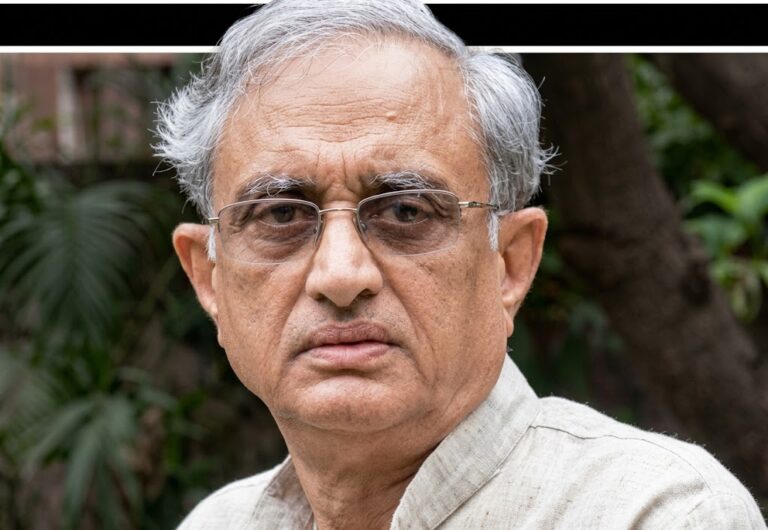
R Srinivasa Murthy, the author of the article, is a corporate leader, independent writer and is a student of Hindu philosophy. He is a Demystic, dedicated to stripping away unnecessary mysticism around traditions and practices to present a practical system for the next generation. His upcoming book, “Logic of And: Sanatana Dharma as a Toolkit for the Contemporary Seeker”, bridges the gap between ancient wisdom and modern life to build an inclusive and living civilization.

With a journalistic long journey, we bring you https://primepost.news, a dynamic platform committed to unraveling the intricate tapestry of Indian politics, particularly delving deep into the heart of Telangana and Andhra Pradesh. Our blog is not just a source of news; it’s a reservoir of insights, analysis, and thought-provoking reviews.




It ‘s very sacred place in one of jyothoriligaas I visited it in2007
Very true information about tradition, it will help us to give proper knowledge to our next generation.
So well written covering all aspects of the Jyotirlinga and its reflections in terms of our life lessons. Great treatise on practical philosophy.
So well written covering all aspects of the Jyotirlinga and its reflections in terms of our life lessons. Great treatise on practical philosophy. Hearty congratulations!
Excellent article, but nowadays finding Mentor’s like Nivruttinath is difficult. In Kaliyuga selflessness is like mirage as selfishness comes first.
This article is very informative and helps in refreshing the knowledge and belief in our culture.
The article also co-relates the actions to modern day work life,which can give direction to young minds for building a stronger nation.
Thanks
Great inspirational article, specially when compared with today’s corporate world taking the reference and relevance of ancient history different stages and challenges of life.
It gives immense motivation to face the challenges
Excellent 👍