Jyotirlinga Map: Paper 10
Prelude
The Bhimashankar Jyotirlinga sits tucked away in the Sahyadri mountains. It is a place where the air stays cool. The mist often hides the temple spires. When you walk through these dense forests, you feel a shift in energy. It is not just about a building made of stone. It is about the silence of the woods. It is about the roar of the Bhima River starting its long journey. This tenth paper looks at this shrine as a symbol of protection. It is a vital stop for anyone trying to find a balance between a wild world and a quiet mind.
Legend and Lore
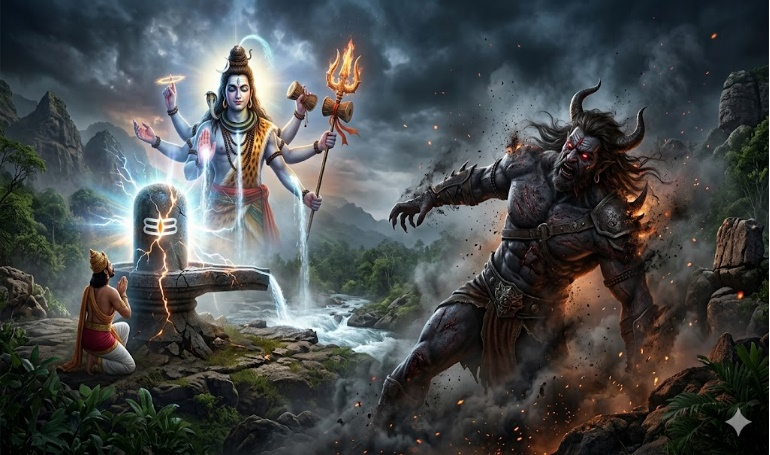
There are two main stories connected to this shrine. Both involve a battle between ego and grace. The most famous story is about a demon named Bhima. He was the son of Kumbhakarna. He did penance to Lord Brahma and got immense power. He used this power to bully everyone. He even threw a king named Sudakshin into a dungeon. This was because the king would not stop praying to Shiva. When Bhima tried to break the king’s Shiva Lingam with a sword, Lord Shiva appeared. The battle was fierce. Shiva reduced the demon to ashes. The sweat that poured from Shiva’s brow after the fight became the Bhima River.
There is another local legend about a woodcutter. Long ago, he was chopping a tree. His axe hit a rock. To his horror, blood started oozing from the stone. A local cow also began showering its milk on that very spot. The people realized this was no ordinary rock. It was a (Swayambhu) self-manifested Lingam. This story reminds us that the divine often hides in plain sight. It waits for a sharp moment to reveal itself.
History and Geography
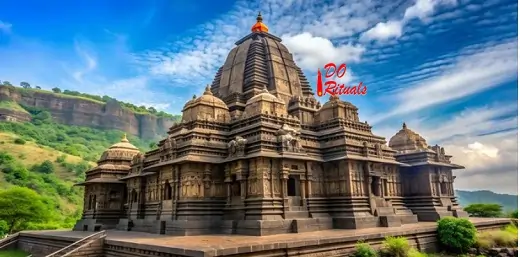
Bhimashankar is about 110 km from Pune. It is high up in the Western Ghats. The geography is as spiritual as the temple itself. It is a biodiversity hotspot. You might spot the Malabar Giant Squirrel here.
The temple is built in the Nagara style. It is old but much of it was repaired in the 18th century. Nana Phadnavis was a famous Maratha statesman. He was a regular visitor and patron. He built the temple spire.
A very interesting historical piece is the large bronze bell. It has a cross on it. This bell was a trophy. It was brought by Chimaji Appa. He took it from the Portuguese after the Battle of Vasai in 1739. It is a beautiful sight. A Christian bell rings in a Hindu temple. It marks a moment of history and pride.
Deeper Meaning
The story of the Bhima River starting from the sweat of Shiva is a big lesson. In our tradition, sweat means Shrama. This is honest effort. It comes from internal heat. We call this Tapasya.
The Heat of the Battle
Shiva did not win the fight with a magic trick. He fought a hard and tiring battle. This struggle made him sweat. Our lives are the same. We face our own demons like ego or anger. This fight feels hot and difficult. It is the sweat of the soul. It tells us that growth needs real work. Grace is not a free gift. It is the cool water that comes only after you stand in the fire.
From Sweat to Stream
The change from sweat to a river is beautiful. Sweat is salty and hot. But it becomes the Bhima River. This river is cool and gives life. This is a sign for every seeker. Your hardest work turns into a gift for others if your heart is right. Your daily sweat matters. It is the long hours at your desk. It is the hard work of being patient. This energy is never lost. If you stay calm, your work becomes a legacy. It is like a river where others can find peace.
The Shadow and the Pillar
The demon Bhima is the shadow self. This is the part of us that wants to control people. He was strong but his power was weak. It was built on anger. King Sudakshin was different. He was in a jail and looked weak. But he had a pillar of strength to hold on to. This was the Lingam. The Lingam is the steady centre of everything. When you focus on a high goal, you are never a prisoner. You connect to the source of power.
Relevance to Modern Seekers
Modern life is a busy forest. We often feel lost in the woods. We face many demons today. They are stress and toxic people. Bhimashankar has a message for us.
Standing Your Ground

King Sudakshin was in a dark jail. He was alone and scared. But he did not change his path. He stayed focused on his prayer. For us, the lesson is clear. You do not have to be loud to be strong. The world will try to pull you in many directions. True strength is staying quiet and steady. It is keeping your inner light bright even when the wind is strong.
The Value of the Grind
We often want results right away. We want the river without the sweat. But this shrine tells us that the struggle is part of the path. Your daily grind is holy. The effort you put into your work is like the battle with the demon. It is meant to be hard. This heat is what transforms you. Do not run away from the work. Embrace the Shrama (Effort).
Real-life Examples
The story of Bhimashankar is not just ancient history. We live these battles between the demon and the divine every day in our ordinary lives. Here is how struggle turns into grace.
The Ordinary Life Struggles
The Parent and the Temper Imagine a parent with a very stubborn child. At the end of a long day, the child throws a tantrum. The parent feels a huge surge of anger. This anger is the demon Bhima. It wants to shout and be loud. The parent feels the heat of the moment. Instead of shouting, the parent takes a deep breath. They stay calm and firm. This quiet effort is the sweat of Shiva. Over time, the child learns to feel safe and calm too. The deep bond and trust that grows in the family is the grace. It is a cool stream that started from one hot moment of patience.
The Student’s Integrity A student is struggling with a very hard subject. They see that many others are using AI to write their entire essay. The demon Bhima is the shortcut. It whispers that no one will know. The student chooses to do the research. They spend hours in the library. Their head aches and they feel tired. This is the heat of Shrama. When they finally understand the topic, they feel a deep sense of pride. That knowledge is their own Bhima River. It is a source of power that no one can take away because they earned it with their own sweat.
The Athlete’s Recovery Consider an athlete who has a bad injury. They are told they may never play again. The demon Bhima here is despair. It tells them to give up and be bitter. The struggle of daily physical therapy is very painful. It is slow and full of sweat. This is the fire of the battle. The athlete keeps showing up. They do the work even when it hurts. One day, they walk without pain. The new strength in their body and the resilience in their mind is the grace. It is a river of life that came from the heat of their recovery.
The Corporate Life Struggles
The Brave Salesperson- A salesperson needs to hit their target for the quarter. A client says they will only sign the deal if the salesperson pays them a small kickback. This is the demon Bhima. The peer pressure to just do it is high. Everyone is doing it. The salesperson says no. Losing the deal feels like the heat of the fire. They are like King Sudakshin. But the next month, a bigger client comes. They chose this company because they knew it was honest. The new business and the clear conscience are the grace. It is the cool river flowing from ethical sweat.
The Ethical Tech Leader- A tech lead finds a major bug just before a big software release. To fix it will delay the launch. The marketing team is shouting. The investors are waiting. This pressure is the demon Bhima. It tells the leader to just push the bad software and fix it later. The tech lead says no. They stop the release. They work for 48 hours with no sleep. This is the heat of Shrama. The release is two days late. But when it goes live, it is perfect. The trust of the users and the quality of the product is the grace. The team’s pride in their work is the river that will not dry up.
Seeker’s Summary
The Conflict: We all have a demon Bhima inside us. This is the ego. It is loud and full of anger.
The Goal: Find your steady centre in the middle of the mess. This is your fixed point.
The Action: Respect your own hard work. See your effort as a path to grace.
The Result: Your struggle will eventually become a source of peace for you and others. A river does not drink its own water. It flows to help a thirsty world.
Author Bio
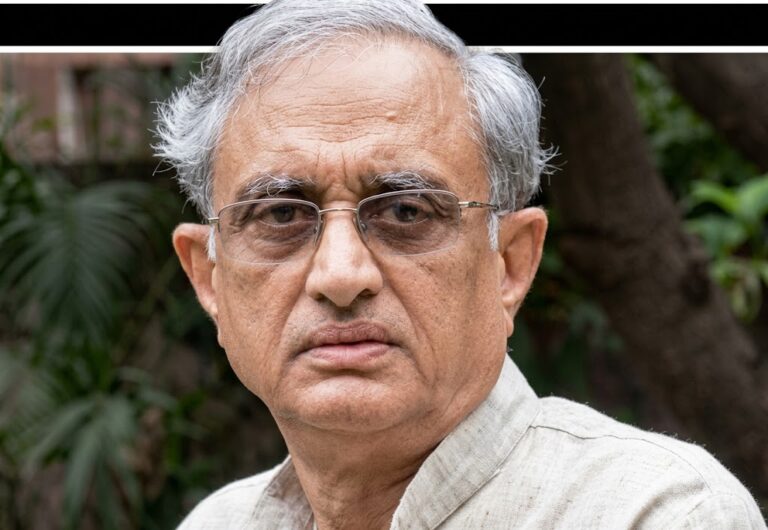
R Srinivasa Murthy, the author is a corporate leader, independent writer and is a student of Hindu philosophy. He is a Demystic, dedicated to stripping away unnecessary mysticism around traditions and practices to present a practical system for the next generation. His upcoming book, Logic of And: Sanatana Dharma as a Toolkit for the Contemporary Seeker, bridges the gap between ancient wisdom and modern life to build an inclusive and living civilisation.

With a journalistic long journey, we bring you https://primepost.news, a dynamic platform committed to unraveling the intricate tapestry of Indian politics, particularly delving deep into the heart of Telangana and Andhra Pradesh. Our blog is not just a source of news; it’s a reservoir of insights, analysis, and thought-provoking reviews.

A good read…
🙏 Om Namah Shivaya 🙏
Thank you Sir for sharing such a wonderful article on Bhimashankar Jyotirlinga – “Turning Struggle into Grace.”
It beautifully explains how faith, patience, and devotion can transform our struggles into strength and blessings. Lord Shiva’s message reminds us that every challenge has a purpose and with true belief, grace will always follow.
Har Har Mahadev 🙏✨
After reading the story of Bhima and Sudakshana, I realized I need to control the Bhima within me.
I want to stay calm at work and in my personal life.
When someone asks me something outside my responsibility, I often feel angry.
Instead of reacting, I will respond politely and with patience.
I will control my emotions, words, and replies in every situation.
A job (naukari) comes with responsibilities and boundaries, so I will follow them with a positive mindset.
Great lessons of life from Bhimashankar – (1) holding steadfast to what is real, great and permanent – the values and the almighty (2) the fruits of sweat are always sweet and perennial.
Effective demonstration. Thank you author!
Dear Sir,
Excellent article! You have beautifully connected the timeless spiritual wisdom and life lessons of Bhimashankar with the realities of modern everyday life. Every thought is deeply inspiring, thought-provoking, and encourages self-reflection. Thank you for sharing such a well-researched, meaningful, and heartfelt piece. I look forward to reading many more of your insightful articles.
Dear Sir,
Excellent article! You have beautifully connected the timeless spiritual wisdom and life lessons of Bhimashankar with the realities of modern everyday life. Every thought is deeply inspiring, thought-provoking, and encourages self-reflection. Thank you for sharing such a well-researched, meaningful, and heartfelt piece. I look forward to reading many more of your insightful articles. Best wishes!
Excellent article! You have beautifully connected the timeless spiritual wisdom and life lessons of Bhimashankar with the realities of modern everyday life. Every thought is deeply inspiring, thought-provoking, and encourages self-reflection. Thank you for sharing such a well-researched, meaningful, and heartfelt piece. I look forward to reading many more of your insightful articles. Best wishes!
Thanks and Fantastic sir for Explaining the honesty and that Results succeed through Divine and spiritual context.
Your Divine spiritual of Lord Shiva Feels which we are also induced to follow your ways and quotes in life.
Need more lessons sir to Reshape our remaining life in the Eternal world.
Thanks sir ❤️🎉👍.
I should follow your Spiritual ways in the future upto my God given permitted days and months in my Remaining life in the world.
Thanks and Fantastic sir for Explaining the honesty and that Results succeed through Divine and spiritual context.
Your Divine spiritual of Lord Shiva Feels which we are also induced to follow your ways and quotes in life.
Need more lessons sir to Reshape our remaining life in the Eternal world.
Thanks sir ❤️🎉👍.
I should follow your Spiritual ways in the future upto my God given permitted days and months in my Remaining life in the world.
Excellent read. Very informative and educative.
Excellent narration! The blend of history, spirituality, and life’s deeper message makes this article both informative and uplifting. Thank you for sharing such meaningful insights, Murthy garu.
Excellent narration! The blend of history, spirituality, and life’s deeper message makes this article both informative and meaningful. Thank you for sharing such meaningful insights, Murthy garu.