R.D. Burman’s Sonic Innovation and the Visionary Directors
How Salim-Javed and the “Angry Young Man” Defined a Restless Nation
The Anatomy of Emotion: Moral Fault Lines, Family Sagas, and the Eternal “Maa”
It is brilliantly right that 1970s is a golden era for Hindi cinema. The examples kile searing, morally complex conflict between Amitabh Bachchan and Shashi Kapoor in Deewaar, and the masterclass in understated, agonizing restraint between Dilip Kumar and Amitabh in Shakti—perfectly illustrate why this era remains unparalleled.
The 1970s are universally recognized as a Golden Era for Hindi cinema, but with a distinct flavor. If the 1950s was the “Classic Golden Era” of idealism and romance, the 1970s was the “Golden Era of Intensity, Innovation, and Reinvention.” It was a decade where the simmering socio-economic frustration of a nation met the explosive creative genius of writers, directors, musicians, and actors who tore down old tropes to build something immortal.
The Cinematic Renaissance: Why the 1970s Was Hindi Cinema’s Greatest Decade
The 1970s in India was a decade marked by political turbulence, unemployment, urban migration, and rising public disillusionment. Cinema did not merely offer escapism; it absorbed this societal anger and channeled it into high-stakes, deeply emotional storytelling.
The Revolutionary Scriptwriting (Salim-Javed)
Before the 1970s, writers were often treated as secondary entities in Bollywood. The duo of Salim Khan and Javed Akhtar changed the power dynamics forever. They introduced the “Angry Young Man” archetype—a flawed, anti-hero protagonist who bypassed a broken system to fight for justice. Their writing was structurally tight, character-driven, and perfectly synchronized with the changing societal times.
Iconic, Emotional Dialogues
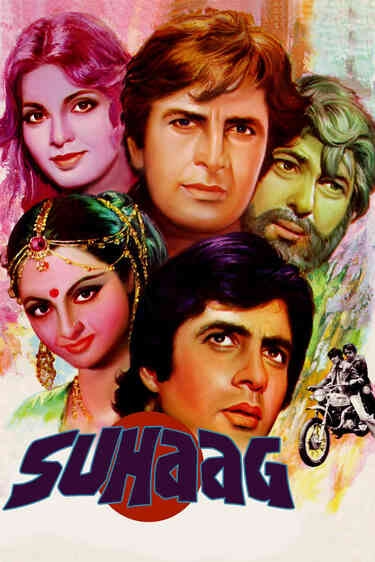
As you rightly pointed out, the dialogues of this era—particularly by Salim-Javed—were iconic not just because they were grand, but because they were rooted in deep, agonizing human emotions. They mastered the art of ideological confrontation:
The Brother vs. Brother Dynamic: In Deewaar (1975), the clash isn’t just between a criminal and a cop; it is a battle for the moral custody of the mother. The line “Mere paas Maa hai” became the ultimate triumph of virtue over materialism.
The Father vs. Son Strain: In Shakti (1982, written in the late 70s style), the dialogue you mentioned highlights how duty tears a family apart, yet the underlying affection remains painfully palpable.
The Musical Revolution of R.D. Burman
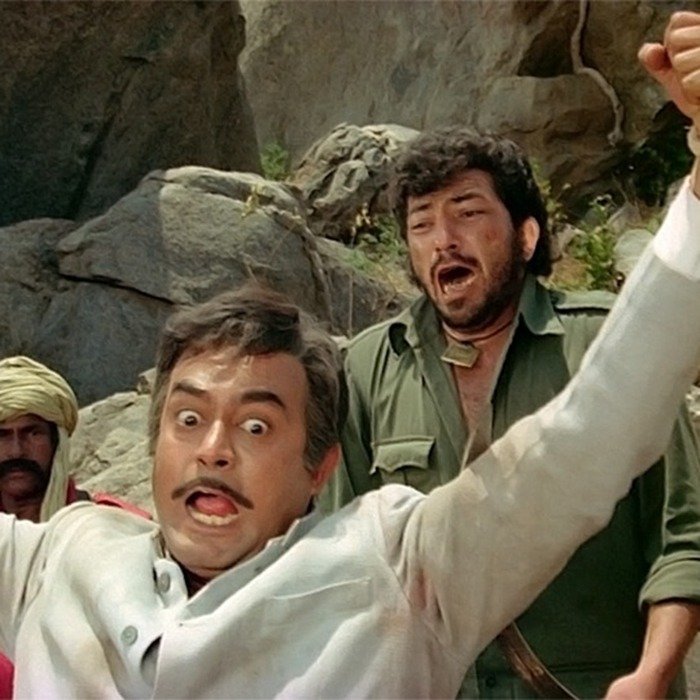
Rahul Dev Burman (Pancham Da) single-handedly redefined the soundscape of Indian cinema. He moved away from traditional orchestration to introduce innovative background scores and genres—blending rock, jazz, funk, and Afro-beats with Indian classical roots. Whether it was the haunting background whistle in Sholay, the brass horn arrangements, or utilizing objects like beer bottles and saucers to create unique percussion rhythms, R.D. Burman made music an active narrator in the story.
Directorial Visionaries
The decade saw a perfect harmony between commercial viability and cinematic excellence, led by directors who knew how to mount massive emotional dramas:
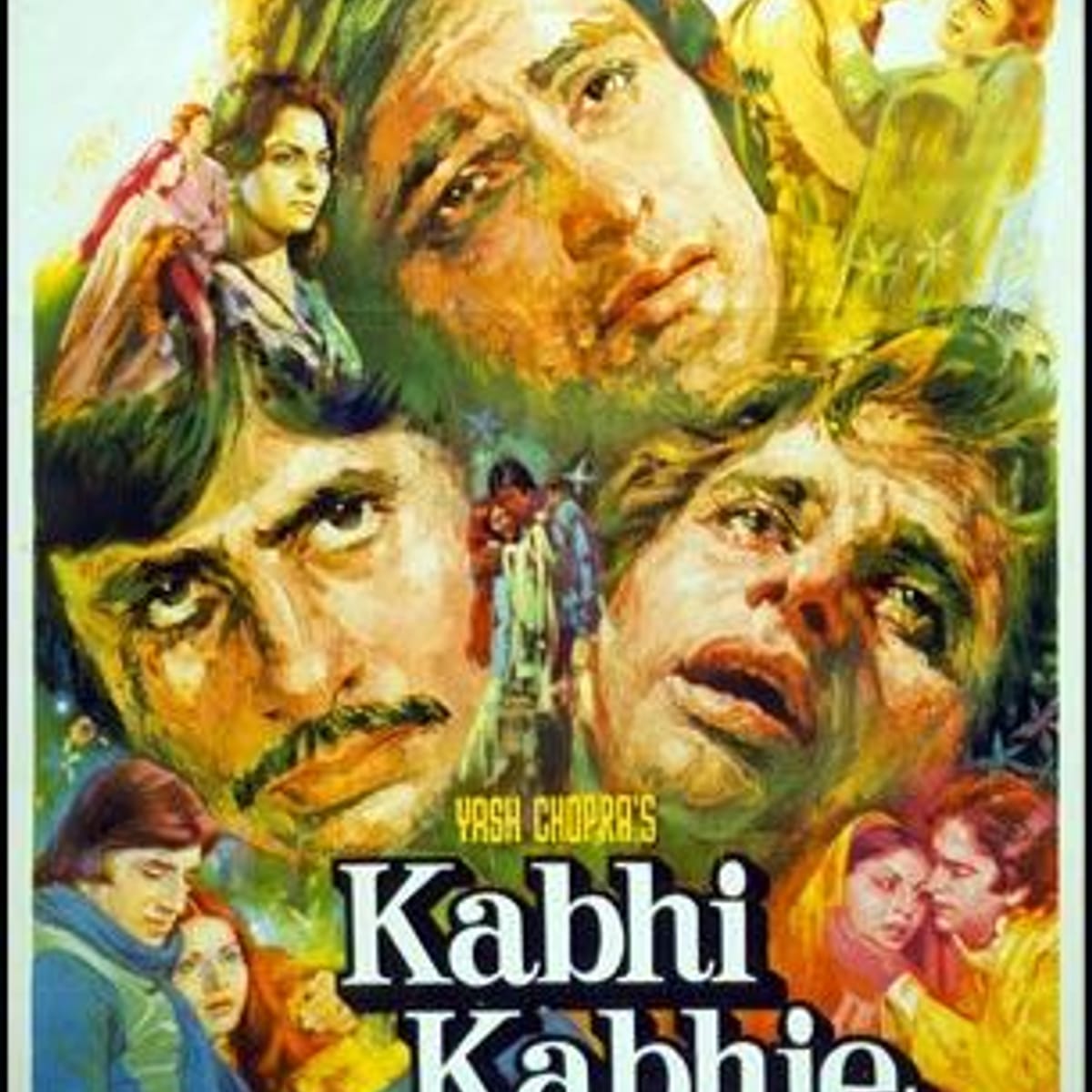
Yash Chopra: The king of intense human relationships, who gave us the gritty urban realism of Deewaar and Trishul, alongside the poetic romance of Kabhi Kabhie.
Ramesh Sippy: The visionary behind Sholay, who revolutionized action, multi-starrer pacing, and technical scale in Indian cinema.
Prakash Mehra & Manmohan Desai: Masters of the masala genre, who perfected the lost-and-found tropes, high action, and wholesome entertainment (Zanjeer, Amar Akbar Anthony).
Hrishikesh Mukherjee: Balanced the intense commercial cinema with his “middle-of-the-road” gentle, realistic masterpieces like Anand and Chupke Chupke.
The Rise of the Ultimate Archetype: Amitabh Bachchan
The 1970s belongs undeniably to Amitabh Bachchan. He became the vessel for the nation’s collective angst. His ability to portray simmering, silent rage, intense vulnerability, and unmatched intense dialogue delivery made him a phenomenon. His performance in Zanjeer, Deewaar, Sholay, Majboor, and Don redefined stardom, allowing a protagonist to be brooding, dark, and morally gray yet intensely lovable.
The Perfect Ensemble and Co-Stars
While Bachchan was the anchor, the success of these films relied heavily on a brilliant galaxy of actors who provided the perfect emotional counter-balance:
Dilip Kumar: The ultimate institution of acting, whose face-off with Bachchan in Shakti remains the gold standard of dramatic acting.
Shashi Kapoor: The perfect foil to Bachchan’s raging volcano. Shashi Kapoor brought grace, moral righteousness, and immense emotional weight to films like Deewaar, Trishul, and Kabhie Kabhie.
Dharmendra, Vinod Khanna, and Rishi Kapoor: Provided the stellar star power that made the “multi-starrer” era of the 70s incredibly lucrative and entertaining.
Legendary Playback Singers
The music of the 70s achieved immortality because of the vocal powerhouses behind it. Kishore Kumar became the defining voice of the decade, effortlessly switching from the high-energy, youthful tunes of R.D. Burman to deeply melancholic tracks. Alongside him, Lata Mangeshkar, Asha Bhosle, and Mohammed Rafi continued to deliver flawless renditions that gave these massive emotional dramas their lasting soul.
The Poetry of the Lyricists
The lyricists of the 1970s acted as the philosophers of the era. Masters like Sahir Ludhianvi, Anand Bakshi, and Majrooh Sultanpuri wrote verses that were deeply profound yet accessible to the common man. Sahir’s cynical, hard-hitting poetry in Trishul or his romantic idealism in Kabhi Kabhie provided the literary backbone that elevated commercial cinema into art.
Technological Advancement and Grand Action
The 1970s saw a massive leap in film technology and action choreography. Sholay introduced 70mm widescreen format and Stereophonic Sound to Indian audiences. Action directors (then called stunt masters) began choreographing elaborate car chases, rooftop fights, and explosive gun battles that matched the intensity of Hollywood westerns and crime dramas, making the theatre experience grand and unforgettable.
Cultural Longevity and Universal Themes
The ultimate test of a golden era is its timelessness. The films of the 1970s built their narratives on universal human conflicts: duty vs. love, wealth vs. righteousness, and the unbreakable bond of family. Because these themes were rooted in core human truths, the pop culture of the 70s—its dialogues, its music, its style—remains heavily referenced, remixed, and revered even today, more than half a century later.
The cinematic landscape of the 1970s was anchored by a series of landmark films that redefined Indian storytelling, beginning with Prakash Mehra’s Zanjeer (1973), written by Salim-Javed with music by Kalyanji-Anandji, which birthed the iconic “Angry Young Man” archetype and permanently pivoted Bollywood away from soft romance. This paved the way for Yash Chopra’s Deewaar (1975), a masterclass in urban crime drama written by Salim-Javed and scored by R. D. Burman, which immortalized the agonizing moral clash between two brothers and their mother. That very same year, Ramesh Sippy’s Sholay (1975)—penned by Salim-Javed with an innovative, legendary background score by R. D. Burman—emerged as India’s greatest cinematic epic, forever transforming action choreography, ensemble casting, and box-office history.
The decade also celebrated pure, kinetic joy through Manmohan Desai’s Amar Akbar Anthony (1977), featuring sharp dialogues by Kader Khan and a vibrant score by Laxmikant-Pyarelal, which set the gold standard for the secular, multi-starrer, lost-and-found masala genre. Finally, Yash Chopra’s Trishul (1978), another brilliant Salim-Javed screenplay set to Khayyam’s soulful music, delivered a tense, unforgettable drama of an illegitimate son waging a cold, calculated war of revenge against his father, cementing the era’s unmatched ability to blend high-stakes drama with profound human relationships.

Principal Correspondent, Prime Post
Vidya Sagar Chaturvedula is a passionate film enthusiast whose four-decade career spans multiple sectors, including media and industry. Fluent in Telugu, Hindi, and English, he has a deep appreciation for cinema, particularly films in those three languages. His passion goes beyond simple viewing; he enjoys analyzing directional skill, the emotional depth of actors’ performances, and the profound meaning embedded in dialogue. Mr. Sagar is known for his ability to clearly articulate and narrate his insightful film analyses after watching a movie.
Email: sagar.chaturvedula@gmail.com
Mobile: 9030702917

Sir your Review is totally superb
God has given u full encouragement
to persuade to go ahead. With Review very nice.All the movie s are superb entertainment
House hold movie s
Enjoy ed by one and ALL
Keep it up sir.
Good and nice description about the legends of Hindi cinima. Keep it up.
Brilliant review. It is true that in the 1970s, great movies were made, and the music and songs were most melodious.
Good review 👍
విద్యాసాగర్!70నుండి 80లోపు సినిమాలు అన్ని చాలా గొప్పగా అర్ధయుక్తంగా గ్రేటెష్ట్ నటులతో నటింపచేసిన బ్రిలియంట్ నిర్మాతలు ,సంభాషణలు అందరూ చూడతగ్గట్టుగా ఎన్నో సినిమాలు ,సంగీతదర్శకులు బ్రిలియంట్ సింగర్స్ మంచి మంచిపాటలు (షోలే అమర్ అక్బర్ ఏంథోనీ జంజీర్ ఇలా ఎన్నో అలాగే గాయకులు లతా ఆశా రఫీ కిషోర్ ,అలాంటి గాయకులు పాడినవి మంచి హిట్సాంగ్స్)ఇలాటి సెవంటీస్ లో నీవు సమీకరణ సేకరించడం చాలా అద్భుతం చాలా సంతోషం Very Brilliant review
1970 golden era was a transformative period defined by post independence optimism. 1970s transformed hindi cinema into a cultural power house introducing iconic angry young man persona and the legendary salim javed duo screen play. The golden decade birthed timeless blockbusters like Sholay, deewar, and bobby, blending raw action, social realism, and unforgettable music. Nice review.
1970s a golden era and super movies like sholay, deewar, bobbr, yafhonko barat released diring the period. Actors Amitabachan, sanjeevkumar, dharmendra performance was at peak. Music is also unforgettable. One more is salim javed screen play. Truly a golden era. Good review.
1970s a golden era and super movies like sholay, deewar, bobby, yafhonko barat released diring the period. Actors Amitabachan, sanjeevkumar, dharmendra performance was at peak. Music is also unforgettable. One more is salim javed screen play. Truly a golden era. Good review.
The movie content of the 70s was mainly masala content. Dishum dishum fights with some karate thrown. Music moved out of classical style to the dominant boom boom of bass speakers. Romance went into the streets and public gardens.
All of which became the starting button to the loss of Indian culture rich stories and poems, and societal moral decency. The starcast interest only in big money did all that was asked of them turning a blind eye to the degenerative product of the evolving movie scenario