- The Hormuz Dilemma: 88% of India’s Oil at Risk
India’s External Affairs Minister Dr. S Jaishankar has betrayed his narrow outlook and arrogance when he described Pakistan as a ‘broker’ in peace -making efforts in West Asia. It would have been great had he said he would wish Pakistan to succeed in establishing peace and stability in West Asia since that is what India also wants. India of late did not try to work for peace in the West Asia as its relations with the US and Iran have not been very strong. Modi’s visit to Israel and the way he spoke in Parliament just two days before the war started on 28 February 2026 has not been received well by Iran. The US President Donald Trump has been particularly unfriendly in his rhetoric and decisions regarding India in his second term. India’s oil imports have to mainly pass through the Strait of Hormuz and the oil prices have been going up adversely affecting India. 88 percent of Indian crude oil imports have to pass through the straits.
India’s Strategic Constraints
More than 90 lakh Indians live across the gulf countries and their remittance to India annually is about 50 billion dollars. End of the ongoing war and return of the peace to West Asia is essential for India. Which country is mediating between Iran and the US should not really bother India. We should not see the developments in the world through the prism of India-Pakistan rivalry. Pakistan is as much interested, if not more, in West Asia as India with huge financial assistance coming from Arab countries.
The Shift in Mediation
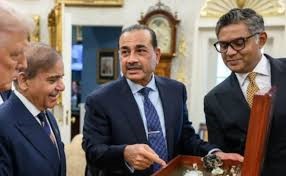
Pakistan is placed in a better position than India at present. About two years ago, Pakistan was not very friendly with the US. But the second term of Donald Trump started with pampering Pakistan partly for strategic reasons and his own personal commitmets. Trump had invited Pakistan Chief of Army Staff General Asim Munir to White House for lunch. It was the first time for a Pakistan chief of army to visit White House on an invitation by the President and to have a one-on-one lunch with him. Subsequently Pakistan Prime Minister Shehbaz Sharif also visited the White House. Now the US and Pakistan are very close. Pakistan has been having good relations with Saudi Arabia and Iran as well.
Preparatory Talks
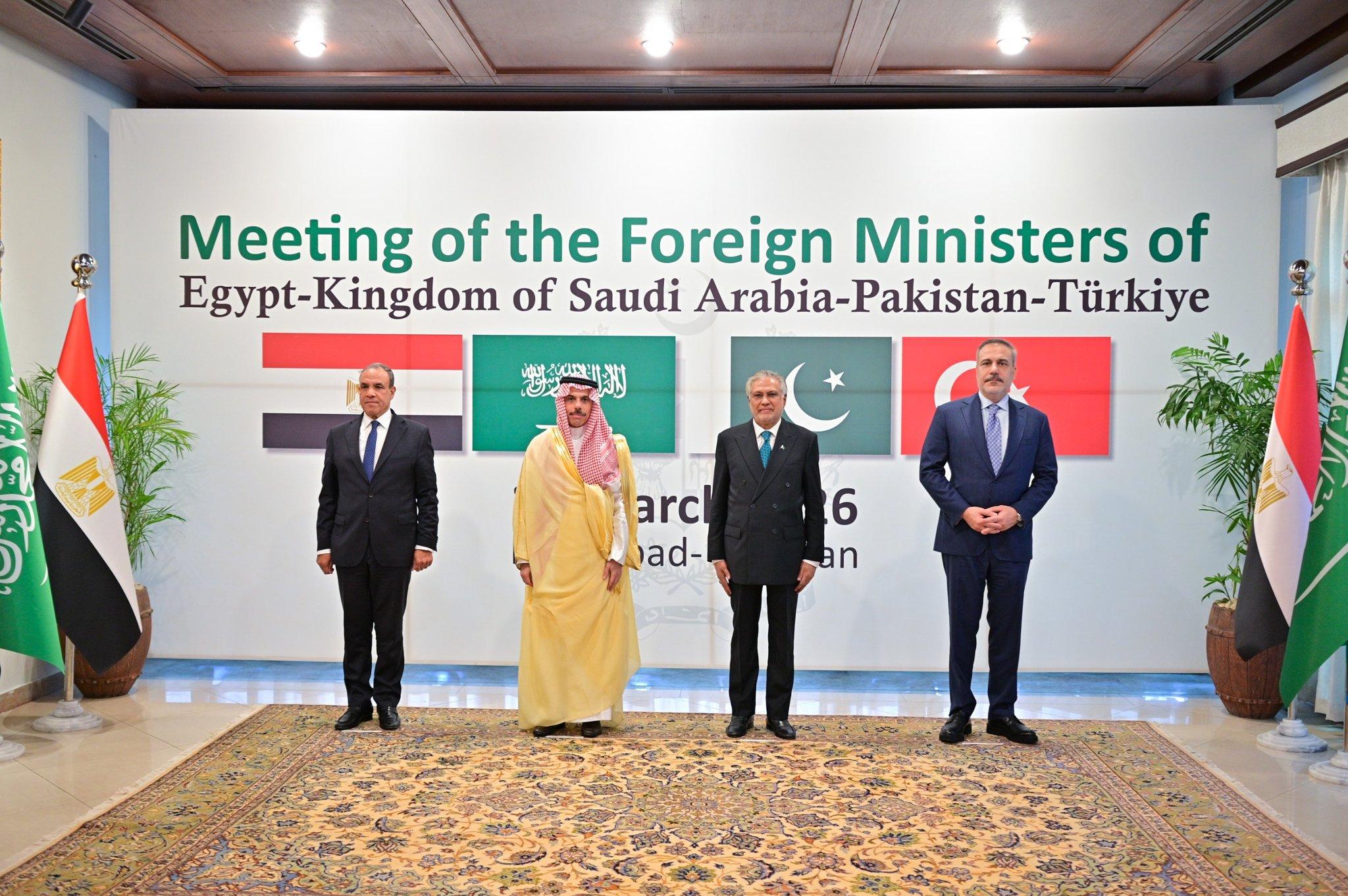
The foreign ministers of Saudi Arabia, Turkey and Egypt have participated in talks in Islamabad on Sunday. These are preparatory talks to understand the situation in the region and also to plan for wider discussions between Iran and American representatives. Vice President of America JD Vance is ready to go to Pakistan. He is confident that the US will soon get out of Iran and the oil prices will come down. Pakistan has a limitation here in the sense that it has no diplomatic relations with Israel. But it can arrange a bilateral discussion between the US and Iran. Pak PM Shehbaz Sharif told his guests that he had an extensive conversation with Iran President Masoud Pezeshkian on the hostilities in the region.
The Trump Factor & Regional Realignment
It is an undeniable fact, whether we like it or not, that Pakistan has taken a centre stage in global geopolitics as it emerged as a country which can organize direct talks between the US and Iran. It is true that Pakistan is a poor country bogged down with disputes with neighbouring India and Afghanistan. But it also true that it is the only Muslim country that has nuclear arms, maintaining good relations with all the Muslim countries. It has also very good relations with China and Russia with excellent ties with the US at present. It has an extensive border with Iran. However, its close ties with Saudi Arabia might not be to Iran’s liking. But Iran has been dealing with Pakistan as a friendly country. The 15-point US proposal was sent to Iran through Pakistan and Iran has responded to it by rejecting the proposal and forwarding five pre-conditions for talks. It means Pakistan’s mediation between the US and Iran has already begun in an informal way.
Iran has declared that it would allow ships belonging to friendly countries like China, India, Russia and Pakistan. In spite of India not condemning the assassination of its supreme leader Ayatollah Ali Khamenei and half a dozen top leaders, the killing of sailors on the Iran ship which was returning after completing friendly exercise with Indian navy, Iran is treating India as a friendly country. India should have condemned the assassination of Khamenei, the killing of school children and the sailors. There were days when India did not vehemently condemn the occupation of Hungary and Czekhoslovakia by Soviet Union in 1956 and 1968, Afghanistan in 1979.
It is a fact that India has been claiming to be a non-aligned country although it was aligned to the Soviet Union during the cold war. Though India did not condemn the Soviet occupation, it had expressed its regrets in its own way. India this time did not even do such a thing. But Prime Minister Narendra Modi had spoken to Iranian President. The relationship with Iran has not broken. It is thriving.
It is not a zero-sum game. Pakistan’s gain may not be India’s loss. Like Pakistan, India has very good friends in West Asia. India-Middle East (West Asia)-Europe Economic Corridor can give India a lot of dividends after peace and stability return to West Asia. Our economic stakes in West Asia are much higher than that of Pakistan. The less Indian foreign minister comments on Pakistan diplomacy, the better for India. Pakistan might succeed or fail in its attempts to bring about peace. Calling it a broker is in bad taste.
Prominent Journalist
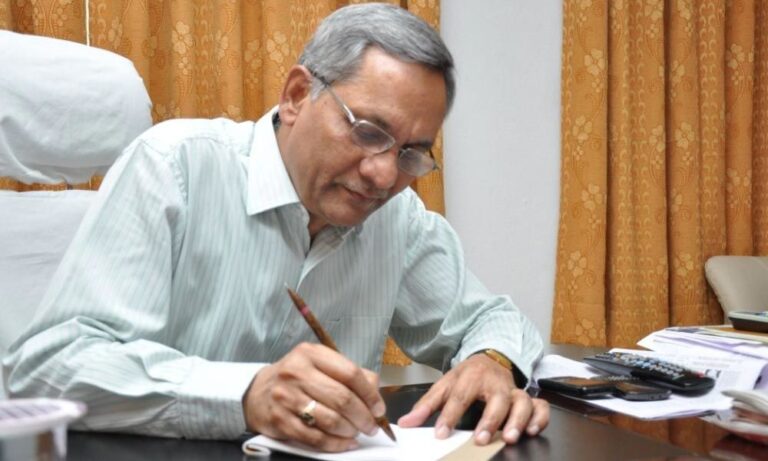
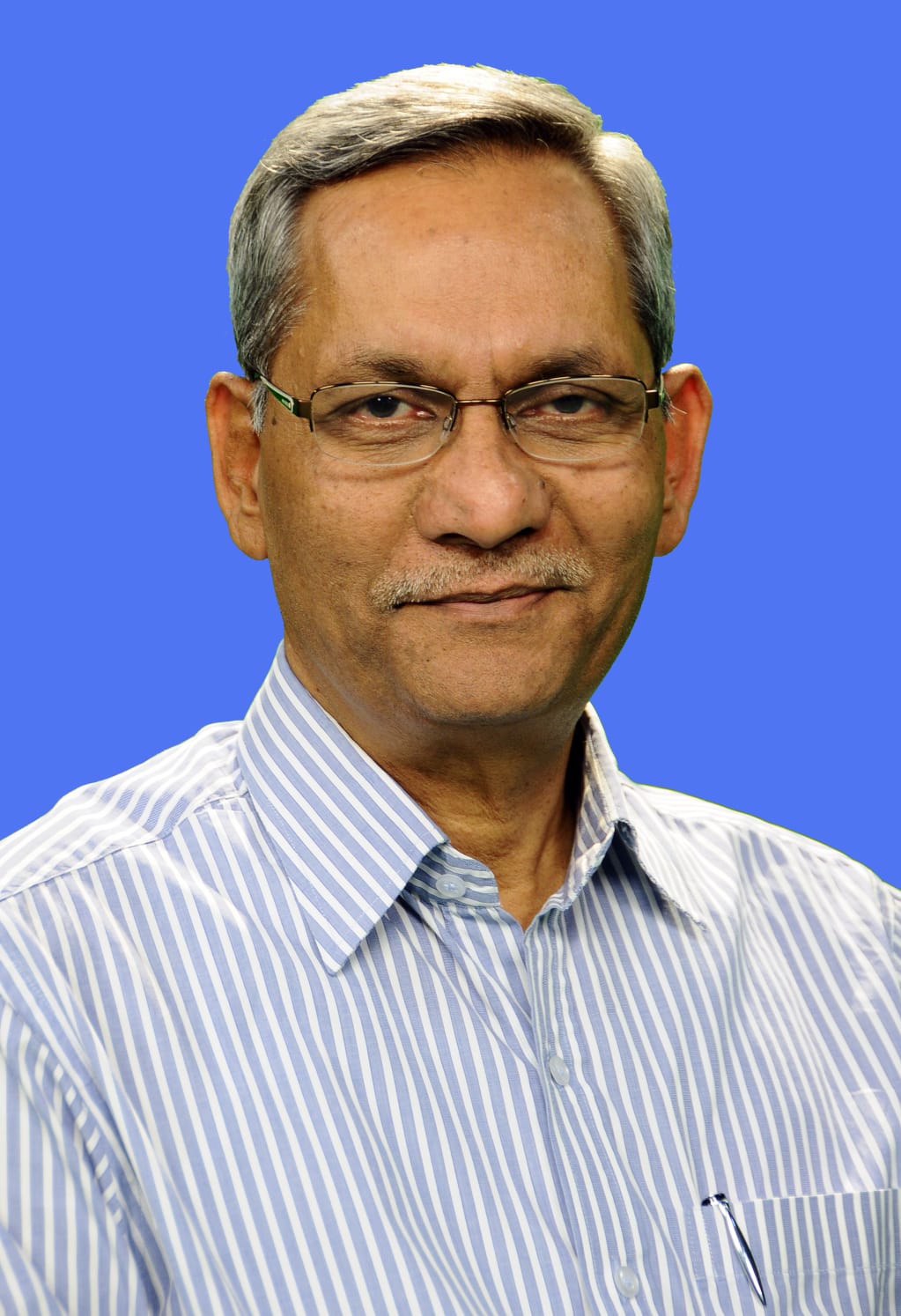
Dr. K. Ramachandra Murthy is a versatile journalist with a distinguished career. Dr. Murthy began his extensive career with Andhra Prabha of The Indian Express group in Bengaluru. He was editor of Udayam, Vaartha and Andhra Jyothy. Dr. Murthy founded and edited HMTV news channel and The Hans India, an English newspaper. He was also editorial director of the Telugu newspaper, Saakshi. He was awarded Ph. D for his research work in rural reporting. Dr. Murthy’s five decades in journalism showcases his influential roles across both print and electronic media. He wrote the political biography of NTR published by Harper Collins.
Email: murthykondubhatla@gmail.com
Mobile: 9908002211