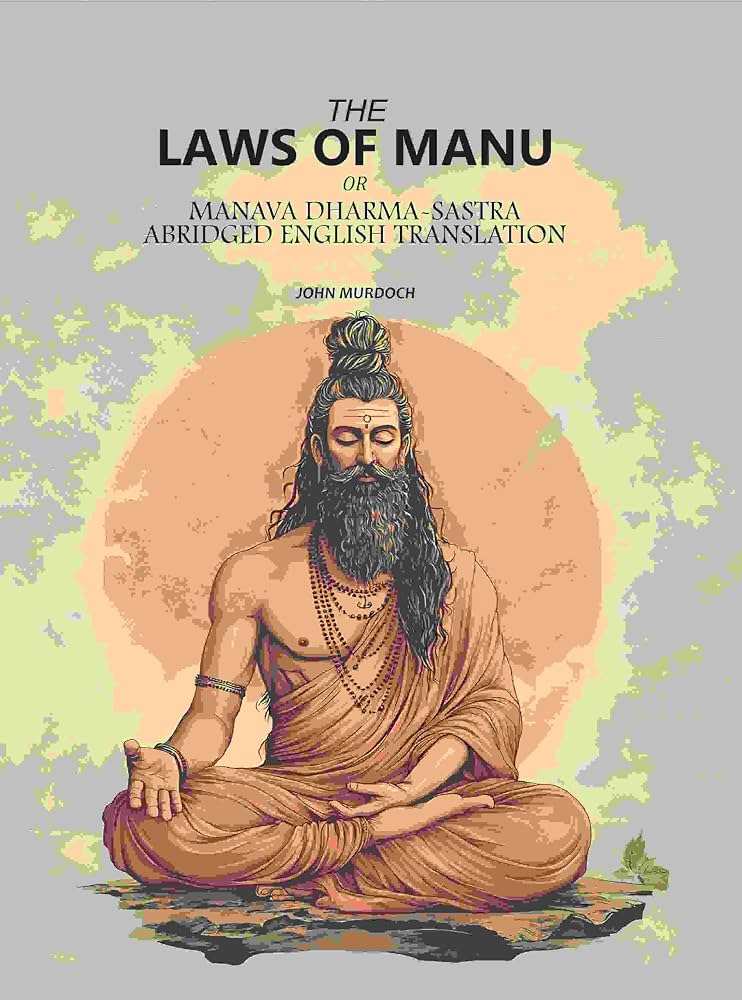
The Priority of Shruti Over Smriti in Indian Tradition
To understand why ancient social rules must change, we must look at how Indian tradition divides its own texts. There are two main categories: Shruti and Smriti.
Shruti refers to the Vedas and Upanishads. These texts talk about timeless truths, reality, and the equal dignity of all living beings. They are considered foundational and permanent. Smriti includes texts like the Manusmriti, Yajnavalkya Smriti, Parasara Smriti, and Narada Smriti. These legal manuals (Dharmashastras) were written for specific periods in history. Their job was to provide temporary social laws, local rules, and administrative guidelines for their time.
Indian tradition has a clear rule when these texts disagree: Shruti always comes first. Classical scholars like Adi Shankara affirmed this through the Sanskrit principle श्रुतिविरोधे स्मृतिरप्रमाणम् (Shruti-virodhe smritir apramanam), which means “In the event of a conflict with Shruti, Smriti holds no authority.” If a Smriti rule contradicts the core truth of Shruti, the Smriti loses its authority and must be set aside.
Furthermore, traditional scholars noted that Smritis carry an expiry date. Different social codes were meant for different eras. Local customs were always meant to adapt as human society evolved.Many social rules in the Manusmriti directly contradict the universal equality taught in the Upanishads. Following the tradition’s own rule of precedence, dropping outdated social codes is not a rejection of heritage. It is simply aligning ourselves with the highest truths of Indian thought.
Where the Ancient Code Fails Modern Ethics
Texts like the Manusmriti cannot serve as modern social frameworks. When we measure them against modern values, three major flaws stand out.
Birth-Based Division of Labour: The Manusmriti locked people into rigid roles based on birth. A person’s lineage fixed their duty for life. A scholar’s child had to remain a scholar. A manual worker’s child was restricted from changing their job or seeking higher learning. In contrast, the Upanishads show seekers like Satyakama Jabala being accepted for their truthfulness, not their lineage. A modern society must keep doors open for everyone based on ability, not birth.
Gender-Based Restrictions: The text states that a woman is protected by her father in childhood, her husband in youth, and her sons in old age, concluding that she should not be independent. While defenders call this protection, in practice it created permanent male guardianship. It stripped women of financial freedom, legal autonomy, and public agency. A modern democracy works on the opposite principle: women are independent individuals with equal rights.
Unequal Justice: The judicial system in the text directly violates modern law. Penalties for the exact same crime varied based on a person’s social standing. Members of lower social groups faced severe corporal punishment or death. Members of the highest class received mild fines or exile. Modern rule of law requires absolute equality, treating every citizen identically in court. These ancient rules reflected the social values of a bygone era. Applying them today violates both modern constitutional values and the core message of the Upanishads.
Restoring Harmony with Clarity
Dropping the rules of the Manusmriti is not an act of abandoning culture. It is applying a traditional principle: secondary social codes (Smriti) must yield to primary spiritual truths (Shruti).
When social rules freeze into dogma, they choke progress. The Upanishads teach that the divine spark exists equally in everyone. This core principle of fundamental equality was recognized by the founding fathers of our nation, who embedded it deeply into the Indian Constitution to ensure dignity and justice for all citizens.
Evolution, Philosophy, and Misinterpretations
At the same time, critics who continuously dredge up the Manusmriti to defame Sanatana Dharma misunderstand the tradition completely. Unlike religions governed by a single holy book, Sanatana Dharma evolved over thousands of years. It continuously added new layers of traditions, practices, and ways of living. Throughout this long evolution, the tradition remained flexible because it clearly defined Shruti as supreme, while treating social manuals as temporary arrangements.
Detractors mistake these temporary, obsolete social rules for permanent philosophy, bringing back dead issues simply to score points. Indian tradition never claimed that every historic legal text was infallible or set in stone. Instead, it built in clear rules to audit, update, or discard social codes as human understanding grew.
Progress does not mean destroying our past. It means clearing away the dust. By setting aside outdated rules and treating everyone with fairness and respect, we honour both our constitutional values and the highest spiritual wisdom of our civilization.
Author Biography: – R Srinivasa Murthy, the author, is a corporate leader, an independent writer, and a student of Hindhu Philosophy. He Identifies as a Demystic, committed to removing unnecessary mysticism from traditions to offer practical systems for the next generation. His upcoming book, Logic of And: Sanatana Dharma as a Toolkit for the Contemporary Seeker, aims to bridge ancient wisdom with modern life to foster an inclusive, living civilisation.

With a journalistic long journey, we bring you https://primepost.news, a dynamic platform committed to unraveling the intricate tapestry of Indian politics, particularly delving deep into the heart of Telangana and Andhra Pradesh. Our blog is not just a source of news; it’s a reservoir of insights, analysis, and thought-provoking reviews.



This is very sensible interpretation. It beautifully distinguishes between shruti and smriti and what should finally prevail.
Today only I know shruti and smiriti difference in our life.
Nice to know the Truth sir.
Superb sir
Excellent article. Quite informative, revealing many unknown itihas of Sanatan Dharma.