The Rising Cost of Survival
How Rising Prices and El Niño Distress
Are Upending Poor Households
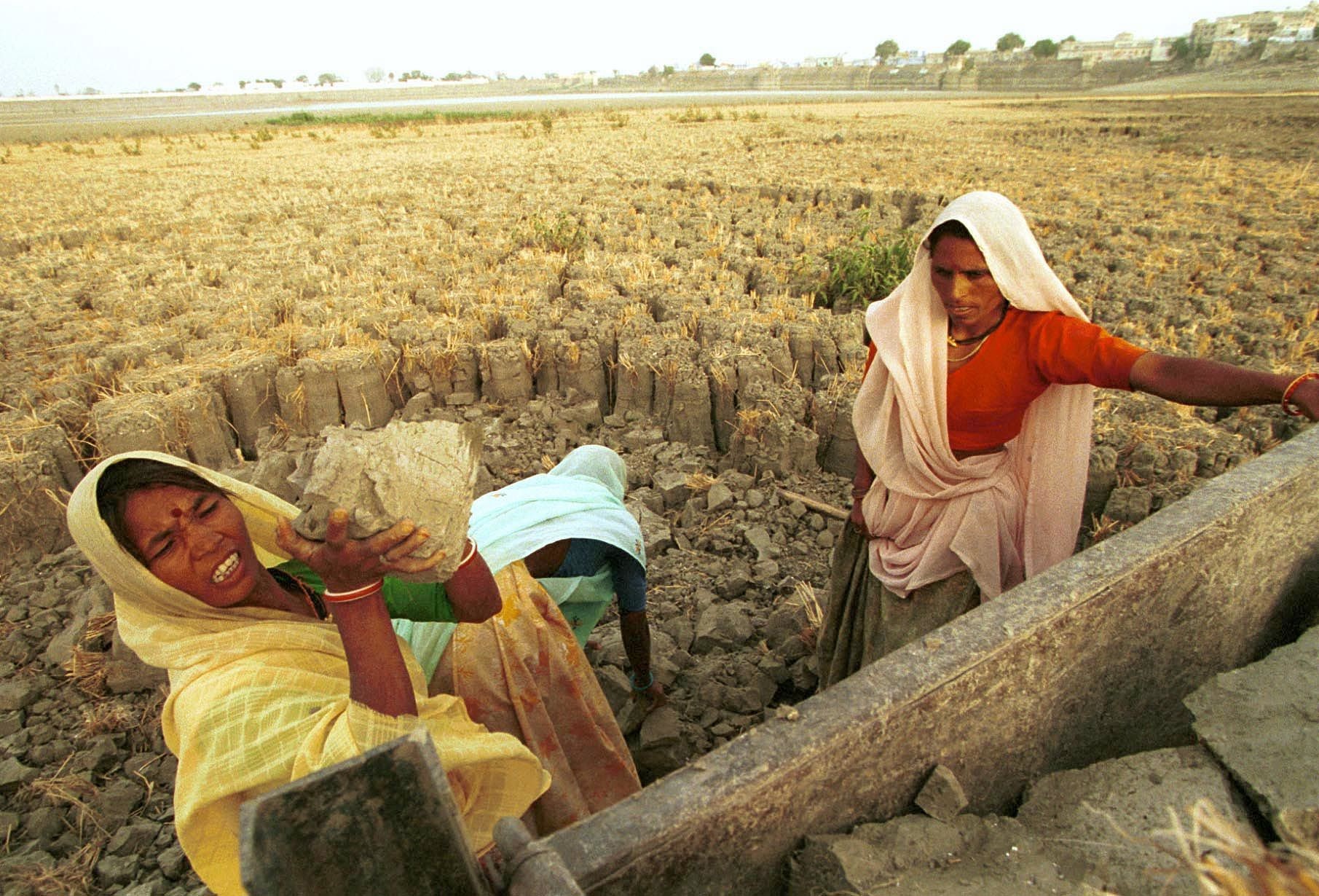
Across Telangana and Andhra Pradesh, low-income households are caught in a relentless economic vise. On one side, the cost of basic survival—from staple grains and edible oils to house rents, transport fares, and hospital bills—has climbed sharply. On the other, erratic weather driven by El Niño conditions—marked by prolonged dry spells, rainfall deficits, and sudden unseasonal showers—has battered farm yields and rural employment. For daily-wage labourers and marginal farmers in both Telugu states, this convergence is not merely an economic statistic; it is an everyday crisis of food security, debt, and dignity.
The Shrinking Kitchen Basket
For families living hand-to-mouth, inflation hits hardest where it cannot be avoided: the kitchen. Across urban centres like Hyderabad, Vijayawada, and Visakhapatnam, as well as rural mandals, the prices of essential commodities have surged. Fine varieties of rice, wheat, jowar, pulses, edible oil, and even basic condiments like salt, chillies, and vegetables have grown significantly costlier.
While public distribution systems (PDS) offer a crucial safety net for rice, poor households still rely on the open market for cooking oil, pulses, millets like jowar, and fresh produce. When retail food inflation spikes, families are forced into silent compromises: skipping vegetables, diluting dals, cutting back on milk for children, and reducing meal portions. Nutrition is the first casualty when daily wages remain stagnant against rising grocery bills.
Rents, Fares, and Medical Shocks
Beyond food, non-negotiable living expenses are eroding whatever little disposable income working-class families earn. Migrant workers, construction labourers, and gig workers in expanding urban hubs face steep hikes in single-room rents and electricity charges. Higher fuel and transport costs directly inflate auto-rickshaw and bus fares, eating into the daily earnings of workers who commute long distances to worksites.
Healthcare Vulnerability
Rising diagnostic fees, medicine costs, and private hospital bills pose the greatest threat of financial ruin. Because government hospitals are often overcrowded or lack specialized care at the mandal level, a single medical emergency—whether seasonal viral fevers, maternity care, or chronic illness—forces poor families to borrow from local moneylenders at exorbitant interest rates.
Marginal Farmers Caught Between Drought and Unseasonal Rains
In the agrarian belts of Telangana and Andhra Pradesh—from Rayalaseema and Coastal Andhra to northern and southern Telangana—small and marginal farmers (those holding less than two hectares of land) bear the brunt of climate volatility. El Niño-induced disruptions have triggered severe moisture stress and rainfall deficits across hundreds of mandals, leading to depleted groundwater and low reservoir inflows. Farmers who invested borrowed capital into paddy, cotton, chillies, groundnut, and pulses face withering crops during dry spells, only to see surviving harvests damaged by sudden, unseasonal rains and hailstorms.
How the Crisis Hits Different Vulnerable Groups
The combined pressures of climate volatility and inflation affect vulnerable groups across the region in distinct ways. Marginal and tenant farmers face severe rainfall deficits, prolonged dry spells, unseasonal crop damage, and rising input and irrigation costs, which frequently result in crop failure, an inability to repay both institutional and private loans, and the distress selling of livestock or land. At the same time, agricultural labourers deal with shrinking sown areas and fewer harvest days caused by these weather shocks, leading to a sharp loss of rural employment, stagnant wages, and seasonal distress migration to cities. Meanwhile, urban informal workers are squeezed by higher food prices, steep house rents, and rising commute and medical expenses, forcing families to reduce their nutritional intake, pull older children out of school, and take on mounting informal debt just to survive. Tenant farmers are in an even tighter spot. Without land titles in their names, they often miss out on formal bank credit, crop insurance payouts, and direct input subsidies, leaving them entirely exposed to both market inflation and crop loss.
The Ripple Effect on Rural Labourers
When agriculture falters, landless agricultural labourers lose their primary source of livelihood. Reduced sowing and failed crops mean fewer days of weeding, transplanting, and harvesting work. With rural employment shrinking under the Mahatma Gandhi National Rural Employment Guarantee Act (MGNREGA) or delayed wage payments, thousands of families are compelled to migrate to cities in search of construction or factory work—only to encounter soaring urban rents and living costs upon arrival.
The Path Forward
Easing this twin crisis in Telangana and Andhra Pradesh requires coordinated relief on both price stability and climate resilience. Expanding the basket of subsidized essentials through ration shops to include pulses, edible oil, and millets can immediately cushion household budgets. Simultaneously, strengthening public healthcare at the primary level, ensuring timely crop loss compensation for both landowning and tenant farmers, expanding MGNREGA workdays in drought-hit mandals, and investing in micro-irrigation and water conservation are critical to protecting the poorest citizens from being pushed deeper into poverty.

Principal Correspondent, Prime Post
CS Kulasekhar Reddy had thirty five years experience in journalism. He worked in Udayam and Andhra Bhoomi as reporter and sub-editor. He highlighted various social issues in Chitthoor, Ananthpur, Kadapa and Kurnool districts. He covered assembly sessions and Secretariat happenings.
Email: sangatiksr@gmail.com
Mobile: 9000400679