Two Leaders, Two Eras: Decoding India’s Longest-Serving Elected Prime Ministers
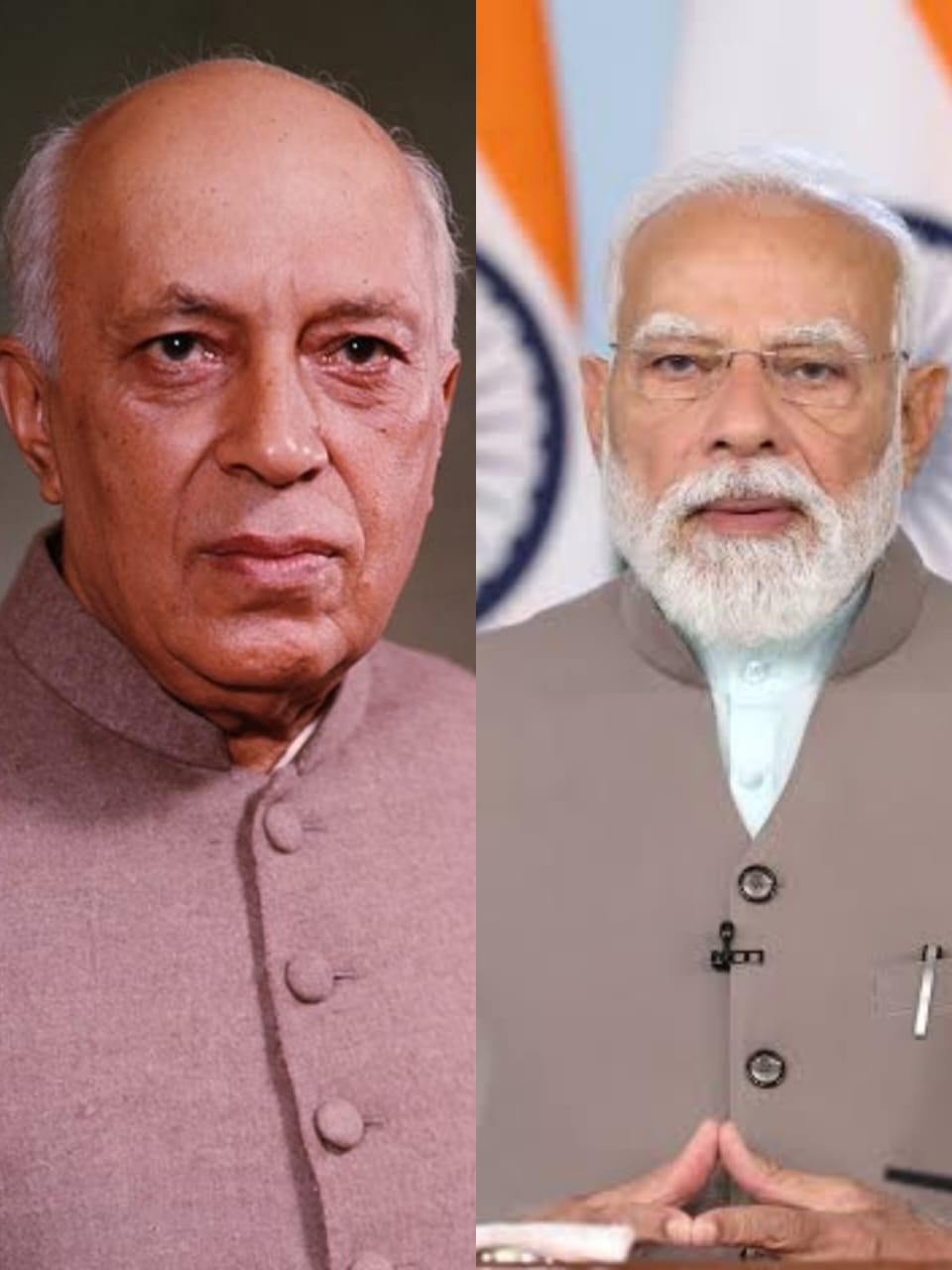
Prime Minister Narendra Modi has surpassed Jawaharlal Nehru as the longest serving elected PM of India on Wednesday, 10 June 2026. Modi has completed 4,399 days in office as against Nehru’s 4,398 days-counting from 1952 when he was formally elected to Lok Sabha in the first general election to May 1964 when he breathed his last. In fact, Nehru was PM of India from August 1947 to 1952 also. But the NDA government does not take that period into account as Nehru was ‘appointed’ under a transitional constitutional arrangement but not through a general election.
Nehru: Architect of the Secular Republic
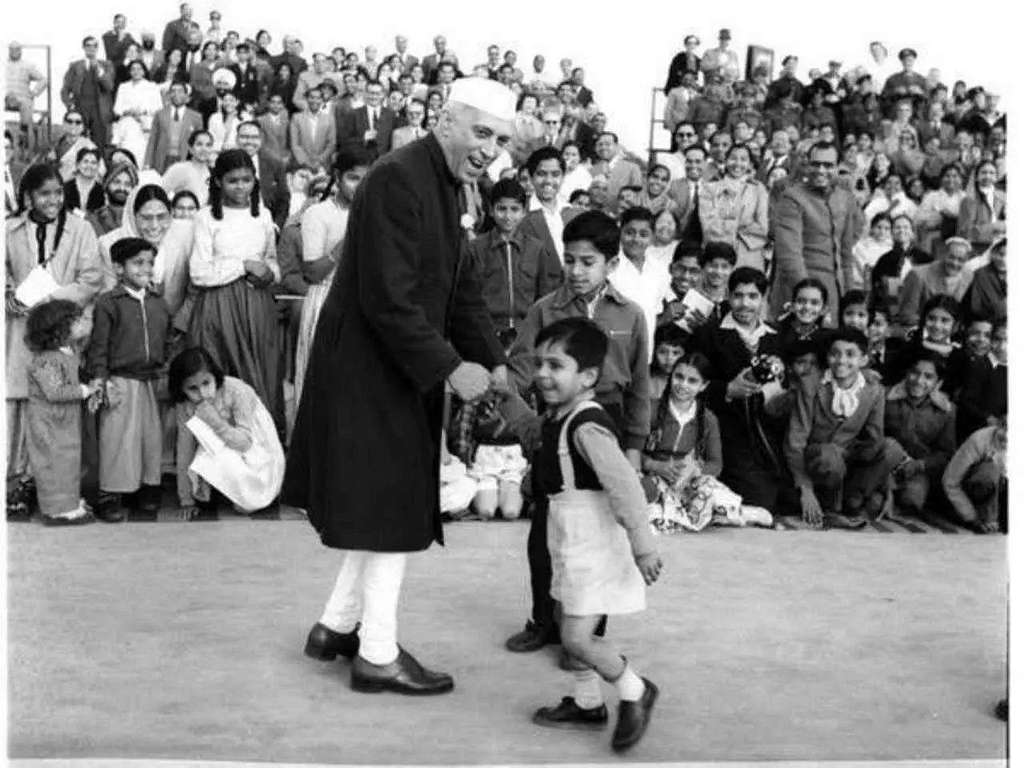
Although both Nehru and Modi are mass leaders, both are not comparable in any aspect except the time they were in office. They are two different personalities. Nehru was the first prime minister who laid foundation for a robust democratic and secular India. He built the country from zero. He strengthened the democratic institutions. He treated both the Hindus and Muslims equally. He made the minorities to feel secure in the country after terrible partition and exchange of 14 million refugees. He also helped Ambedkar and others to craft a liberal constitution. Nehru embarked upon mixed economy that was suitable for the country at that time. The first prime minister was a pioneer of non-aligned movement. He had scientific temper. He called the dams built on rivers modern temples of India. He encouraged scientific research. He built IITs with the support of different countries. Nehru launched five-year plan. He spent more than ten years in jail as part of his role in freedom movement. He tried to modernize agriculture. He did a lot of things because he happened to run the country that was exploited by the British rulers. He had to build literally from the scratch. That was why he was called the builder of modern India.
The Rise of Modi and the Ideological Shift
The background and the times of Modi’s prime minister tenure are entirely different. He had humble beginnings unlike Nehru who was born into an aristocratic family and gave up all luxuries when he jumped into freedom movement. India has accepted both Nehru and Modi at two different times in its journey. Modi had an agenda to implement. His mother organization, the RSS, has been talking of Ram temple in Ayodhya, abrogation of Article 370 and an enactment of a ban on triple talaq. Modi has implemented all the three commands. He will be trying to legislate uniform civil code.
Expanding Horizons and Tangible Governance
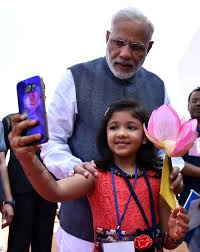
Under Modi’s leadership the BJP has expanded to areas where it was not present earlier such as northeast. Modi has votes where there are no BJP cadres. He has been praised as ‘Hindu Hriday Samrat.’ Today, the BJP is in power in states like Bihar, Odisha, Assam and West Bengal beside the Hindi belt where it has entrenched itself. The BJP has established beyond doubt in western India also. Only he has to win South India. Even there, in Andhra Pradesh all the parties-including the ruling NDA comprising TDP, the Jana Sena, the BJP and the opposition YSRCP adore him. Overall, Modi looks very strong and unbeatable. He led the BJP to victory in 2014 so that it can form the government on its own. But he chose to continue with the NDA. Swachh Bharat was made into a people’s movement with the construction of more than 12 crore toilets for individual houses. Over four crore houses were built for the poor. Under JAM programme, over 57 crore bank accounts were opened. Rs 45 lakh crore transferred to beneficiaries under DBT. There were over 24,000 crore digital transactions through UPI making India the global leader in real-time digital transactions. In 12 years of his rule the prime minister has done some tangible work which is visible.
The Difference of Polarization and Inclusivity
Modi speaks good Hindi and he is a very good communicator. He has coined a slogan ‘Sabkaa saath, Sabkaa vikaas, Sabkaa viswaas.’ However, he is not living up to the promise. He and his party colleagues abuse the Muslims who are about 20 crore of the population. After Indonesia, it is India where the largest number of Muslims live. Without taking them along, one cannot claim Sabkaa saath or vikas or viswas. The union ministry does not have a single Muslim. There are 14 States under the BJP rule where there is not a solitary Muslim minister. While Nehru was inclusive, Modi has been exclusive.
Geopolitical Stature vs. Regional Friction
Some analysts praise the NDA foreign policy while others castigate. Those who are with Modi say India’s voice is heard in international fora with greater respect. Other say all our neighbors are at logger heads with India. Even a small country like Maldives expresses anger at us without inhibition. Bangladesh, Nepal, Sri Lanka (not to talk of Pakistan and China) are not very friendly with India which they allege exhibits big brother attitude instead of behaving like an elder brother.
Institutional Critiques and the Path Ahead
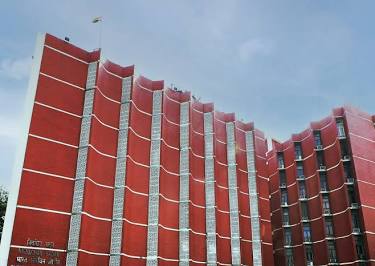
Modi, perhaps, is the only prime minister so far to evoke strong and divergent reactions. There are sections of people who love him heartily and those who have no love or respect for him. He based his politics on divisive aspect. He is the only prime minister who never addressed a press conference. He discontinued the practice of taking media persons with PM while going abroad. He changed the election law in which the role of the Chief Justice of India was done away with. PM and Home Minister Amit Shah and the Opposition leader select the election commissioners and the chief election commissioner. For all practical purposes, it is only the PM and HM who select the election commissioners. The Election Commission has been behaving in a biased manner. The SIR (Special Intensive Revision) of voters’ lists across the country is suspect to be vote theft. While the usual practice in a democracy is that the voters chose the rulers. Now rulers are selecting their voters. Many analysts say that SIR is all about manipulation of election process.
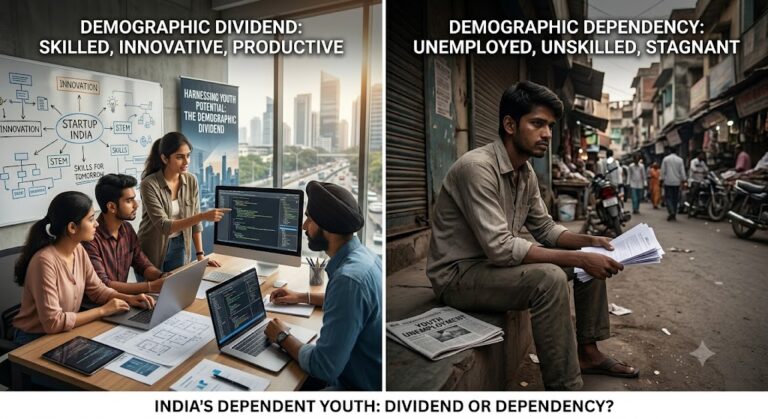
There has been no answer to growing unemployment and unrest among the youth. How the Modi government is going to tackle the Cackroach Janata Party (CJP) which is the product of widespread dissatisfaction among the youth? It is a litmus test. The economic performance of the Modi government is praised by the captive media. IMF gives a different story. The opposition may appear to be weak. But if the unrest among the people kept growing no media or social media would rescue the government. Modi has still three years of tenure left. He will be remembered by the progeny as a great prime minister if he changes his attitude towards the Muslims and practices transparency and inclusive politics. Better late than never.
Prominent Journalist
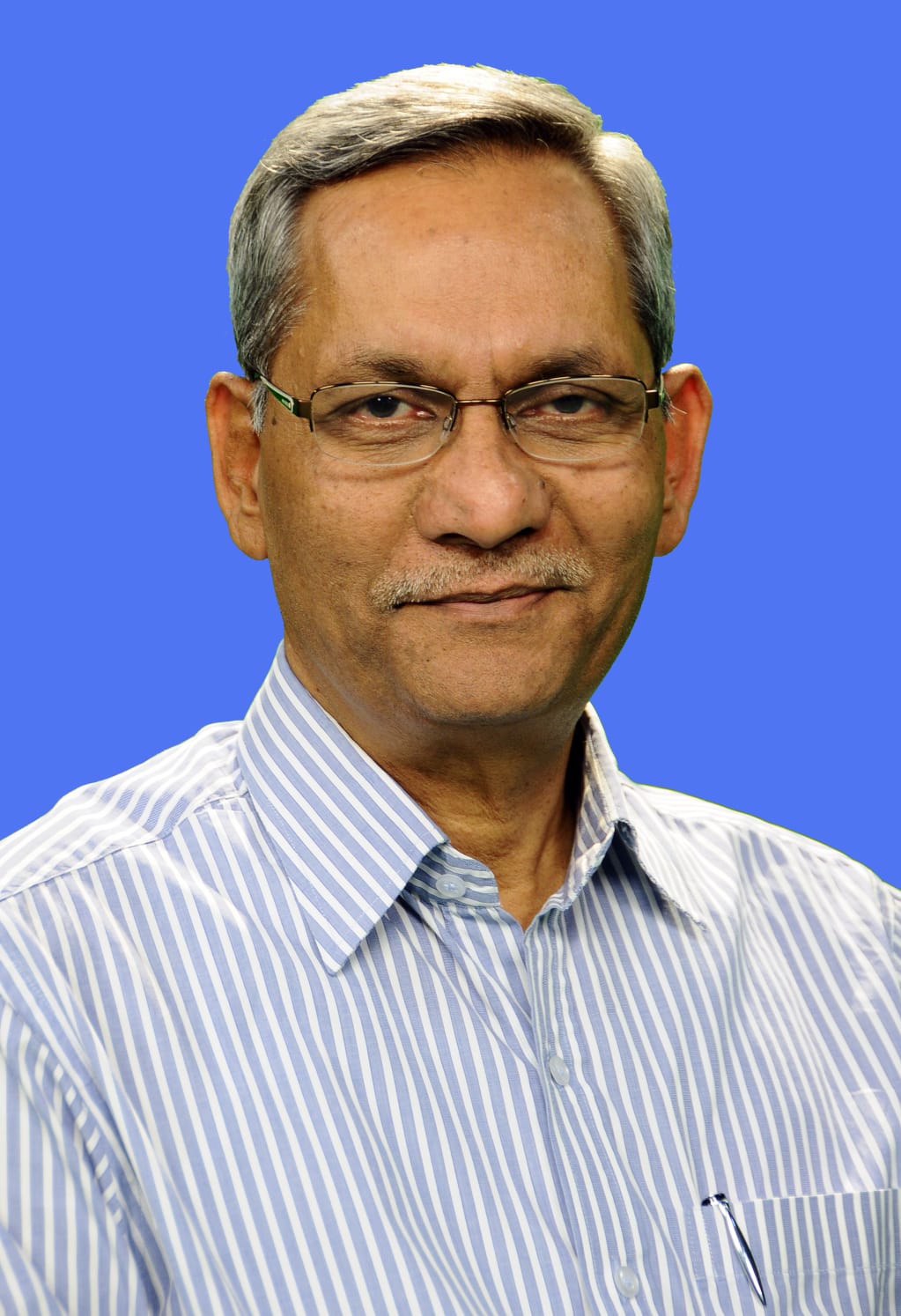
Dr. K. Ramachandra Murthy is a versatile journalist with a distinguished career. Dr. Murthy began his extensive career with Andhra Prabha of The Indian Express group in Bengaluru. He was editor of Udayam, Vaartha and Andhra Jyothy. Dr. Murthy founded and edited HMTV news channel and The Hans India, an English newspaper. He was also editorial director of the Telugu newspaper, Saakshi. He was awarded Ph. D for his research work in rural reporting. Dr. Murthy’s five decades in journalism showcases his influential roles across both print and electronic media. He wrote the political biography of NTR published by Harper Collins.
Email: murthykondubhatla@gmail.com
Mobile: 9908002211