The Hill of Equilibrium
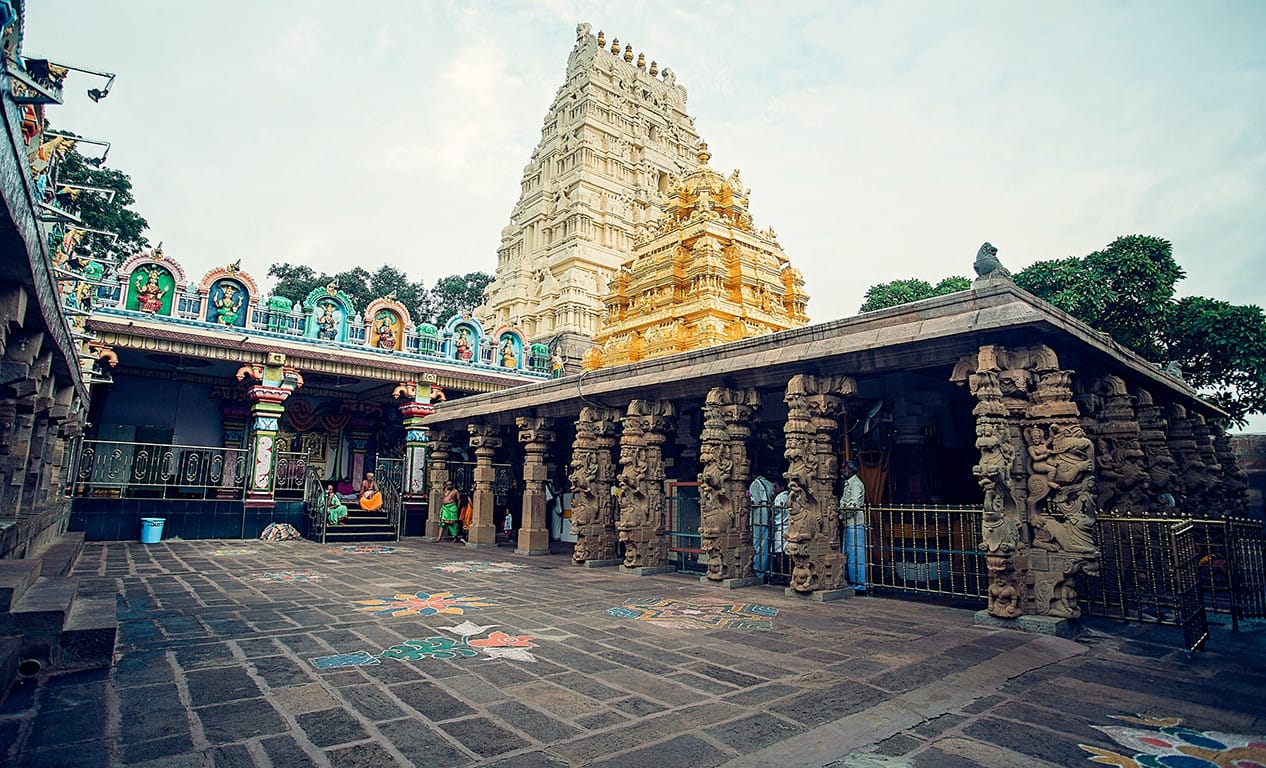
Mallikarjuna is about the balance required to stay standing. Perched on the Nallamala Hills of Andhra Pradesh, Srisailam is a rare geography. It is a place where the Jyotirlinga and the Shakti Peetha live in the same sanctum. In the modern world, we often talk about diversity as a human resources metric. Srisailam views it as a mandate. It is the original headquarters of the Logic of And.
The Legend: When Ambition Runs to the Mountains
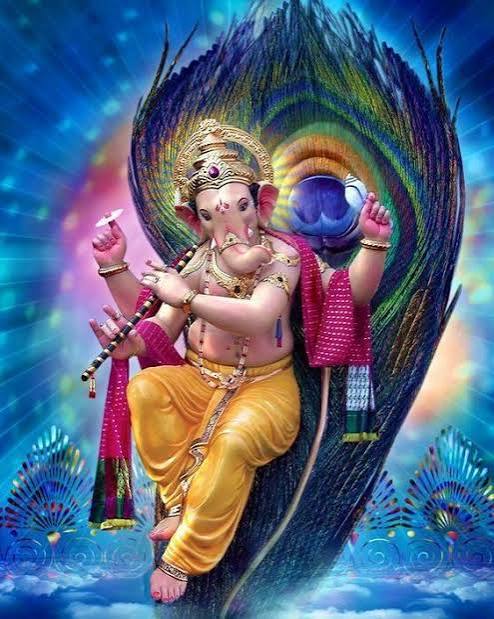
The story is a simple family moment with a deep management lesson. Ganesha and Kartikeya, the two sons of Divine, had a race to see who was the fastest. Kartikeya used the power of effort. He physically flew across the world, putting in the hard labour and sweat. Ganesha used the power of perspective. He simply walked around his parents, seeing them as his entire universe. Ganesha won through wisdom.
Feeling the sting of unfairness, Kartikeya retired to Mount Krauncha in a huff. This is much like a high-performing leader who walks away when they feel their hard work is not understood by the system. Shiva and Parvati did not argue with him or command him to return. They simply followed him. They set up camp on the same hill to be near him. They bridged the gap between his hurt and their love.
The Deep Meaning: The Great Crossover
The beauty of Srisailam lies in a radical reversal of identities. It challenges every rigid box we try to put people in. In traditional poetry, the bee is the masculine hero who roams, and the flower is the feminine presence that stays rooted. Srisailam flips this script:
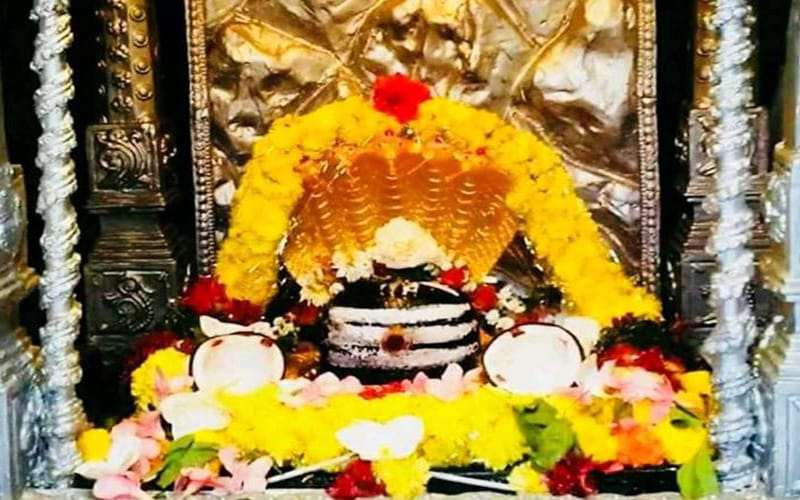
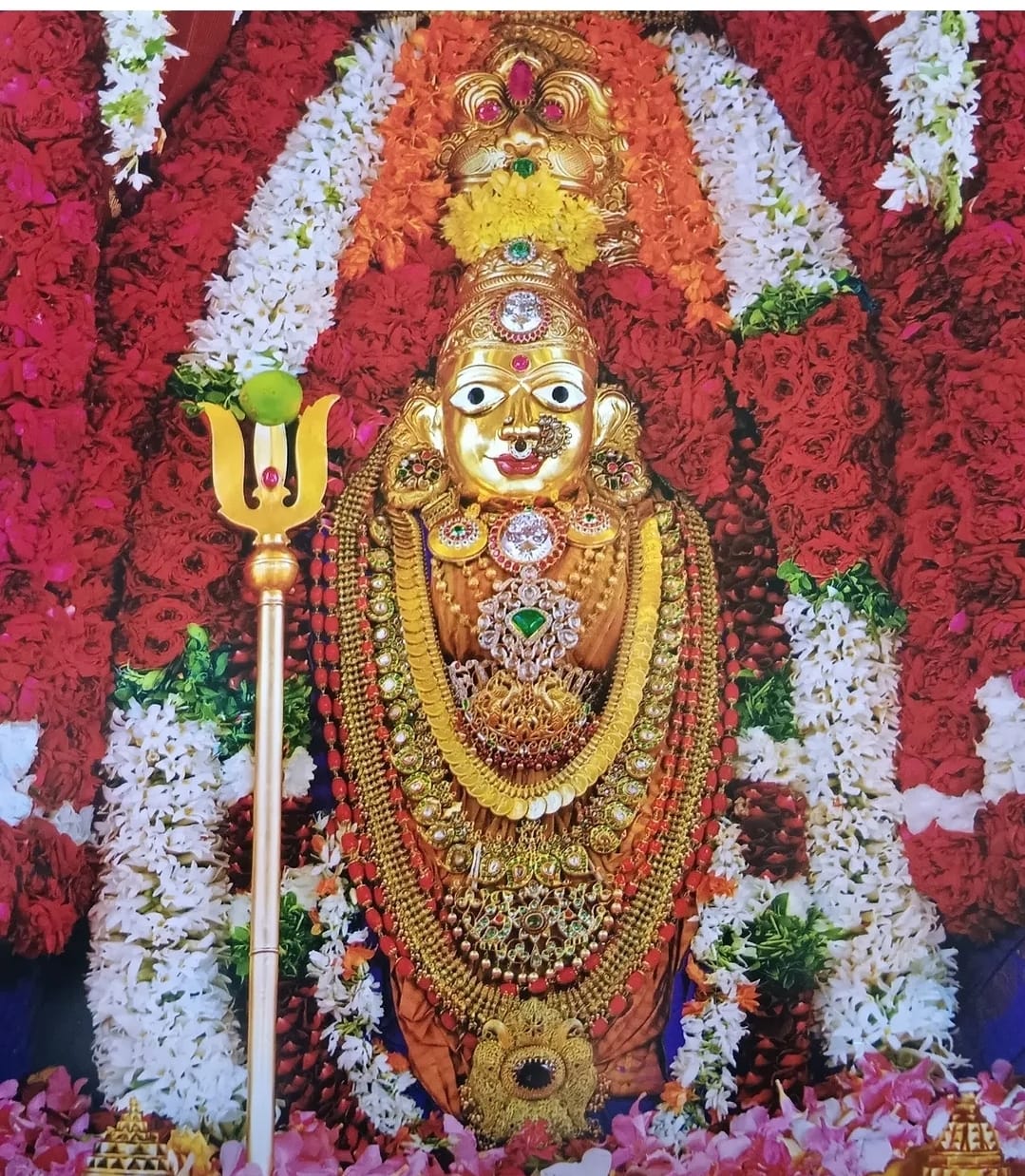
The Masculine Flower: The Lord is called Mallikarjuna. Malli is the Jasmine flower. He shows that true strength has the confidence to be gentle. It is the masculine principle accepting the soft identity. The Feminine Bee: The Goddess is Bhramaramba. Bhramar is the Bee. She is the active and searching force. She is the feminine principle taking on the sharp identity.
The Highest Space: Philosophy vs Policy
Today, the global corporate world struggles to improve diversity numbers through compliance and external metrics. These corrections often manifest as mandatory training or quotas. These can force a choice between merit and representation. Vedic wisdom gave this aspect the highest possible space thousands of years ago. By placing the Shakti Peetha and the Jyotirlinga in the same space and swapping their traditional roles, the ancient seekers established that inclusion is not a social favour. It is a cosmic necessity. It tells us that any system that favours only the “doer” and ignores the “being” is destined to lose its fragrance.
Relevance to Contemporary life
The Individual: The Integrated Leader- Think of a Director in his late 40s managing a difficult merger. Usually, he is expected to be the “bee”, probing the data and seeking results. But if he only stays as the bee, the culture of the new company dies. A leader who understands Mallikarjuna knows when to become the “flower.” He holds the space and provides the nectar of support to anxious employees. He realizes that a sharp tool without a soft touch eventually breaks.
The Individual: The Balanced Provider – a woman in her early 50s who has always been the “flower”, the emotional anchor and rooted presence of her home. Suddenly, life demands she become the “bee”. She must navigate complex legalities, manage family finances, or lead a business. She does not lose her grace. She adds the stinger of discipline to her nature. She becomes the active seeker of her own future. She isn’t picking a side; she is completing herself.
The Corporate: The Sanctuary Culture– Think of a company that stops treating diversity as a checklist. Instead of just giving someone a seat, they integrate new perspectives into their very identity. They realize that the “bee” of technical excellence and the “flower” of user empathy are not competitors. They are partners in the same story. This moves the organization from mere compliance to a state of functional integration.
The Seeker’s Summary
We often treat contradictions like a fight that someone has to win. We think if we are empathetic, we cannot be effective. Srisailam breaks this wall. It tells us that the bee and the flower are not competitors. They are partners in a single story. Inclusion is the realization that your opposite is not your competition but actually is your completion. When you stop fighting the contradiction and start harmonizing it, you do not just solve a business problem. You create a sanctuary. In your life, are you stuck in just one role? Are you brave enough to be the flower when the situation needs grace and the bee when the situation needs action?
About the Author
R Srinivasa Murthy, the author is a corporate leader, independent writer and is a student of Hindu philosophy. He is a Demystic, dedicated to stripping away unnecessary mysticism around traditions and practices to present a practical system for the next generation. His upcoming book, “Logic of And: Sanatana Dharma as a Toolkit for the Contemporary Seeker“, bridges the gap between ancient wisdom and modern life to build an inclusive and living civilisation.

With a journalistic long journey, we bring you https://primepost.news, a dynamic platform committed to unraveling the intricate tapestry of Indian politics, particularly delving deep into the heart of Telangana and Andhra Pradesh. Our blog is not just a source of news; it’s a reservoir of insights, analysis, and thought-provoking reviews.

Good article. Provides new perspective and understanding.
Corollary very well juxtaposed. Being second jyotirlinga in precedence and being in thick forests this temple escaped destruction by invaders but could not escape conversion onslaught from missionaries. There is a ” AND ” here too
Beautiful and critical lessons of life, delivered by the divine Srisailam Mallikarjuna – Bhramaramba; well perceived and projected by the author. Hearty congratulations for message!
A good comparison between wisdom- ego- power. Well said about Bhramarambica- Mallicaruna, a flower & bee… as an individual …understand the situatio, leave the ego, and role play to make success in the organisation . I think it’s a beautiful lesson for a new seekar.
Very nicely relating the ancient but eternal wisdom with the characters and people of modern day lives.
JV Prasad, a retired soldier and ISKCON follower
Contradictions are not wars. They are old rivers meeting under the earth.
The bee does not arrive to conquer the flower & the flower does not bloom to surrender. They survive by recognizing each other’s hunger.
Well articulated by Author.
It’s great article with reference ancient story of Srisailam on coexistence taking into existing Jyotirlinga and Shakthi peetam.
Another great inspiring story on Wisdom
In today’s world ‘Smart work’ matters most rather than hard work.