Government Shifting Its Strategy Toward Gen Z?
Is Narendra Modi government getting closer to Gen G? The union government has been flexible in dealing with the cases against them. It told the Supreme Court to quash the FIRs filed in connection with the ‘Sansad Chalo’ march on July 20. Earlier they did the unprecedented thing of asking the Union Education Minister Dharmendra Pradhan to resign. He was the first and only minister to quit on public demand. Then the RSS chief Mohan Bhagwat extolled the people on the importance of Gen G and the need to take them along. The BJP leaders had taken the cue. Those who were critical of Gen G are now either silent or took U-turn.
A Constitutional Balancing Act
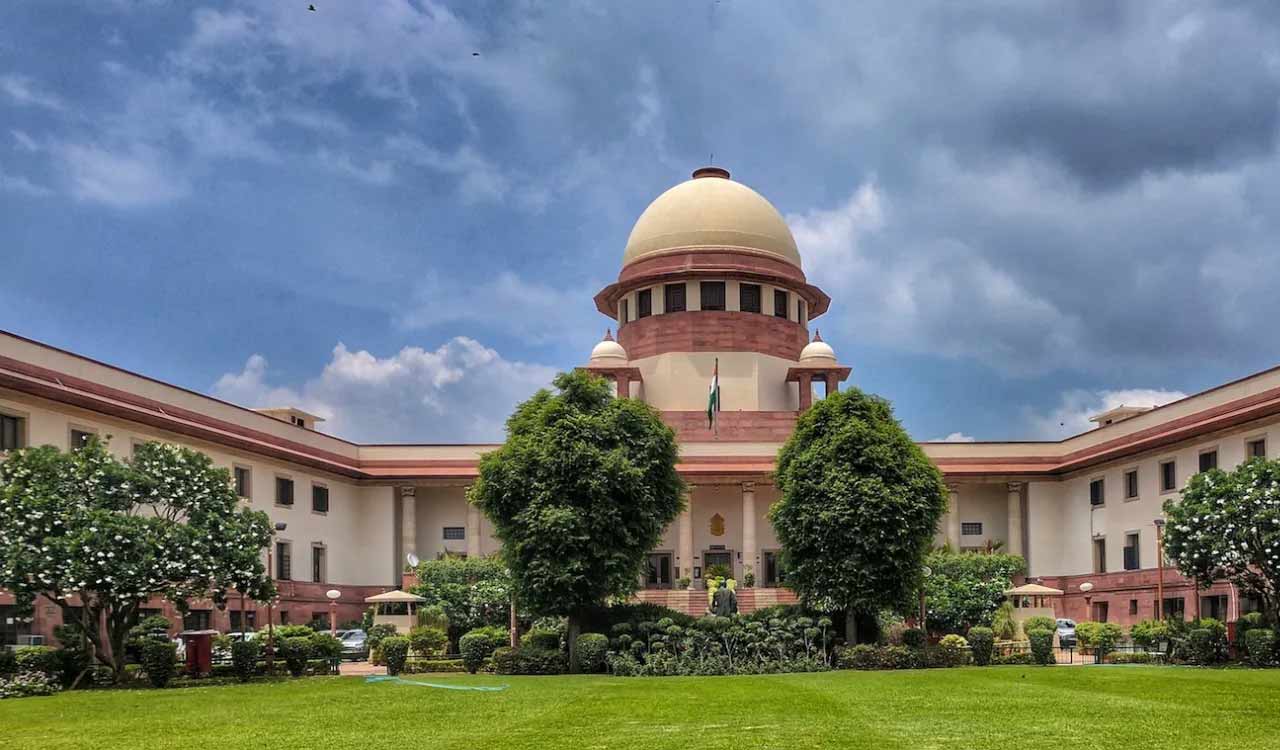
The three-judge bench of the Supreme Court headed by Chief Justice Surya Kant has taken a proper decision on Tuesday in quashing the FIRs against the students who protested at Jantar Mantar on July 20. The students were mercilessly beaten up by the police who acted brutally. When the young students were marching towards the Parliament to meet the people’s representatives, they were attacked with lathis, teargas and the pellet guns. The Cockroach Janata Party (CJP) which organized the ‘Chalo Sansad’ programme has been demanding the quashing of the FIRs. Freedom to protest peacefully and freedom of expression have been guaranteed by the Constitution. The court has invoked Article 142 to close all criminal cases over the July protests. But the apex court has allowed Delhi police to file fresh and specific FIR against protestors with ‘criminal antecedents.’ CJI, in response to the court’s decision, has withdrawn its call for September 5th march.
Closure for All Intents
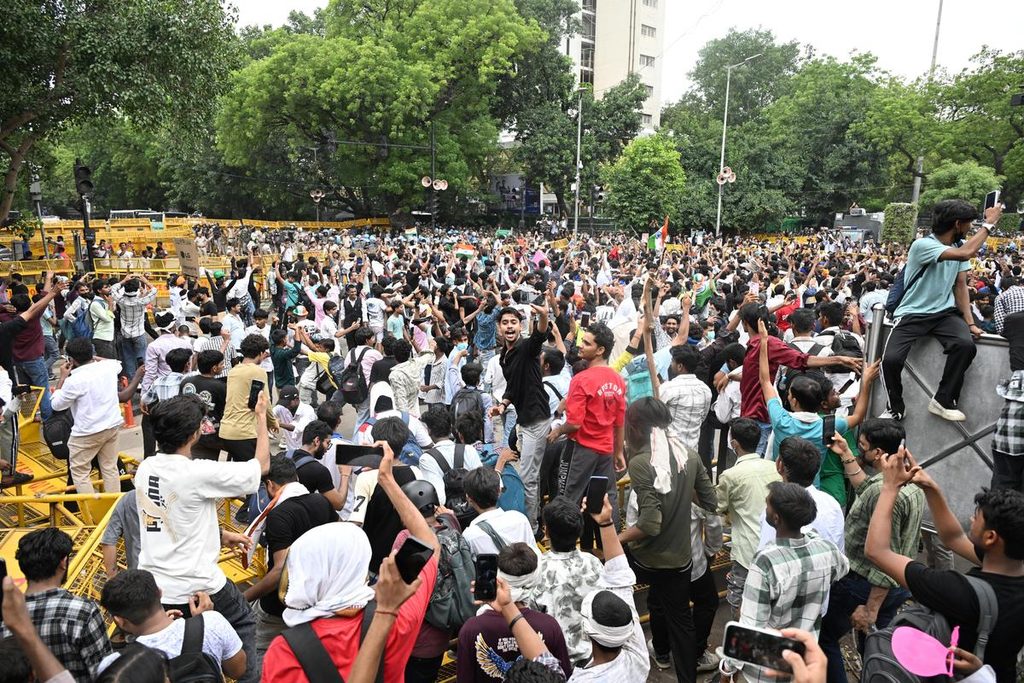
The bench exercised its absolute powers given under constitution to do “complete justice” and ensure that the first information reports (FIRs) over the protests will not be investigated and will be closed for all intents and purposes.” The court also clarified that its order was not confined to Delhi, but extended to all states and union territories where protests took place.” As the high-profile BRICS summit is slated to be held on September 12 and 13 in the capital city and the CJP gave its call for a march a week earlier, the Delhi police told the court on August 31 that it did not wish to pursue the FIRs. It is the decision of the Union government and some states and union territories. CJP’s co-convener Saurav Das, who was present in the court when the judgment was delivered, said the CJP looked forward to compliance with the ‘historic’ decision.
The top court also directed the Centre to frame a pan-India policy for compensating the families of the students who committed suicide following the NEET-UG 2026 paper leaks and make the payment within three months. The court said it chose to invoke Article142 primarily keeping in mind the ‘future prospects of the young protestors.’
The Sifting Mechanism
The highest court was selective in quashing the FIRs. It has left out the young people with ‘criminal antecedents.’ The police claim to have spotted by facial recognition technology 2,873 individuals with criminal antecedents at Jantar Mantar on July 20. Even if there are persons with criminal antecedents are they prohibited from participating in peaceful protests? There is absolutely no sense in this order. It can be said that the judiciary and the state are on the same page in suppressing the dissent. The approach of the court appears to be liberal and democratic while being authoritarian. Actually, the police files FIRs and governments withdraw them. Why ask the SC to quash the FIRs?
The cases being closed it the right thing to do, but are they being closed for the right reason? Does the government find it expedient to close them against one set of protesters while letting those against other protesters linger on, making the process their punishment?
Systemic Reality
The story of the April protests by Noida workers for higher wages played out differently. There was a police crackdown and about 200 persons were taken into custody. Of them two persons were arrested under the stringent NSA (National Security Act). In 80 percent of the cases, the courts had intervened and granted relief on Wednesday. The Allahabad High Court quashed the NSA detention of a student activist, terming the state’s case as concocted. The police lacked evidence and they treated the crowd as accused. All the cases had been stricken of. There was no blanket relief as in the case of Gen Z. The average period a protester had to spend in custody was 53 days.
In Uttar Pradesh, the Yogi Adityanath’s government indulges in naming and shaming the accused in public posters, bulldozing their houses in spite of the court orders against demolition. Cases registered during the farmers’ protests in 2021 are still pending. The farmers’ demands have been conceded and the three disputed farm laws were repealed, but the accused farmers are harassed through cases.
Tactical vs. Systemic Mercy
So, the central government has requested the apex court to quash the FIRs only against the Gen Z protestors. It has been evident for quite some time that the government has been trying to win over the young students. Prime Minister’s talk of ‘dimagi naxalites’ during his 13th Republic Day oration is a clear indication to the fact that there is absolutely no change in the attitude of the government in treating anyone who questions it as enemy. Almost all the Naxalite who surrendered to government recently would fit the definition of ‘dimagi naxals.’ All of them have criminal antecedents. If what the Supreme Court said while allowing the government and the police to file fresh and specific FIRs is implemented in letter and spirit, no former Naxalite is safe. He can be arrested any time if a crime takes place in his vicinity. If any one thinks the SC has become liberal and the government has become forgiving, he or she is living in a fools’ paradise. Prime Minister Narendra Modi and Union Home Minister Amit Shah have decided that the Gen G can be won over by dealing with them with kid gloves.
Prominent Journalist
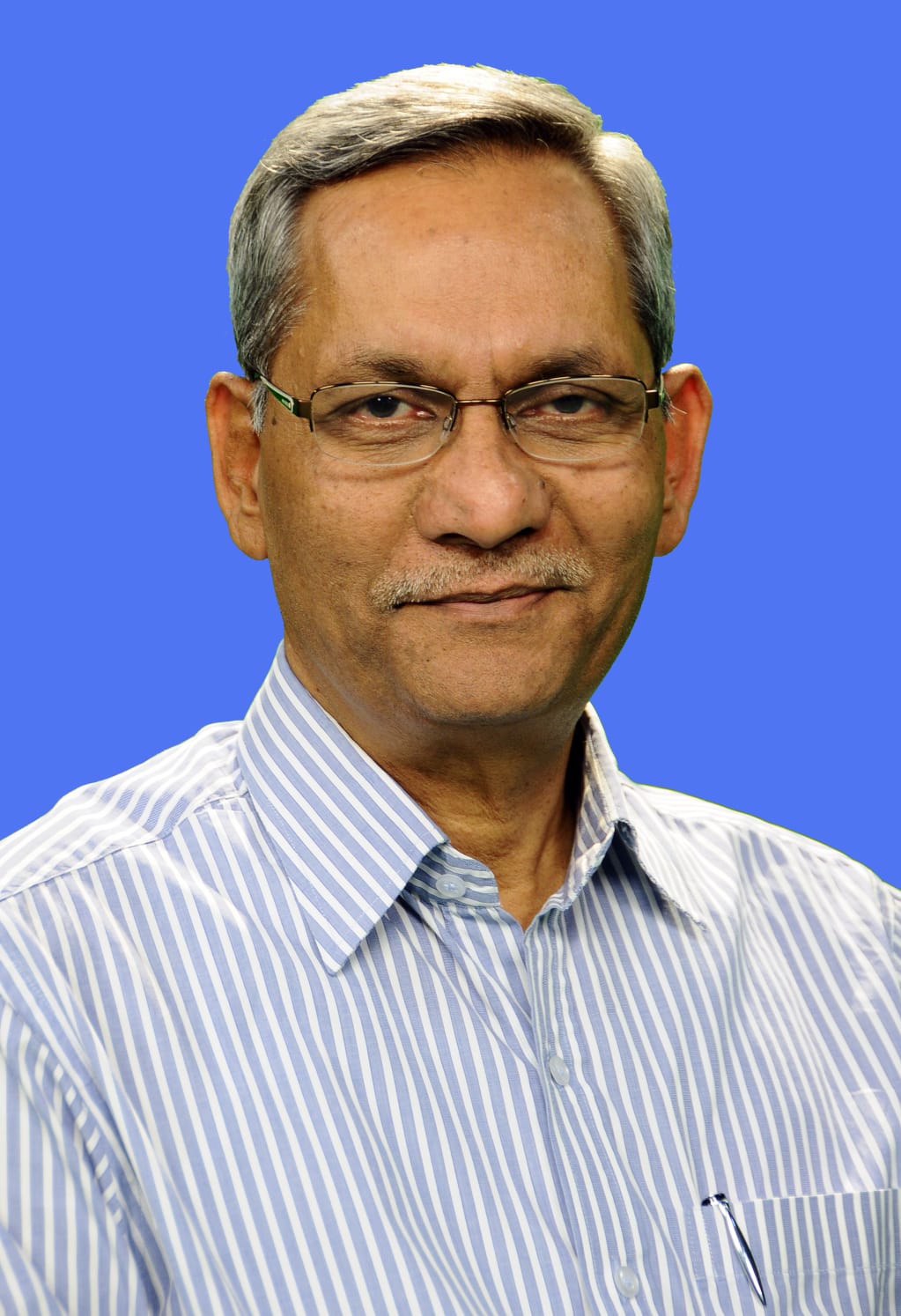
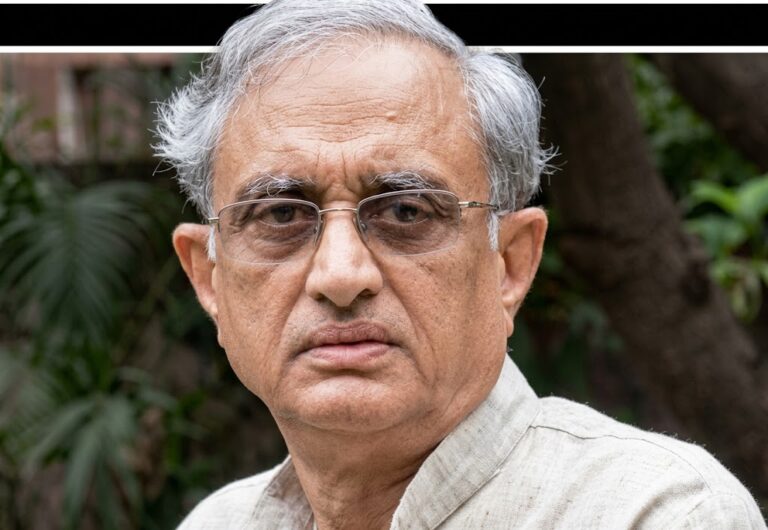
Dr. K. Ramachandra Murthy is a versatile journalist with a distinguished career. Dr. Murthy began his extensive career with Andhra Prabha of The Indian Express group in Bengaluru. He was editor of Udayam, Vaartha and Andhra Jyothy. Dr. Murthy founded and edited HMTV news channel and The Hans India, an English newspaper. He was also editorial director of the Telugu newspaper, Saakshi. He was awarded Ph. D for his research work in rural reporting. Dr. Murthy’s five decades in journalism showcases his influential roles across both print and electronic media. He wrote the political biography of NTR published by Harper Collins.
Email: murthykondubhatla@gmail.com
Mobile: 9908002211

I think the protester need to account oneself. The leaders must issue passes/ ids to each and every participant. How can we have KDs without student identity cards to enter the student protest assembly. The leaders must take responsibility for every participant member. The leaders and organisers have to answer to every misconduct or crime during the protest.