Beyond Student Politics and the NDA Government
The Evolution of Gen Z Activism
From NEET Leaks to Electoral Integrity
Decoding Gen Z’s Institutional Grievances
Institutional Strain and Economic Anxiety- key drivers of Youth Disillusionment
Seven Pillars of Discontent
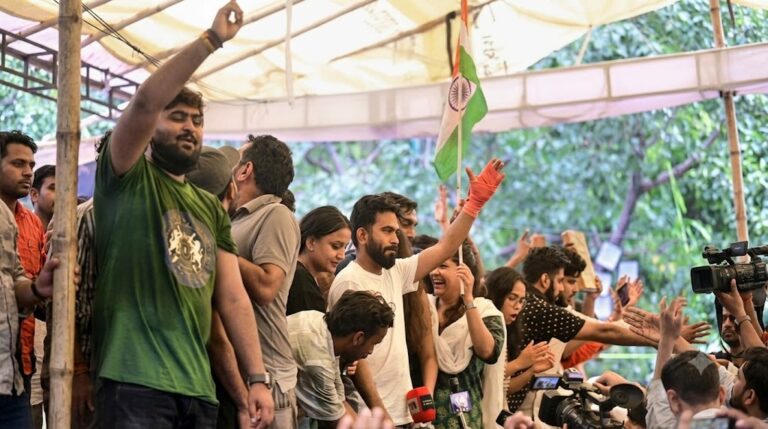
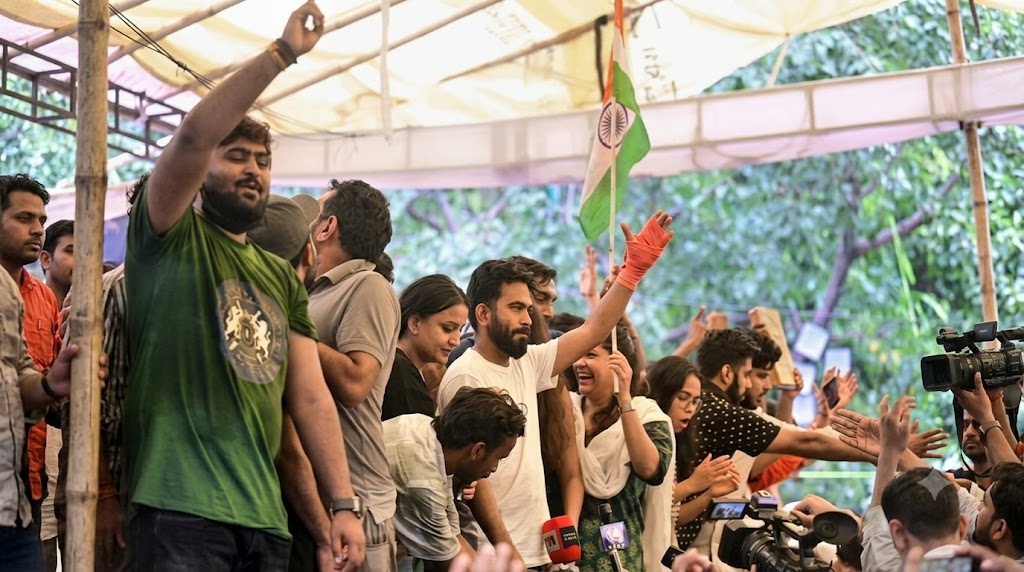
The socio-political landscape in India has witnessed a profound shift, anchored heavily by the rising political consciousness of Generation Z. Unlike preceding generations whose activism was largely tethered to traditional student wings of mainstream political parties like the BJP, INC, CPI-M, or CPI, contemporary Gen Z mobilization operates largely outside traditional party lines. Initially, observers mistook their mobilization over the NEET examination paper leaks—which resulted in high-profile demands for accountability—as a single-issue student grievance that would dissipate once immediate pressures subsided.
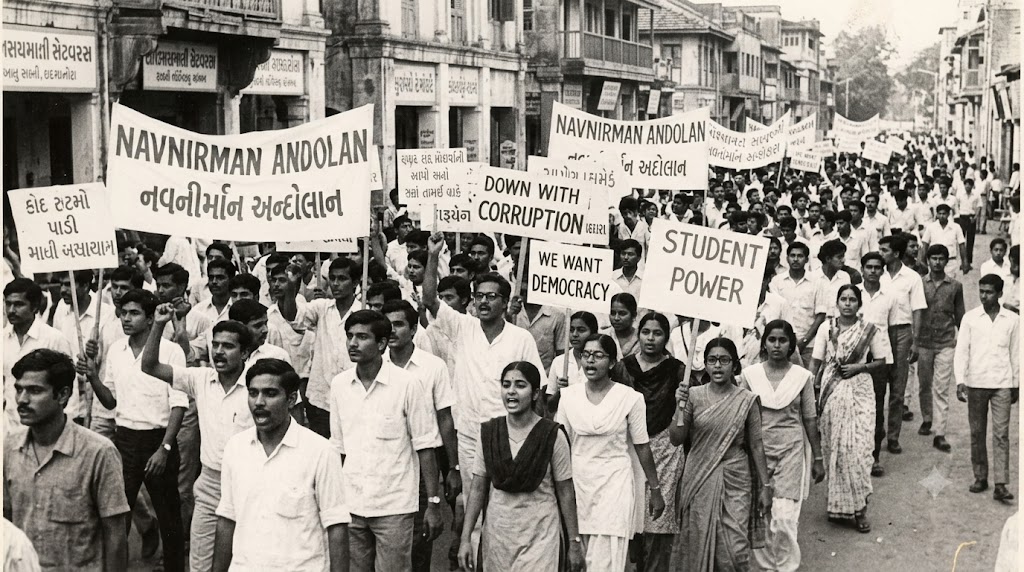
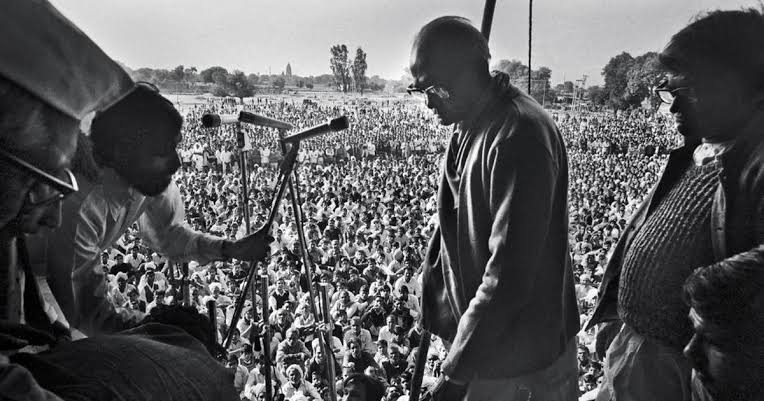
Historically, during India’s freedom movement, students played a vital role as dynamic catalysts for national awakening. Inspired by leaders like Mahatma Gandhi, Bal Gangadhar Tilak, and Bhagat Singh, young minds actively participated in landmark agitations such as the Swadeshi Movement, Non-Cooperation Movement, Civil Disobedience Movement, and the Quit India Movement. During the 1950s, 1960s, and 1970s, student movements in India shifted from anti-colonial struggle to addressing post-independence socio-economic and political challenges. The movement reached its peak in the mid-1970s with Jayaprakash Narayan’s JP Movement (Bihar Movement) and the Navnirman Movement in Gujarat, where students revolted against corruption, unemployment, and inflation. Their courageous resistence during the 1975–77 Emergency firmly established students as key guardians of Indian democracy.
Youth took to the streets en-masse when the VP Singh government introduced Backward Class reservations under the Mandal Commission recommendations, fearing an impact on their academic and career prospects. Similarly, the brutal rape and murder of Nirbhaya in Delhi united students across the country in widespread outrage against systemic failures in public safety and justice. Today, however, Gen Z activism has expanded beyond these episodic, reaction-driven flashpoints into a continuous, wide-ranging critique of democratic and institutional governance.
However, the ongoing youth dissent has evolved into a broader systemic critique of governance under the NDA administration. Rather than returning quietly to academic or corporate routines, young citizens have trained their sights on the systemic health of Indian democracy, expressing deep-seated frustrations across seven core pillars of national life.
Erosion of Parliamentary Decorum and Institutional Debates
A primary source of disillusionment is the perceived degradation of decorum within the 788-member bicameral Parliament. Gen Z observers note a steady departure from historical norms where ruling dispensations actively protected the dignity of the opposition. Instead, contemporary legislative proceedings often mirror polarized battlegrounds characterized by unparliamentary remarks, the regular suspension of opposition MPs, and a general bulldozing of legislative practices. To a generation that values transparent discourse, this perceived erosion of parliamentary sanctity signals a transition away from deliberative democracy toward majoritarian unilateralism.
Media Capture and the Skewing of Public Discourse
Young citizens have grown intensely critical of the structural evolution within the Indian media ecosystem. The rapid transition of legacy media ownership into the hands of select corporate industrial houses has deeply impacted newsroom objectivity. Gen Z frequently critiques prime-time news bulletins, panel discussions, and special investigative stories for exhibiting a systematic bias toward the ruling party. The constant, one-sided cornering of prominent regional and national opposition figures—such as Rahul Gandhi, Arvind Kejriwal, Mamata Banerjee, and Uddhav Thackeray—by partisan anchors is viewed not as robust journalism, but as an engineered narrowing of the democratic narrative.
Electoral Integrity and Voter Rolls
The youth mobilization extended dramatically past campus boundaries following investigative reports—such as those published by The Indian Express—detailing alleged anomalies, false deletions, and additions within voter rolls managed by the Election Commission of India (ECI). For a demographic that views the ballot as the ultimate equalizer, any suggestion of compromised institutional impartiality regarding voter administration triggers profound anxiety about the integrity of future democratic mandates.
Crony Capitalism and Policy-Drafting Disparities
Economic inequality forms a bedrock of Gen Z frustration. There is a persistent perception that national economic policies, resource allocations, and regulatory frameworks are meticulously drafted to favor a select group of three to four dominant industrial conglomerates. This apparent consolidation of wealth and market dominance at the expense of small-to-medium enterprises and everyday citizens fuels widespread economic anxiety regarding future job security, inflation, and upward social mobility.
Institutional Overreach and Legal Autonomy: The NALSAR Controversy
The August 2026 student protests at NALSAR University of Law in Hyderabad serve as a watershed moment for legal and academic autonomy. When the graduating batch peacefully opposed the invitation of Chief Justice of India Surya Kant as their convocation chief guest—citing judicial conduct surrounding public protests—the subsequent heavy-handed reactions, including a briefly imposed Bar Council of India (BCI) directive halting student enrollments, shocked the academic community. Although the BCI later retracted its stance following widespread backlash and judicial observations affirming the right to peaceful dissent, the episode highlighted a tense friction point between young legal minds and institutional authorities over freedom of expression and dissent.
Weaponization of Investigative Agencies and Political Defections
The systemic use of central investigative agencies like the Enforcement Directorate (ED) against political opponents has become a major flashpoint. Gen Z monitors observe a recurring pattern where opposition MPs face sudden scrutiny, followed by their defection to the ruling party and the subsequent stalling or freezing of pending legal and financial cases against them. This phenomenon is frequently contrasted with simultaneous reports of substantial write-offs for corporate and political non-performing assets (NPAs), feeding a narrative of selective accountability.
Divestment of Strategic Public Sector Undertakings & Unemployment
Finally, the aggressive disinvestment and privatization of profit-making Public Sector Undertakings (PSUs) and core national institutions trouble a generation seeking stable employment and state-backed economic security. The transfer of vital national assets to private hands is viewed by youth collectives not merely as an economic strategy, but as a systematic withdrawal of the welfare state from public life. Elevated youth unemployment and persistent rural–urban disparities remain key structural hurdles across the nation. India’s overall unemployment rate held steady at 5.0%.
Conclusion
Ultimately, the frustration of Gen Z with the present NDA government cannot be reduced to a temporary reaction over academic paper leaks or partisan posturing. It represents a fundamental ideological friction between a digitally empowered, rights-conscious youth demographic and an increasingly centralized administrative structure. Their ongoing civic engagement signals a demand for systemic accountability, institutional neutrality, and a restoration of democratic pluralism in India.
Editor, Prime Post
Ravindra Seshu Amaravadi, is a senior journalist with 38 years of experience in Telugu, English news papers and electronic media. He worked in Udayam as a sub-editor and reporter. Later, he was associated with Andhra Pradesh Times, Gemini news, Deccan Chronicle, HMTV and The Hans India. Earlier, he was involved in the research work of All India Kisan Sabha on suicides of cotton farmers. In Deccan Chronicle, he exposed the problems of subabul and chilli farmers and malpractices that took place in various government departments.
Email: ravindraseshu7@gmail.com
Mobile: 9063718675