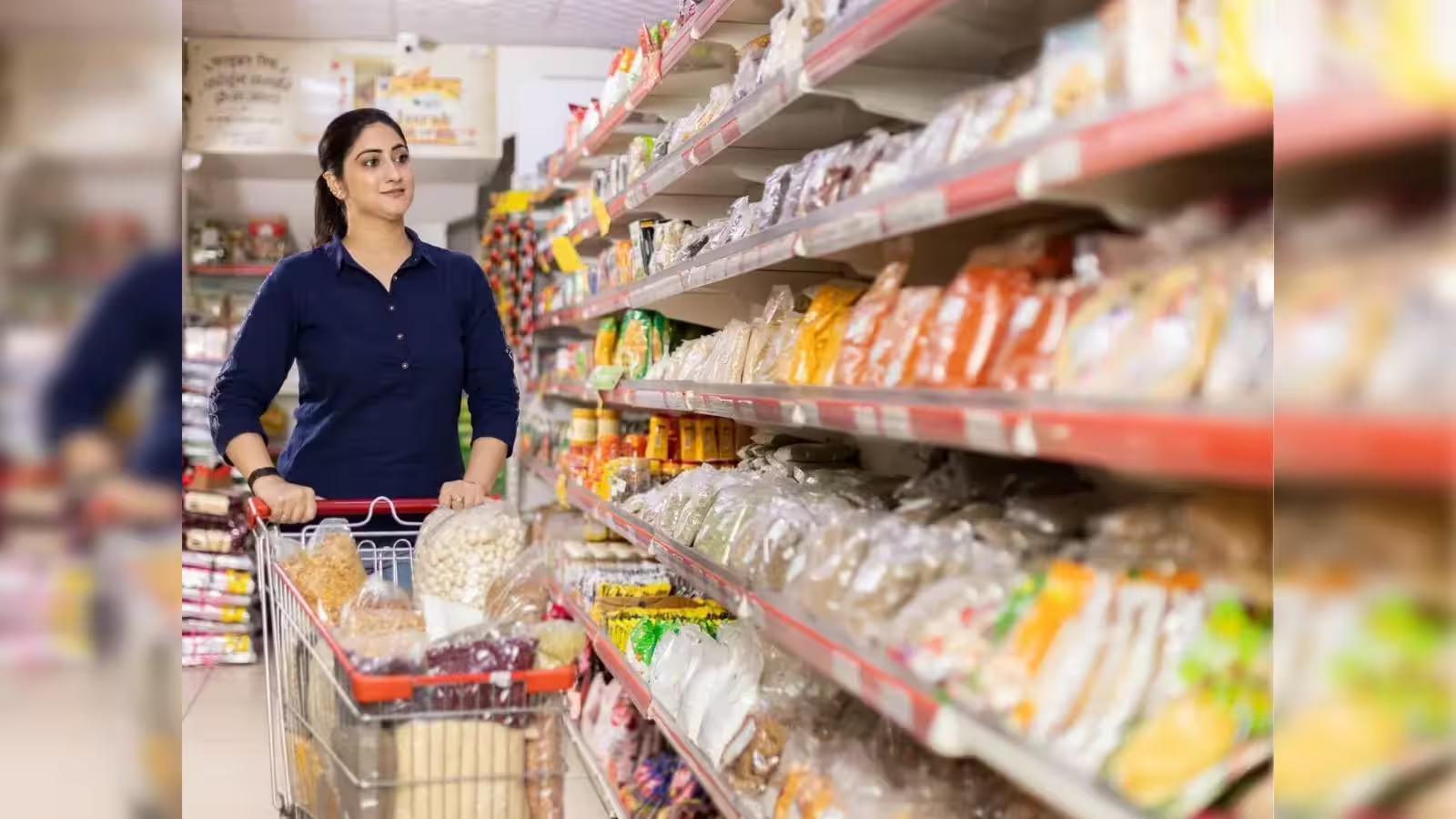
Sweetener and Cooking Oil Spikes Put Heavy Financial Burden
Root Causes of the Price Surge
Domestic Crop Losses: India’s domestic sugar output for the 2025–26 season was downgraded from an initial estimate of 343 lakh metric tonnes (LMT) to around 306 LMT due to heavy rain, waterlogging, and diseases like Red Rot in major producing belts.
Festive Demand Surge: Demand spiked sharply ahead of the festive season (Onam, Raksha Bandhan, and upcoming Diwali). With lower carryover stocks in states like Maharashtra and Karnataka, ex-factory rates rose quickly, translating to retail price spikes of Rs 8 to Rs 15/kg across major cities.
Global Sugar Shortfall: Internationally, global sugar supplies tightened into a projected 33 LMT deficit, pushing global raw sugar prices up by over 16% (from $474 to $552 per tonne within two months).
Edible Oil: Import Reliance and Supply Chain Pressures
High Import Dependence: India imports over 55% to 60% of its total edible oil requirement. Sunflower oil originates largely from the Black Sea region (Ukraine/Russia), soybean oil comes from Brazil and Argentina, and palm oil comes from Indonesia and Malaysia.
Currency Depreciation and Freight Costs: A weaker Indian Rupee, combined with elevated ocean freight rates and higher maritime insurance premiums due to geopolitical conflicts and route detours, significantly raised the landing cost of imported oil.
Global Biofuel Diversion: Major exporting nations like Indonesia diverted more crude palm oil toward domestic biofuel mandates, reducing the volume available for international food supply and driving up global prices.
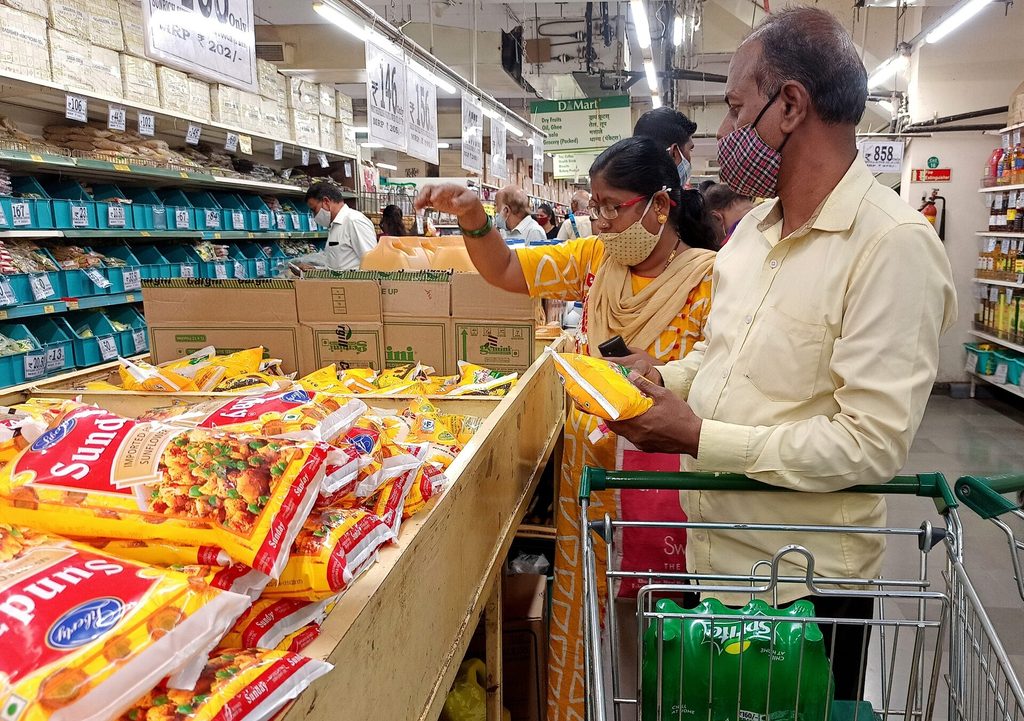
Global and National Conditions
While international crises like the ongoing Black Sea supply disruptions play a background role in global commodity sentiment, the recent price spike is rooted in specific structural and seasonal factors. For sugar, a severe crop revision drove the price surge. Domestic production estimates for the current season were cut by nearly 37 lakh metric tonnes (LMT)—from an initial forecast of 343 LMT down to around 306 LMT—due to crop diseases like Red Rot, insect pests, and severe waterlogging caused by unseasonal rains in major growing belts such as Maharashtra and Karnataka.
This yield cut, combined with low sugar recovery rates and a sharp surge in festive season demand across India, created localized supply squeezes. Internationally, a projected global sugar deficit of 33 LMT and adverse weather conditions in Brazil pushed global raw sugar prices up by more than 16% in under two months, limiting domestic options to cool prices through immediate open-market imports without duty relief. For edible oil, the price hike of Rs 15 to Rs 20 per pack reflects India’s high structural import reliance, with the country importing roughly 55% to 60% of its total edible oil requirements.
Global import prices for crude palm oil, soybean oil, and sunflower oil climbed 19% to 23% year-on-year. This global price surge was compounded by supply chain bottlenecks in the Black Sea and Red Sea regions, elevated ocean freight rates, and Indonesian policies diverting crude palm oil toward domestic biofuel mandates. Domestically, a depreciating Indian Rupee further inflated the landed cost of imported oil, while concerns over uneven domestic oilseed production prevented local supplies from cushioning the international price shock.
Impact Across Economic Classes
Below Poverty Line (BPL) Families: Subsidized rations under schemes like the Public Distribution System (PDS) cushion basic calorie needs, but discretionary open-market purchases of edible oil and sugar strain household cash flow.
Middle & Upper-Middle Class: Essential food items form a recurring baseline in monthly household budgets. Unplanned surges of 15% to 25% across multiple cooking staples lead to noticeable food inflation, forcing households to reallocate discretionary spending.
The Government’s Response and Action Plan
The Ministry of Consumer Affairs and the Central Government have announced several targeted interventions:
1. Duty-Free Sugar Imports: The government opened a duty-free import window for up to 10 LMT (1 million tonnes) of raw sugar to augment domestic stocks before the upcoming crushing season.
2. Export Ban & Quota Management: Overseas shipments of raw and refined sugar remain halted to prioritize domestic availability.
3. Stock Limits & Anti-Hoarding Rules- Under the Essential Commodities Act, stock limits (400 tonnes for sugar dealers) were imposed to curb hoarding and artificial scarcity. Bulk industrial consumers are restricted to holding no more than 15 days of inventory.
4. Early Crushing Timelines: Mills have been advised to begin the new sugarcane crushing season earlier (by mid-October) to ensure fresh supply reaches markets ahead of peak festive demand.

Editor, Prime Post
Ravindra Seshu Amaravadi, is a senior journalist with 38 years of experience in Telugu, English news papers and electronic media. He worked in Udayam as a sub-editor and reporter. Later, he was associated with Andhra Pradesh Times, Gemini news, Deccan Chronicle, HMTV and The Hans India. Earlier, he was involved in the research work of All India Kisan Sabha on suicides of cotton farmers. In Deccan Chronicle, he exposed the problems of subabul and chilli farmers and malpractices that took place in various government departments.
Email: ravindraseshu7@gmail.com
Mobile: 9063718675