Loss of Wages and Disillusionment
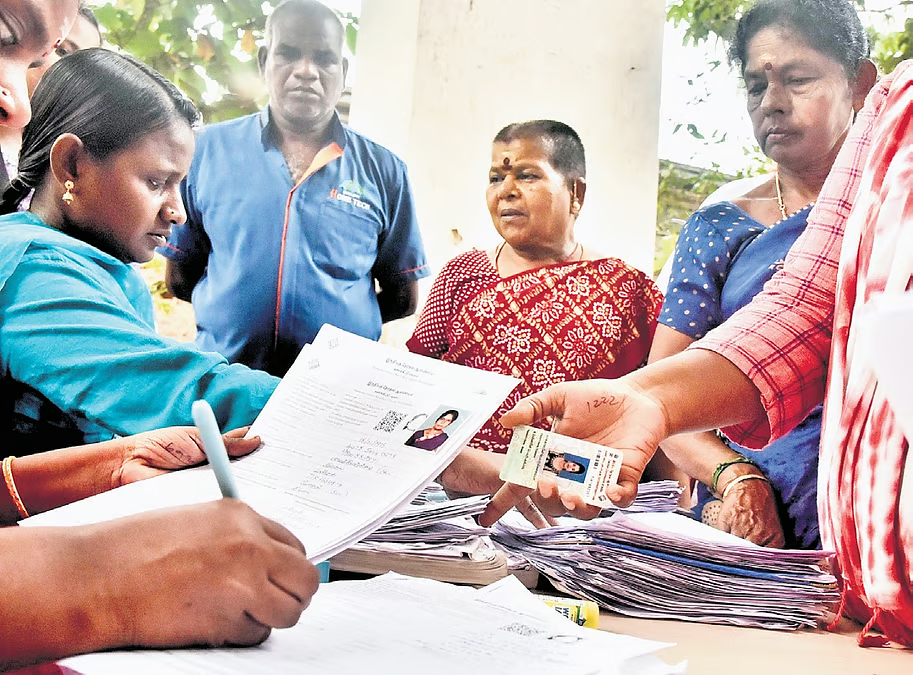
The ongoing Special Intensive Revision (SIR) conducted by the Election Commission of India (ECI) across Telangana has sparked widespread anxiety, turning into a bureaucratic nightmare for urban labor communities. What was envisioned as a routine verification exercise to clean electoral rolls has instead created severe disruption in the urban and peri-urban belts of Hyderabad, Rangareddy, Medchal-Malkajgiri, and Sangareddy districts. The brunt of this administrative push is being disproportionately borne by the working-class populace—masons, carpenters, rod-benders, domestic workers, and daily wage labourers—who risk losing their constitutional right to vote due to systemic inefficiencies and rigid documentation standards.
Failure of Resolution Mechanisms
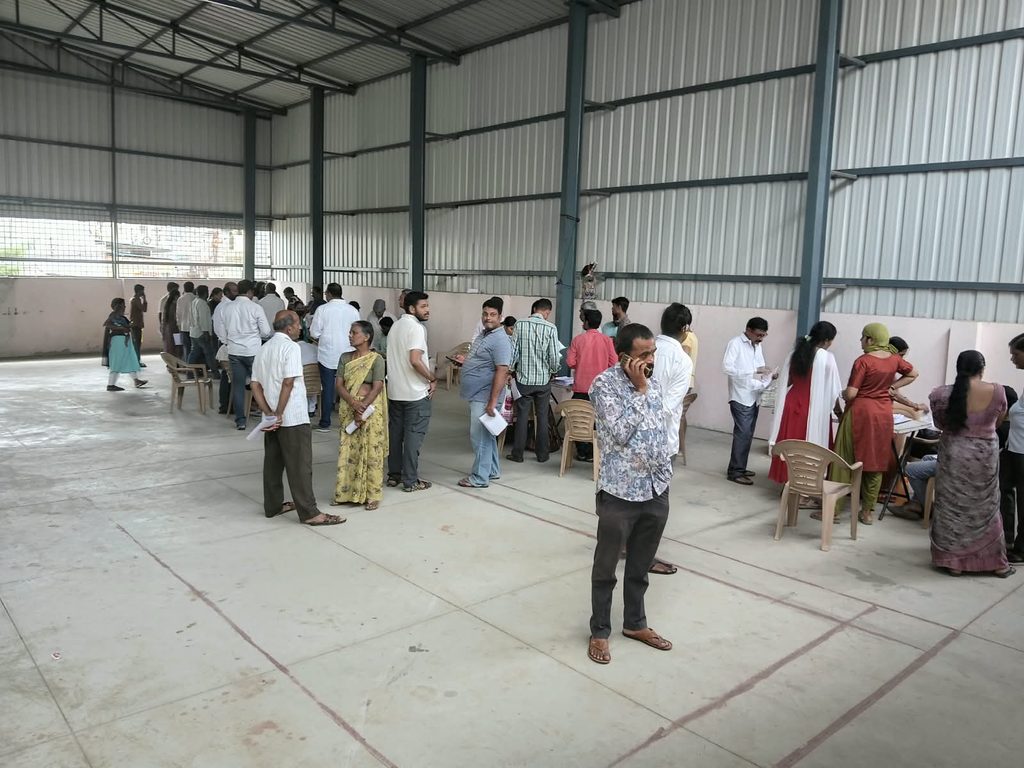
The crisis came to a head in the Peddamberpet Municipality area in Rangareddy district, illustrating the operational breakdown on the ground. Wage-seekers, whose names did not feature in older benchmark lists such as the 2002 electoral roll, were directed to appear at local election offices to present valid proofs of residence and identity. Many of these workers lost their daily wages to report to the offices at the designated time of 9 AM, carrying Form-6 applications and their available identification documents. However, they were greeted by empty desks and absent staff. After waiting for over three hours without any official coming forward to process their forms or resolve their queries, the frustrated applicants were forced to leave without submitting their documentation.
Disenfranchisement of Working-Class Voters
Local public representatives have sharply criticized the non-challant attitude of election authorities. Siddanki Krishna Reddy, a Congress councillor in Peddamberpet, described the experience as a nightmare for ordinary citizens, noting that officials routinely fail to arrive on time, treating a high-stakes constitutional exercise with casual indifference. Similar scenes of confusion and administrative delays have been reported across key urban assembly constituencies, including Uppal, L.B. Nagar, Ibrahimpatnam, Maheshwaram, Secunderabad, Sanatnagar, Quthbullapur, and Serilingampally.
Diminishing Hope Among the Working Class to Reclaim Voting Rights
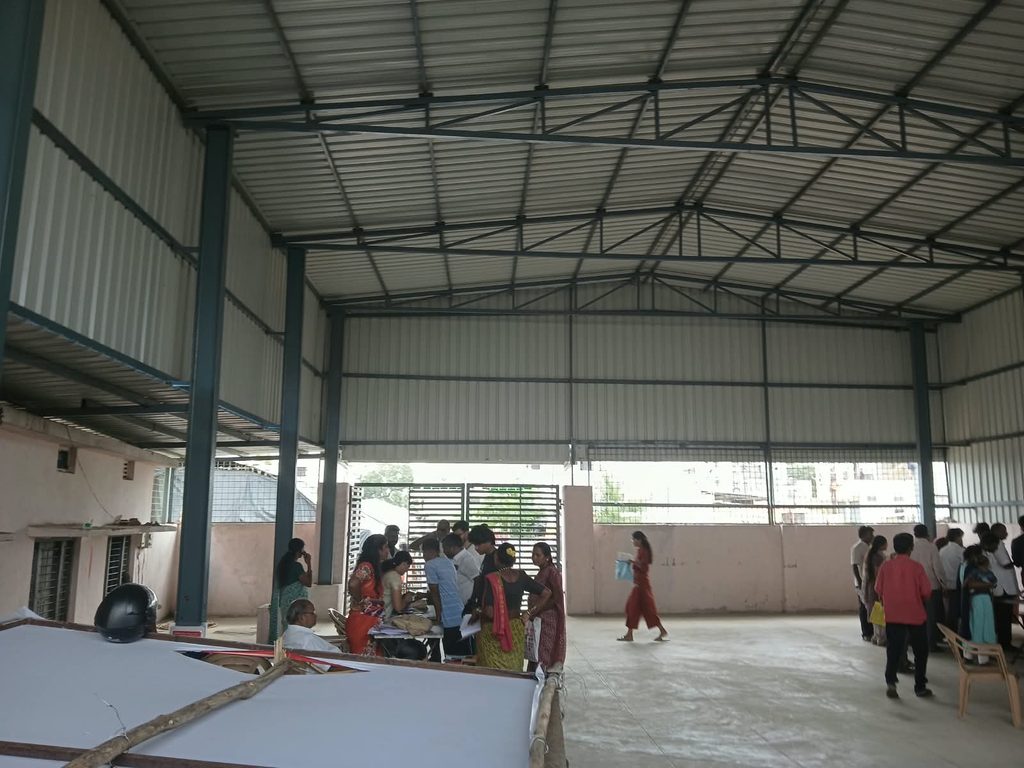
A major structural bottleneck in this revision process is the strict document hierarchy enforced by ground-level election staff. A significant portion of the working-class electorate relies primarily on their Aadhaar cards as their principal identity and address proof, lacking formal birth certificates or secondary school (10th class) pass certificates. Ground reports indicate that ECI staff have been reluctant to accept Aadhaar as standalone proof at this stage of verification. This stringency creates a paradoxical situation: many of these disenfranchised citizens are long-time residents who have regularly exercised their franchise in recent assembly, parliamentary, and municipal elections. As daily wage earners like P. Yadagiri, a washerman from Uppal, point out, the threat of sudden deletion instills deep disillusionment, threatening to strip marginalized citizens of their primary constitutional guarantee.
Widespread Electoral Roll Deletions
The scale of potential voter exclusion across the Greater Hyderabad region is unprecedented. Initial data from the draft phase of the SIR reveals that deletion rates in several urban constituencies are hovering between 35 and 40 percent. In Hyderabad district alone, digitization of verified records lagged significantly compared to rural districts. Neighboring industrial and residential hubs in Medchal-Malkajgiri and Sangareddy face similar hurdles, as rapid urban migration, shifting rental housing, and intense daily work hours make it difficult for migrant laborers to interact with Booth Level Officers (BLOs) during standard working hours.
If the ECI does not address these procedural deficiencies—by enforcing strict official accountability, streamlining desk verification, and accepting widely held documents like Aadhaar—the Special Intensive Revision risks disenfranchising lakhs of vulnerable citizens across Telangana’s core urban districts. Ensuring electoral purity must not come at the expense of accessibility for the very working class that forms the backbone of these cities.
Editor, Prime Post
Ravindra Seshu Amaravadi, is a senior journalist with 38 years of experience in Telugu, English news papers and electronic media. He worked in Udayam as a sub-editor and reporter. Later, he was associated with Andhra Pradesh Times, Gemini news, Deccan Chronicle, HMTV and The Hans India. Earlier, he was involved in the research work of All India Kisan Sabha on suicides of cotton farmers. In Deccan Chronicle, he exposed the problems of subabul and chilli farmers and malpractices that took place in various government departments.
Email: ravindraseshu7@gmail.com
Mobile: 9063718675