Questionable Equipment Criteria Call for Administrative Scrutiny
Flawed Tender Cycles at the Kallurugudem Factory
Critical Lapses and Restrictive Clauses in the Procurement Process
The oil-palm growers are up in arms to save the funds related the palm oil factories in Telangana particularly Kallurugudem Oilpalm factory in Khammam district. They allege that the bidding process was deliberately designed to favor a specific, closely linked contractor. Under the current rules, any bidder must either own or lease a major hot-mix asphalt plant located within 100 km of the work site. This requirement must be backed by a formal legal agreement and a distance certificate issued by an Executive Engineer to confirm the plant’s location and operational status.
The key question for any investigation is whether this strict condition was truly necessary for the entire project, or if a more open and fair requirement could have achieved the same result. Official figures show that road work accounts for only Rs.16 crores of the project, while general civil works make up the remaining Rs 11.55 crores. Given this balance, authorities must examine whether requiring such specialized equipment for a small part of the contract was justified or simply served to limit competition.
Palm Farmers Bear the Brunt of Procurement Lapses
The Telangana Co-operative Oilseeds Growers’ Federation Limited (TG Oilfed) is coming under increased scrutiny regarding the procurement and tender processes for civil and mechanical infrastructure across its expanding oil palm processing facilities. As the state accelerates oil palm cultivation, multi-crore tenders invited for factory expansions, maintenance, and civil works have drawn attention over restrictive eligibility criteria and public spending efficiency.
Concerns Over Restrictive Procurement Clauses
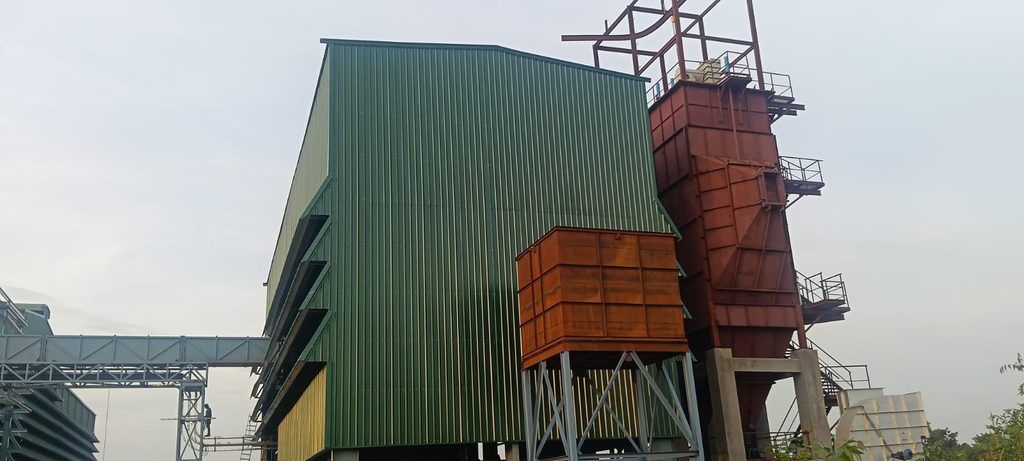
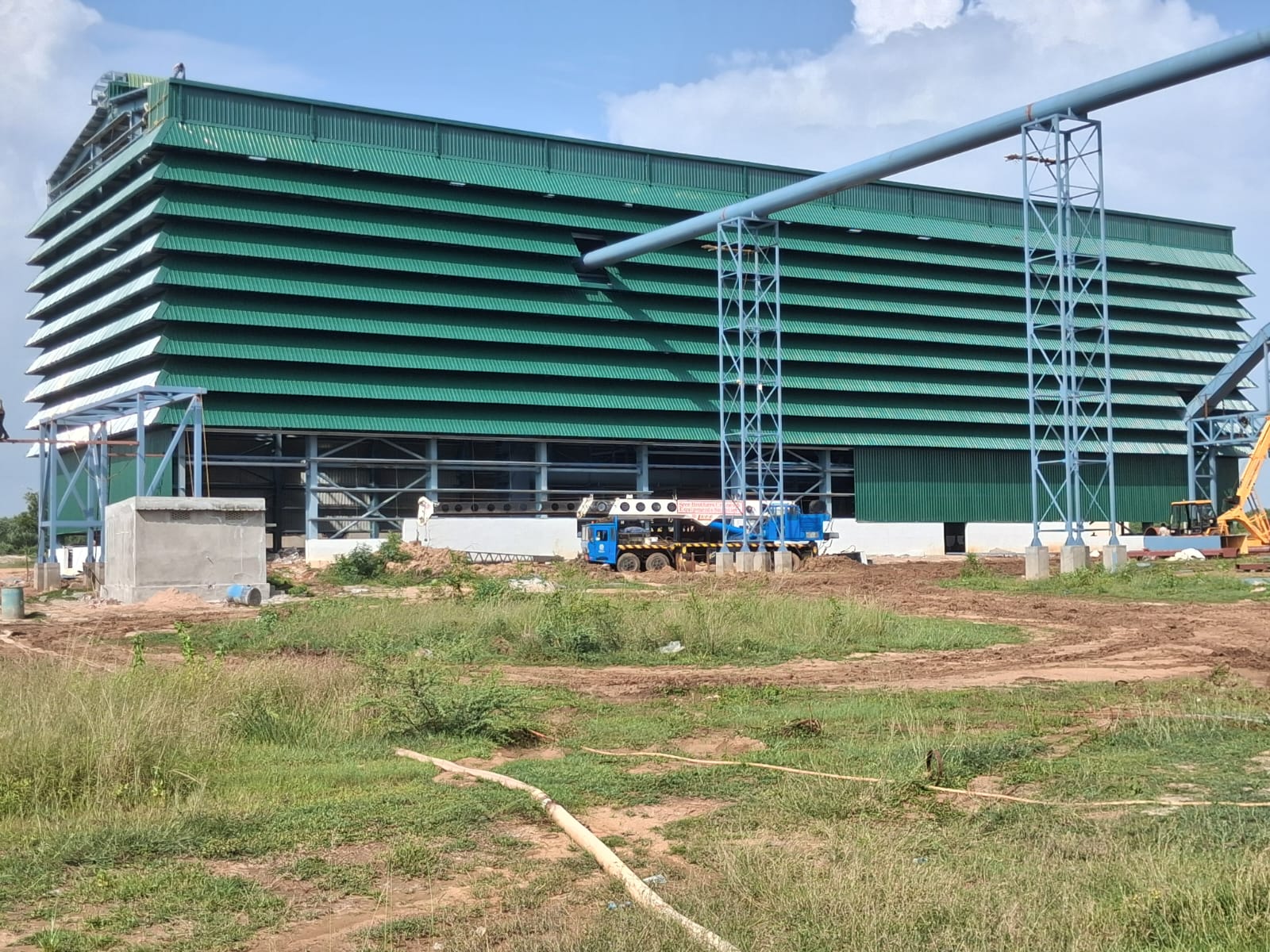
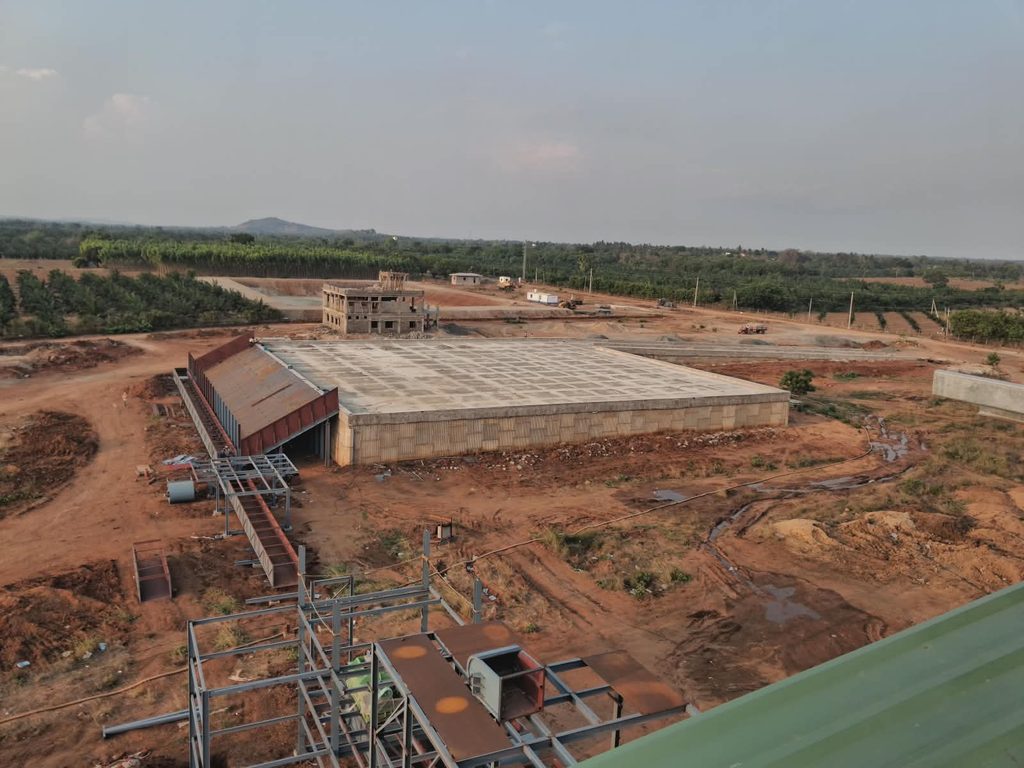
A primary focus of public and agricultural union discourse involves specific qualification clauses embedded in recent high-value tenders. Industry observers point to the recent procurement process for civil works at the Kallurugudem factory in Khammam District—encompassing road construction, water storage pond lining, compound walls, and overhead storage reservoirs—valued at approximately Rs14.72 crores.
Hot Mix Plant Requirement: Out of the total estimate of Rs 14.72 crores, road construction works account for roughly Rs 3.25 crores, while general civil works comprise the remaining Rs11+ crores. The tender criteria require participating bidders to possess a self-owned or leased 120 TPH Drum Mix or 100 TPH Batch Mix Hot Mix Plant certified by a designated Executive Engineer.
Impact on Bidding Competition: Stakeholders contend that applying specialized asphalt plant ownership criteria to a contract dominated by general civil works significantly narrows the pool of eligible contractors.
Procedural Gaps: Questions have also been raised regarding the administrative verification process, as the requirement specifies certification from an Executive Engineer—a position that is reportedly vacant within the organization.
Chronology of Tender Iterations (Kallurugudem Facility)
The procurement process for these works has undergone multiple calls within a short timeframe due to limited participation: The procurement process for the Kallurugudem facility underwent three distinct iterations in a brief timeframe due to participation challenges. The First Call (Tender ID: 716101), which ran from July 24, 2026, to August 7, 2026, yielded only two participating bidders and was subsequently cancelled at the technical bid stage due to insufficient competition.
Immediately re-floated, the Second Call (Tender ID: 724616) was active from August 7, 2026, to August 14, 2026; while it again attracted two bidders—with the lowest bidder (L1) quoting 2.06% below estimates and the second lowest (L2) quoting 3.6% above—senior officials ultimately cancelled this attempt as well. Finally, a Third Call (Tender ID: 727924) was issued from August 22, 2026, to August 27, 2026, drawing three contractors, though the core eligibility clauses remained unchanged throughout all three cycles.
Background and On-going Vigilance Oversight
This is not the first instance where tender conditions in TG Oilfed have sparked debate. Previous tenders across units in NerreMetta (Siddipet), Kallurugudem (Khammam), and Apparaopeta & Aswaraopeta (Bhadradri Kothagudem)—totaling around Rs 70 crores—previously required a mandatory “Site Visit Certificate” issued by local factory managers.
Tumburu Maheshwar Reddy, farmers’ welfare association delegate said that this requirement inadvertently restricted fair bidding access, leading to cost overruns estimated near Rs 15 crores. “These improper procurement practices are currently subject to review by the state Vigilance Department. Farmer union representatives and governance watchers emphasize that as state-backed agricultural infrastructure scales up, standardizing tender norms and removing non-essential qualification barriers remain critical to ensuring competitive pricing, transparency, and the optimal utilization of public funds” he said.

Principal Correspondent, Prime Post
Adapa Dora, journalist cum farmer, proved his excellence in both the fields. While working in Andhra Bhoomi (Telugu Paper) and Deccan Chronicle, he forced a famous seed company to pay compensation to the maize farmers for crop loss due to the supply of spurious seeds to them. He wished to maintain harmony between tribals and non-tribals in the mandals of Bhadradri-Kothagudem district for the prosperous of both groups.
Email: adapa.dora@gmail.com
Mobile: 9441332322




Insightful