The Great Electoral Roll Exclusion
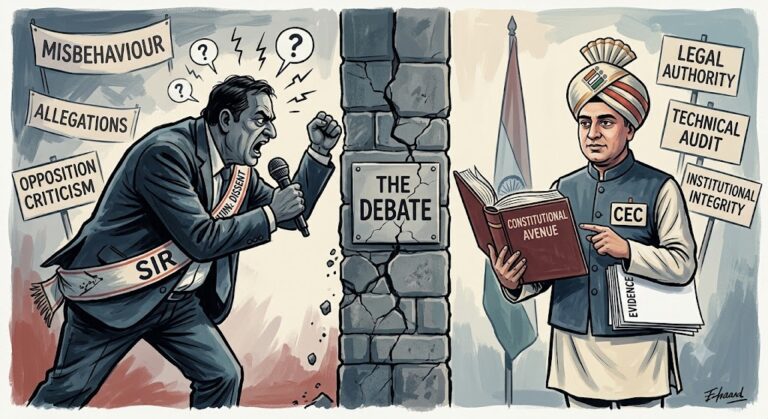
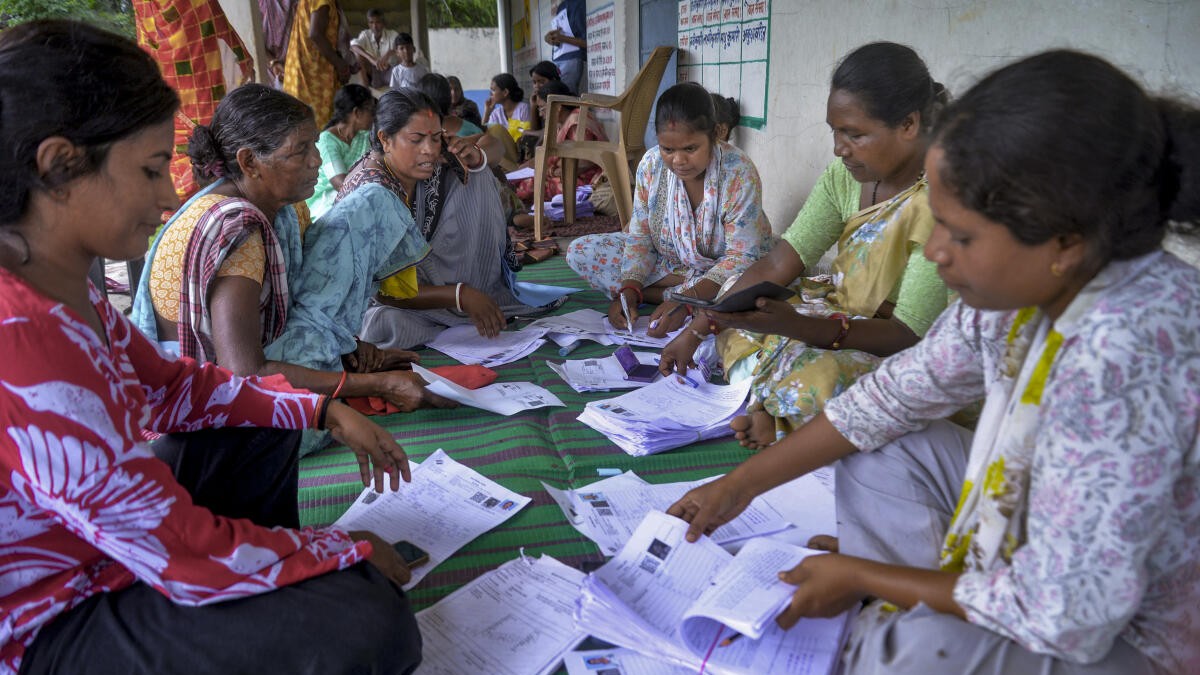
For millions of citizens, the fundamental right to vote is a given until bureaucratic discrepancies turn them into political ghosts overnight. The ongoing Special Intensive Revision (SIR) by the Election Commission of India (ECI) in Telangana has exposed deep structural flaws in electoral rolls. The most pressing mystery haunting this exercise is a profound contradiction: How can a citizen who successfully cast their vote in the 1999, 2004, and 2024 elections suddenly find their name missing from the 2002 and 2026 electoral rolls?
Despite these glaring discrepancies, officials have offered no answers, leaving thousands of legitimate voters trapped in a bureaucratic labyrinth.
The Paradox of the Missing Votes
The anomalies stretch across decades, creating an absurd reality for thousands of voters. Approximately three percent of voters were shocked to find their names absent from the 2002 voter list—yet these exact same individuals seamlessly cast their votes in the 2004 elections.
Fast forward to the current exercise, and history is repeating itself. Voters who actively participated in the 2024 Lok Sabha and assembly elections are once again discovering that their names are missing from contemporary rolls.
When bewildered citizens approach election officials for answers, ECI representatives offer silence rather than accountability. Instead of explaining how databases failed to track consistent voters, officials simply advise citizens to fill out Form-6 to register anew.
Re-registering is far from simple. Voters must navigate a burdensome document verification process requiring submission of valid papers such as an SSC certificate, passport, or caste certificate. Meanwhile, identification documents like [Aadhaar Redacted] are treated as secondary options, requiring voters to actively convince skeptical election officials of their identity just to stay on the rolls.
Discouraging New Registrations Amid Mass Deletions
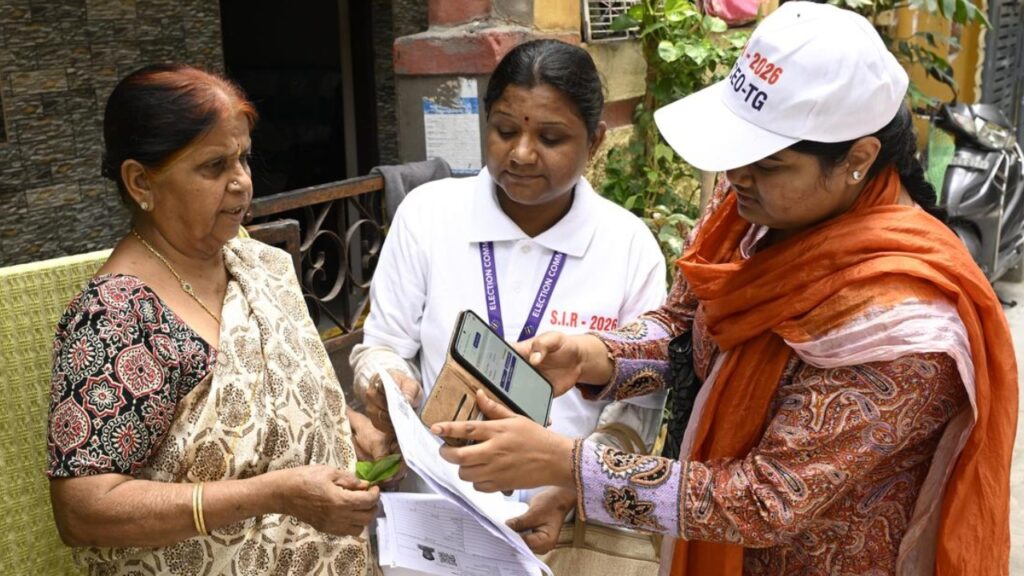
Compounding the problem of missing historical data is a systemic roadblock facing new voter registrations during the current SIR. Although the ECI claims provisions exist for new registrations, field-level enforcement tells a very different story.
District collectors and field staff have reportedly discouraged new applications, advising citizens to apply after the SIR process concludes. Speaking on the condition of anonymity, a district official revealed.
“The ECI staff working on SIR may not take serious note of new voter registration due to internal constraints. The ECI, which stressed vetting existing rolls, did not give priority to new registrations in the present SIR. Such indications were given to the field staff indirectly, but not openly.”
Compounding concerns, Form-6 voter details were allegedly withheld by Electoral Registration Officers (EROs) following the completion of the first phase of SIR. With officials issuing notices to roughly 60 lakh voters whose names were omitted from historical 2002 rolls, the lack of transparency regarding why consistent voters are being dropped remains a glaring concern.
Key Data and Digitization Progress in Telangana
The scale of the current revision highlights massive shifts in the state’s voter database:
Electorate Coverage: Out of Telangana’s total 3.38 crore registered electors, 78.14% (over 2.64 crore forms) were successfully digitized by the August 10 deadline.
Mass Flagging and Deletions: Chief Electoral Officer C. Sudharshan Reddy highlighted that nearly 71 lakh electors (~21% of the total electorate) have been flagged under the uncollectible category for potential deletion.
Breakdown of Flagged Entries:
Category | Estimated Number of Electors |
Permanently Shifted | ~43 lakh |
Absent / Untraceable | ~10.3 lakh |
Deceased Electors | ~9.1 lakh |
| Duplicate Entries | ~6.6 lakh |
Conclusion
As Telangana’s SIR process marches forward, the core questions remain unanswered. If citizens can faithfully participate in democratic elections spanning decades, why are systemic database failures erasing them from electoral rolls? Until the ECI addresses the glaring gaps in historical continuity and prioritizes seamless registration rather than bureaucratic deterrence, the democratic rights of thousands of legitimate voters remain at risk.
Editor, Prime Post
Ravindra Seshu Amaravadi, is a senior journalist with 38 years of experience in Telugu, English news papers and electronic media. He worked in Udayam as a sub-editor and reporter. Later, he was associated with Andhra Pradesh Times, Gemini news, Deccan Chronicle, HMTV and The Hans India. Earlier, he was involved in the research work of All India Kisan Sabha on suicides of cotton farmers. In Deccan Chronicle, he exposed the problems of subabul and chilli farmers and malpractices that took place in various government departments.
Email: ravindraseshu7@gmail.com
Mobile: 9063718675