Navigating the Monsoon Deficit
The current monsoon gap has disrupted the seasonal rhythm across
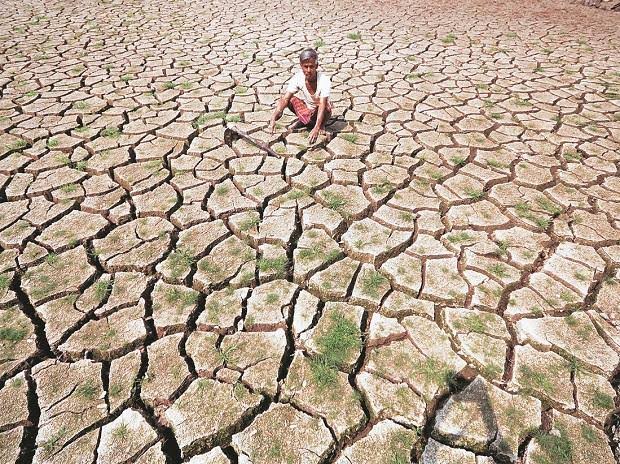
The Southwest Monsoon, the lifeblood of South Asian agriculture, has faltered across the Telugu states of Telangana and Andhra Pradesh. Entering mid-season, both states are grappling with a severe rainfall deficit driven by unfavorable oceanic and atmospheric conditions, including the persistent influence of El Niño. Fields that ought to be lush with early Kharif green remain parched, and in many rural mandals, the earth has not even been fully soaked once this season.
This protracted dry spell poses grave threats to agricultural stability, drinking water reserves, and rural livelihoods. However, through coordinated government intervention and adaptive farming strategies, there remains a path forward to mitigate the crisis.
The Reality on the Ground: Farmers and Urban Centers Under Strain
Telangana: The state has recorded a rainfall deficit exceeding 30–35% compared to seasonal averages, with over 25 districts falling under the “Deficient” or “Large Deficient” categories. Regions like undivided Warangal, Hanumakonda, Medchal-Malkajgiri, and parts of Nalgonda are among the most severely impacted. Reservoirs stand at or near their Minimum Draw Down Levels (MDDL), forcing the state government to prioritize drinking water over irrigation releases.
Andhra Pradesh: Over 400 mandals across Rayalaseema and Coastal Andhra are facing acute moisture stress. Key rainfed crops—including groundnut, cotton, pulses, and chili—are wilting in major agricultural belts such as Anantapur, Sri Sathya Sai, and Annamayya districts. Delayed sowing and scorched saplings threaten widespread financial losses for tenant and smallholder farmers.
The crisis extends beyond rural acreage. Major urban centers, including Hyderabad, Vijayawada, and Visakhapatnam, face growing pressure on municipal supply systems, prompting city administration bodies to prepare water-tanker contingencies and monitor reservoir drawdowns closely.
Is There Any Hope for Rain?
While mid-July forecasts from the India Meteorological Department (IMD) and the Telangana Development Planning Society (TGDPS) indicated weak monsoon activity due to low-pressure systems drifting toward central and western India, atmospheric dynamics remain fluid. Late July and early August often bring localized convective thundershowers and fresh monsoon troughs off the Bay of Bengal. While heavy, widespread downpours may remain elusive in the immediate days ahead, isolated spells offer crucial opportunities to capture runoff and sustain standing crops through targeted management.
Action Plan: What Governments Are Doing and Must Do
Both state administrations have initiated emergency measures and district-level contingency plans. To navigate the coming weeks effectively, government efforts must focus on three primary pillars:
Water Allocation and Contingency Irrigation
Governments in both states have activated disaster management committees and allocated emergency contingency funds. Irrigation authorities must strategically release water from canals—such as the Handri-Neeva and Tungabhadra systems in AP or Godavari lifting networks in Telangana—in controlled cycles to save withering rainfed crops without compromising urban drinking supplies.
Seed Subsidies and Input Support
With traditional crop windows closing, agricultural departments are deploying alternative, short-duration crop seeds (e.g., millets, pulses, and forage crops). State governments must ensure that subsidized seeds, bio-fertilizers, and micro-irrigation kits reach Rythu Bharosa Kendras (RBKs) and local agricultural offices without supply chain delays.
Financial Safety Nets and Relief Measures
To prevent economic distress, governments must accelerate crop insurance assessments under PMFBY and state-backed schemes. Restructuring agricultural loans and ensuring timely disaster relief payouts will provide vital liquidity to small farmers struggling with unviable sowing expenses.
Advisory for the Farming Community: Practical Strategies
For farmers facing unpredictable moisture levels, adopting climate-resilient and adaptive agricultural practices is essential to minimize yield loss:
To build resilience against prolonged dry spells, farmers can implement several targeted field strategies to protect their crops and yield. First, crop diversification is critical; farmers should consider pivoting away from water-intensive paddy and re-sowing with short-duration, drought-tolerant alternatives like red gram, green gram, bajra, or foxtail millet. To preserve what little moisture exists in the ground, practicing soil moisture control by applying organic mulch or crop residues around plant roots helps significantly reduce evaporation losses. When moisture becomes critically low, applying protective irrigation via farm ponds, borewells, or drip systems during essential crop growth stages can save standing crops from drying out completely. Finally, prioritizing micro-nutrient care through foliar sprays of 1% potassium chloride (KCl) or urea provides essential nutrient support, helping crops better withstand moisture stress and prevent premature wilting.
Shift Away from High-Water Crops: Where initial sowing failed, farmers should avoid re-sowing water-heavy paddy or late cotton. Short-duration pulses (like black gram or green gram), oilseeds (like sunflower), and climate-resilient millets require significantly less water and can still yield a viable harvest late in the season.
Adopt Protective Spraying: For crops currently wilting under heat, foliar sprays of 1% potassium chloride (KCl) or water-soluble fertilizers can boost drought tolerance and prevent premature crop death.
Practice Moisture Conservation: Techniques like broad bed furrowing, inter-cropping, and mulching help retain precious soil moisture. Farmers with access to farm ponds or borewells should prioritize micro-irrigation (drip or sprinkler systems) over flood irrigation to maximize water efficiency.
Stay Informed: Regularly check weather updates from the IMD, Krishi Vigyan Kendras (KVKs), and state agricultural advisories before investing in fresh inputs or fertilizers.
Looking Ahead
The current dry spell in Telangana and Andhra Pradesh serves as a stark reminder of changing climate patterns and monsoon volatility. While faith and community prayers reflect the deep human desire for relief, tangible recovery depends on proactive policy execution, efficient water management, and the adaptability of the farming community. By combining timely government support with smart, drought-tolerant farming practices, both states can protect rural livelihoods and navigate the remainder of the monsoon season.

Editor, Prime Post
Ravindra Seshu Amaravadi, is a senior journalist with 38 years of experience in Telugu, English news papers and electronic media. He worked in Udayam as a sub-editor and reporter. Later, he was associated with Andhra Pradesh Times, Gemini news, Deccan Chronicle, HMTV and The Hans India. Earlier, he was involved in the research work of All India Kisan Sabha on suicides of cotton farmers. In Deccan Chronicle, he exposed the problems of subabul and chilli farmers and malpractices that took place in various government departments.
Email: ravindraseshu7@gmail.com
Mobile: 9063718675