Beyond the Ballot: The Crisis of Institutional Neutrality in West Bengal
Some exit polls have given West Bengal to the BJP while some others to the TMC. If BJP wins, it would be thanks to the Election Commission and the Supreme Court of India. If TMC wins it will be seen as a victory despite the manipulation by the EC with the indirect help of SC. Either way, the EC and SC will have to explain their conduct. The two institutions have raised questions that refuse to go away.
The Institutional Shadow over the Mandate
Unlike in other poll-bound states where the EC conducted Special Intensive Revision (SIR), West Bengal was given a very special treatment by introducing a new element called ‘logical discrepancies.’ Under this category, created especially for West Bengal any spelling mistake in a name is considered as a discrepancy and the name is deleted from the voters list. 8,000 micro – observers were sent in addition to the deployment of large number of security forces (Some 2.5 lakh personnel). In Bihar there were apprehensions at the deletion of lakhs of voters and the fact that a large number of documents were sought to be produced by the voters. It was thought that a sort of citizenship verification was being done by the EC which was not its job. And the burden of proof was laid on the hapless voter. At this time the apex court had intervened and asked the EC to accept Aadhar card as evidence. One would have thought that the EC would not create such problems in the states where SIR has to be done in future. Instead, it brought new torturous ways to bother the voters of West Bengal. The SC appeared to be helping the EC in delaying the verification.
Adjudication or Exclusion? The Numbers of Disenfranchisement
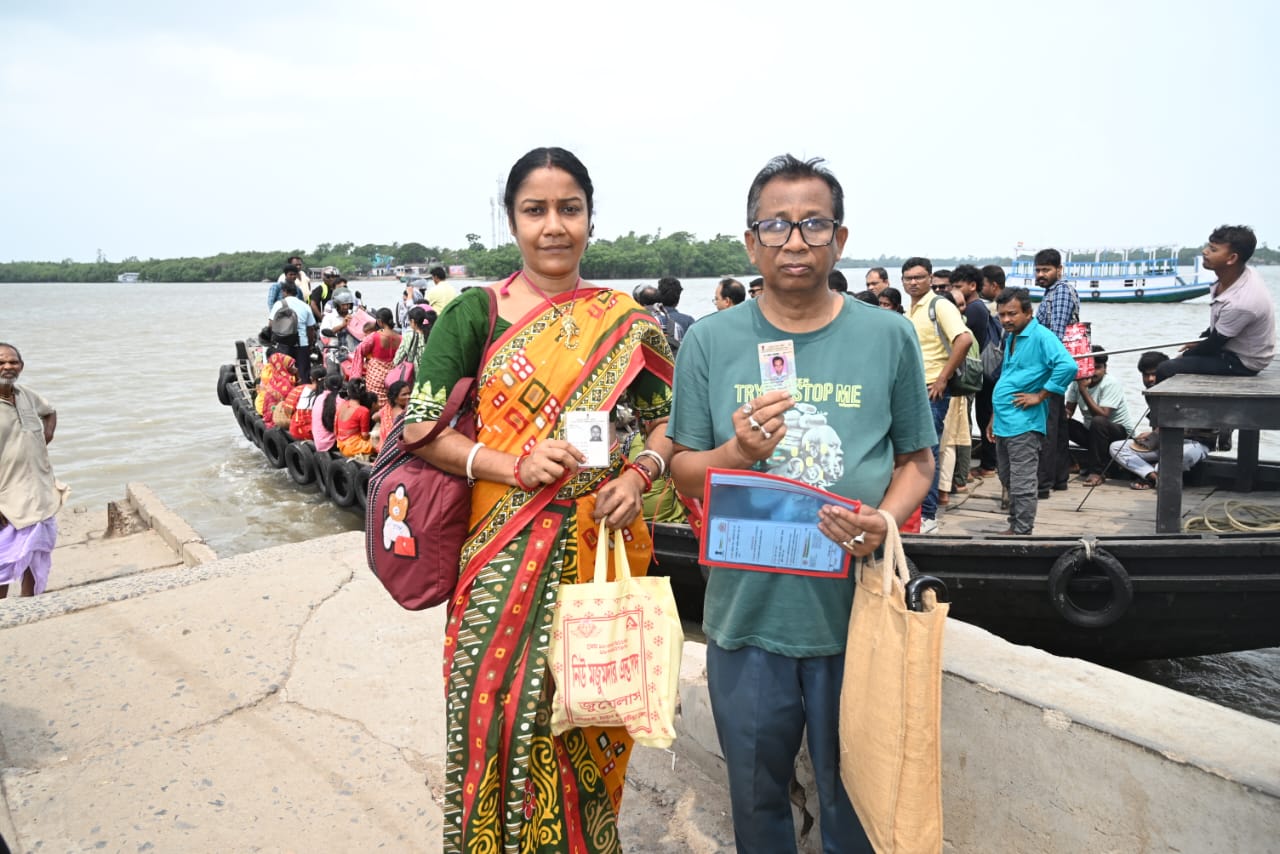
Overall 91 lakh names have been deleted from the voters list. About 58 lakh voters were deleted in the first round. In the second round around 60 lakh voters were put under adjudication. In between the two decisions about 5 lakh voters were deleted. In fact, if SIR was not there the number of voters in West Bengal would have been 7.7 crore. Because of SIR the number has come down to 6.8 crore. In the ‘adjudication category,’ 27 lakh names have been deleted. The Supreme Court had intervened and set up adjudication tribunals. Thirty nine lakhs voters have applied to 19 appellate tribunals. The apex court did not give any time limit to the tribunals though the polling dates have been fast approaching. The appellate tribunals had cleared 139 names in time for the first phase and 1468 names for the second phase. This number is ridiculously low compared to the voters who approached the tribunals. As a result about 27 lakh voters, mostly from Muslim dominated districts, were left out as mute spectators while others voted in the two phases of polling.
The EC as a neutral umpire and the SC as the final custodian of the citizens rights and their freedom to exercise their preference in the elections have been found wanting. More than any other state, the SIR process has been made very difficult in West Bengal.
A Consultative Future: Engaging the Intellectual Vanguard
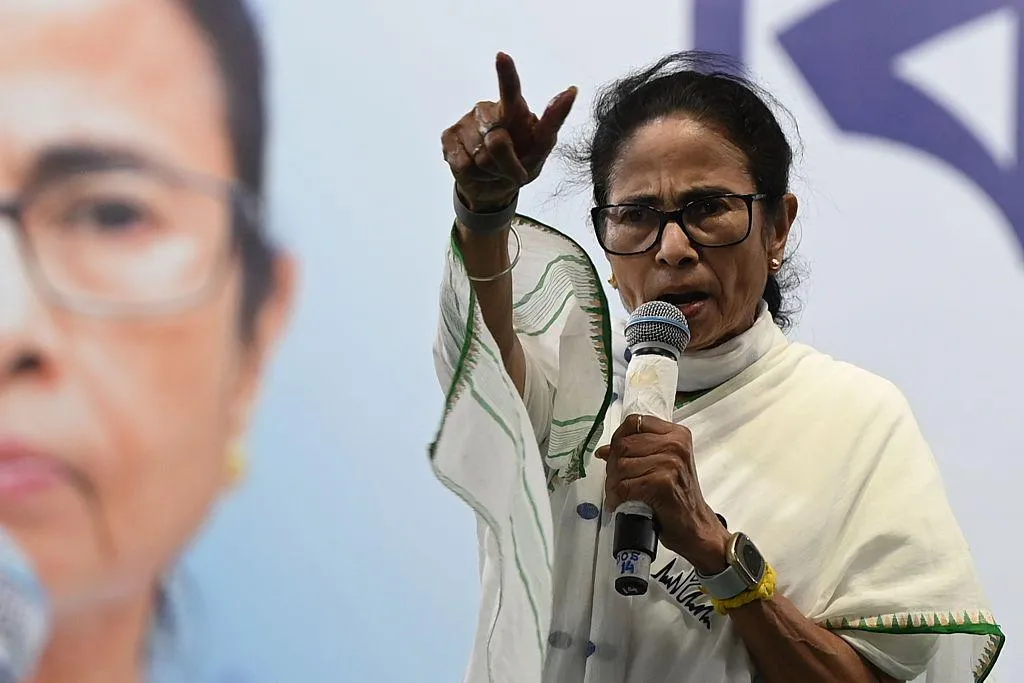
In the course of the elections and her historic fight as chief minister of West Bengal against Modi-Amit Shah duo, Mamata Banerjee has emerged as the most efficient and charismatic leader. She has a larger duty now. Whether she wins or loses, she has to take up the concerns of the citizens about the Election Commission and the Supreme Court, not to speak of the BJP-led NDA, at the national level. She has to play a stellar role in the national politics by organising the people. Soon after May 4 when the results would be announced, Mamata has to meet at least three citizens. They are former chief election commissioner Dr. SY Quraishi, pubic activist Dr. Yogendra Yadav and noted economist and political commentator Dr. Parakala Prabhakar. She has to sit with them to understand the role played by the EC in 2024 general elections, subsequent elections in Haryana, Maharashtra, Bihar and in the four assembly elections that just concluded.
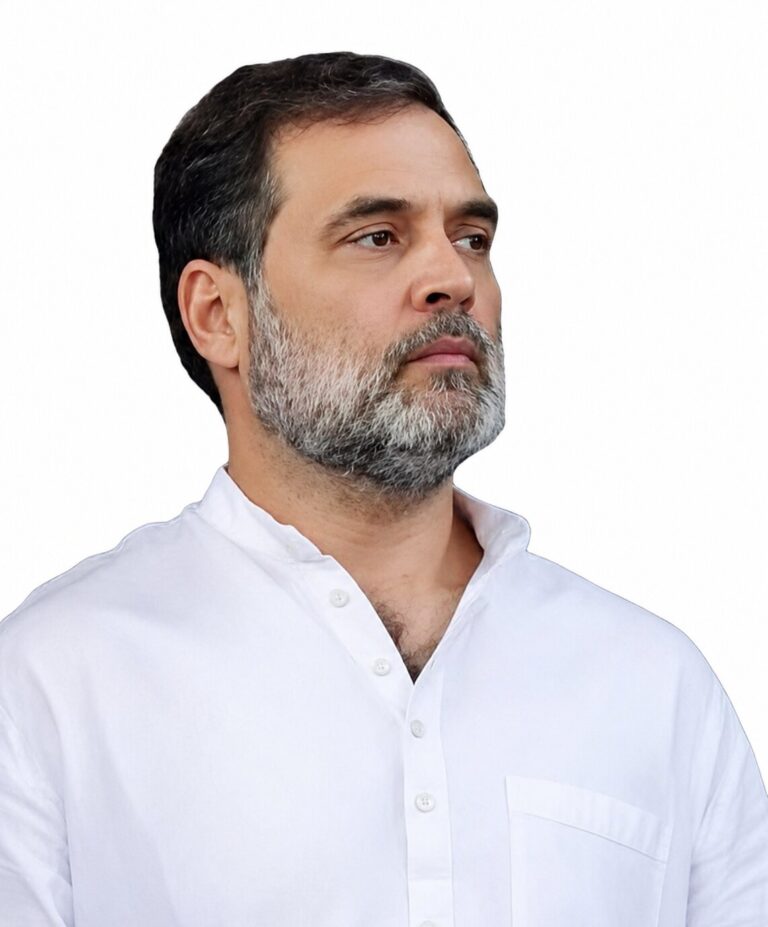
There is no point in expecting the judiciary to help the devastated citizens. The only possible way is to mount a non-violent public movement in the country highlighting the role played over the years by the NDA, EC, SC, ED and CBI. Rahul Gandhi, the Congress leader, who appears sincere and has been raising the right issues , is not able to build a nationwide movement. If Mamata can enlist the cooperation of Rahul Gandhi, Akhilesh Yadav, Stalin and others, it will be the best move forward. Both Rahul and Mamata have to think beyond West Bengal and their individual party interest to forge unity in the interest of the country and democracy.
Prominent Journalist
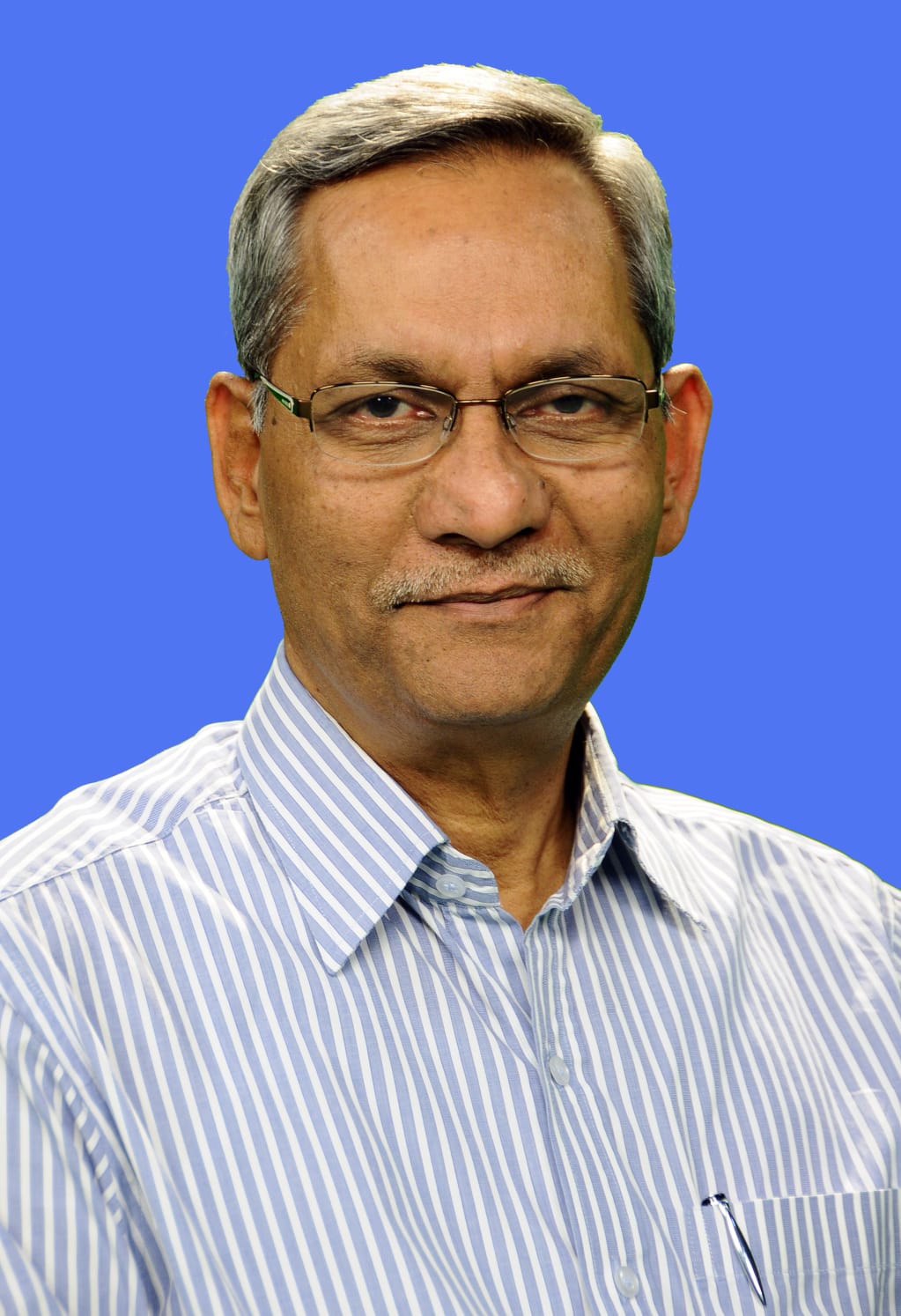
Dr. K. Ramachandra Murthy is a versatile journalist with a distinguished career. Dr. Murthy began his extensive career with Andhra Prabha of The Indian Express group in Bengaluru. He was editor of Udayam, Vaartha and Andhra Jyothy. Dr. Murthy founded and edited HMTV news channel and The Hans India, an English newspaper. He was also editorial director of the Telugu newspaper, Saakshi. He was awarded Ph. D for his research work in rural reporting. Dr. Murthy’s five decades in journalism showcases his influential roles across both print and electronic media. He wrote the political biography of NTR published by Harper Collins.
Email: murthykondubhatla@gmail.com
Mobile: 9908002211