- Internal Fractures in the Opposition: Decoding Rahul Gandhi’s Critique of the TMC
The West Bengal Assembly elections of 2026 have reached a critical juncture following the conclusion of the first phase on April 23, 2026. As the state moves toward the second phase, the political atmosphere is charged with high-stakes rhetoric and record-breaking participation.
Phase 1: High Stakes and Rival Claims
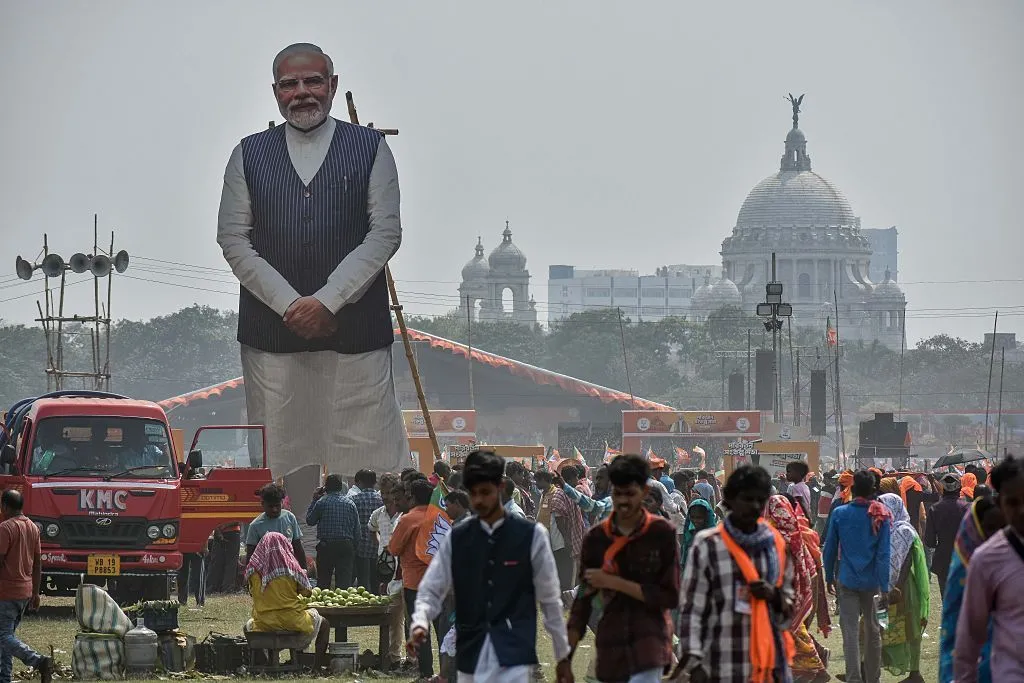
The first phase of the elections, covering 152 constituencies, saw a historic and staggering voter turnout of approximately 92.7%. This massive participation has been interpreted differently by the primary contenders: BJP’s Perspective: Prime Minister Narendra Modi and the BJP leadership have termed this record turnout a “wave of change.” They argue that the high volume of voters signifies a silent revolution against the incumbent government, specifically citing public anger over corruption and the “RG Kar” hospital incident.
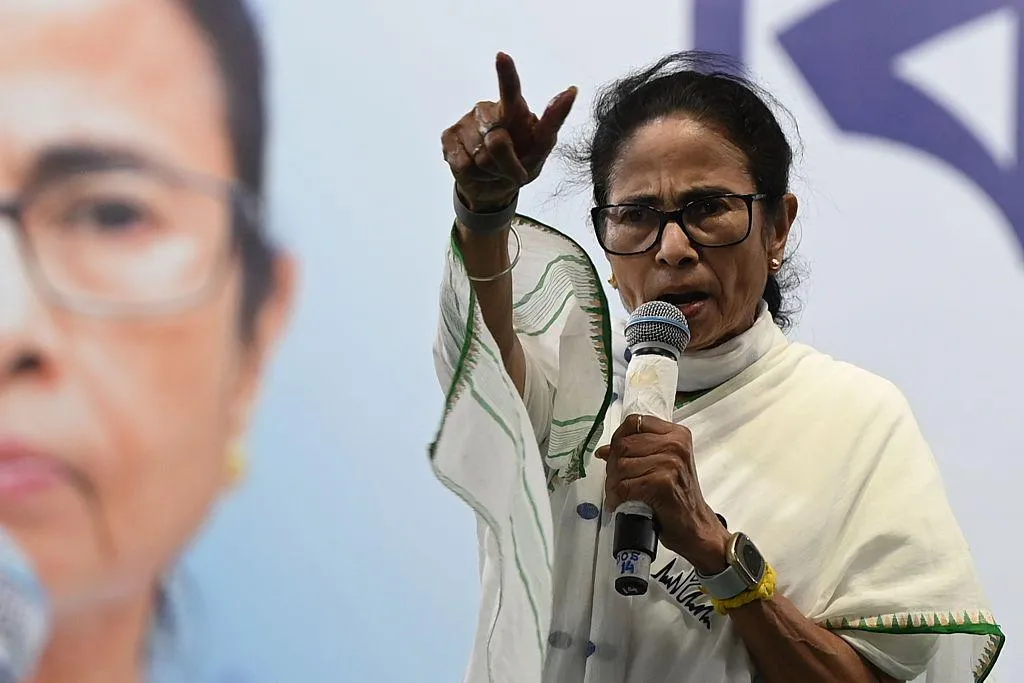
TMC’s Perspective: The Trinamool Congress (TMC), led by Mamata Banerjee, views the high turnout as a validation of their welfare schemes (such as Lakshmir Bhandar). They maintain that their grassroots machinery has successfully mobilized their core base, particularly women and rural voters, to protect the “identity of Bengal.”
What Neutral Agencies Say: Most neutral political analysts and poll observers remain cautious. While a 92% turnout is often historically associated with anti-incumbency, in West Bengal, it frequently reflects highly efficient party mobilization. Agencies suggest that while the BJP has made significant inroads in North Bengal and tribal belts, the TMC’s welfare “safety net” remains robust in rural South Bengal. The consensus is that the first phase was a neck-and-neck battle, with neither party achieving a clear knockout blow yet.
Phase 2: The Upcoming Battleground
The second phase, scheduled for April 29, 2026, involves 140 seats and shifts the focus toward the urban and semi-urban hubs, including parts of South 24 Parganas and the Kolkata outskirts. Security is the primary concern. The Election Commission has deployed over 160 motorcycle patrols and extensive CAPF (Central Armed Police Forces) units to prevent the “stray violence” reported in Murshidabad and Birbhum during Phase 1.
The Edge
This phase is traditionally a TMC stronghold. However, the BJP is banking on urban middle-class fatigue regarding local governance. Analysts believe that if the BJP can maintain its Phase 1 momentum into these regions, it could tilt the overall balance; conversely, if the TMC holds its ground here, Mamata Banerjee’s path to a fourth term becomes significantly clearer.
Rahul Gandhi’s Critique of Mamata Banerjee
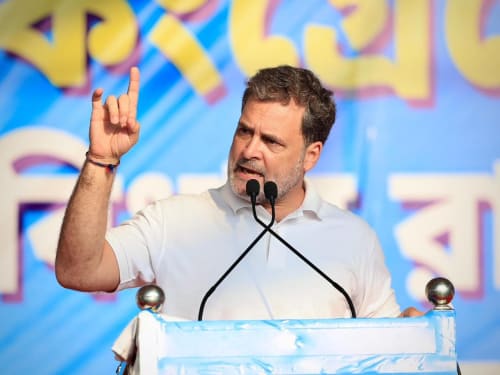
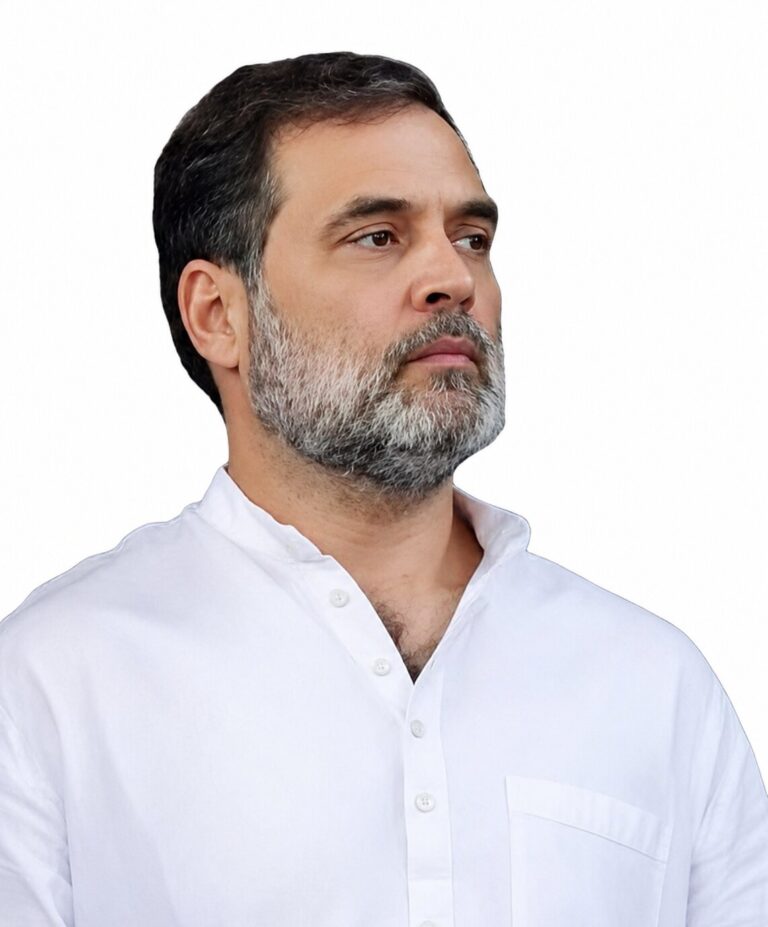
In a move that surprised many observers given their national-level “INDIA” bloc partnership, Rahul Gandhi launched a fierce attack on Mamata Banerjee following the first phase of polling. This strategic pivot can be attributed to several judicious political factors:
The Struggle for Political Space
In West Bengal, the Congress party is fighting for its survival. By attacking the TMC, Rahul Gandhi is attempting to reclaim the “Opposition” space that has been largely occupied by the BJP. He argued that the TMC’s governance—marked by allegations of “graft and polarization”—is precisely what created the vacuum for the BJP to enter the state. From his perspective, only the Congress can offer a “principled” ideological battle against the BJP without the baggage of local corruption.
Accountability and the RG Kar Incident
Gandhi specifically cited the handling of the RG Kar Hospital case as a failure of the state administration. By “firing” on Mamata over women’s safety and institutional corruption, he is appealing to the urban intelligentsia and the youth who participated in massive protests earlier in the year. He framed the TMC as a “mirror image” of the BJP’s central tactics, claiming that what Modi does at the Centre (centralization of power), Mamata does in the state.
Direct Ideological Contest
Judiciously speaking, Gandhi’s attack serves to distinguish the Congress from the TMC’s regional identity politics. He claimed that the TMC does not “directly fight” the BJP, citing the lack of ED or CBI pressure on Mamata Banerjee compared to the 55 hours of interrogation he personally faced. This narrative is designed to cast doubt on the TMC’s sincerity as an anti-BJP force, suggesting instead that the Congress remains the only “uncompromised” national alternative. Ultimately, this friction highlights the collapse of the “INDIA” alliance within the state, as both leaders prioritize their respective party’s survival over a unified front in this high-stakes regional contest.
Editor, Prime Post
Ravindra Seshu Amaravadi, is a senior journalist with 38 years of experience in Telugu, English news papers and electronic media. He worked in Udayam as a sub-editor and reporter. Later, he was associated with Andhra Pradesh Times, Gemini news, Deccan Chronicle, HMTV and The Hans India. Earlier, he was involved in the research work of All India Kisan Sabha on suicides of cotton farmers. In Deccan Chronicle, he exposed the problems of subabul and chilli farmers and malpractices that took place in various government departments.
Email: ravindraseshu7@gmail.com
Mobile: 9063718675