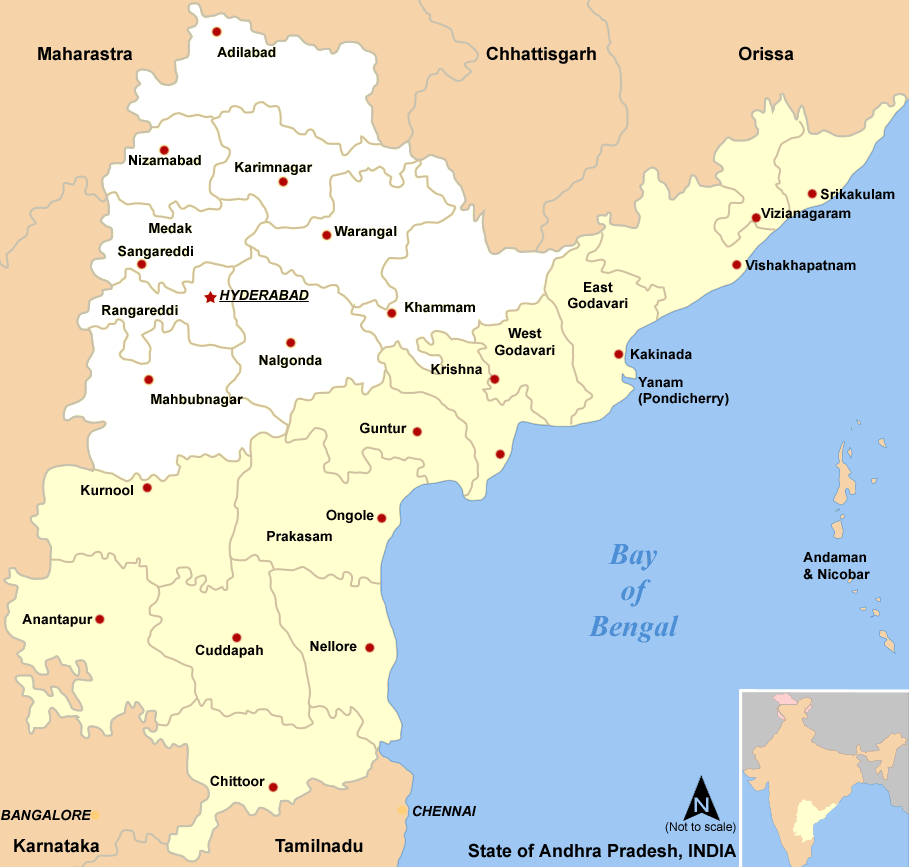
It is a serious issue affecting Telangana and AP. However, they are based on only the 2014 Act. It cannot stand before the Constitutional issues. It is how the 2014 Act cannot be used. The previous UPA tried to remove the problems, but the NDA is continuously playing mischief in Telangana. The Constitution of India does not support the Act of 2014. It is further complicated it with Const Amendment 131 Bill, thank got it was defeated. Still, we need to wait for the Delhi Sultans to sincerely help Telangana as promised, and as enacted.
There are a lot of differences between Bill 2014 and the actual Act 2014. When the Constitutional provisions of Delimitations are applied, it is proved not to be workable. Telangana is the victim of manipulations and wrong statements, including in the Mahila reservations, too.
The Act 2014, 2026 Bill vs the Constitution of India

[We should note the difference between Bill Section 27 (2014 draft) and Final Act Section 26. This was a crucial legislative shift.] (A) What the Draft Bill (Section 27) said: It only empowered the Election Commission of India to: Delimit constituencies, Fix SC/ST reservations, and Adjust boundaries It was procedural only; it did NOT increase Assembly strength (B) What the Final Act (Section 26) says, The enacted Section 26 is fundamentally different and more powerful: It explicitly provides: •Andhra Pradesh Assembly: 175 → 225 –Telangana Assembly: 119 → 153 This is a substantive expansion clause, not just procedural. (C) Key Difference (in one line)- Draft Bill Section 27 → How to delimit -Final Act Section 26 → Increase seats + then delimit.This change is legally significant and politically intentional.
The Constitution of India Vs Section 26 of Act 2014
Section 26 itself begins with: “Subject to Article 170 of the Constitution…” So we must see Article 170. Article 170 (State Legislative Assemblies)-Sets limits on Assembly size: Minimum: 60 -Maximum: 500. Seats must be based on: Population and Delimitation after Census.
Three amendments to freeze
Through amendments (42nd, 84th, 87th): Seat redistribution frozen until after 2026. Meaning: No increase based on population before 2026 and no fresh delimitation altering seat numbers. Legal Tension Created by Section 26- Here lies the core constitutional issue: Section 26 promises: AP → 225 seats -Telangana → 153 seats. But the Constitution says: No change until post-2026 exercise – Therefore:Section 26 is enabling but not self-executing. It cannot operate immediately without constitutional clearance.
Principle laid down by the apex Court Position
Courts have consistently held: Delimitation must follow the constitutional framework -Laws inconsistent with the freeze cannot override it – Impact of Section 26 + Constitution + Failure of 131st Amendment Bill (2026). But implementation was deferred due to the constitutional freeze. (A) What Section 26 Intended – To increase Assembly seats early -To adjust representation after bifurcation – To politically stabilize both states (B) What the 131st Constitutional Amendment Bill, 2026, tried to do -Though defeated, its broad intent was: Link delimitation + seat redistribution – Facilitate women’s reservation implementation – Possibly enable earlier readjustment -(C) What happens because it FAILED.
This is the key consequence:
1. Section 26 remains dormant -AP stays at 175 – Telangana stays at 119.2. No immediate expansion to: 225 (AP) – 153 (Telangana). 3. Delimitation remains tied to: Future Census – Post-2026 process. 4: Political Impact – Expectations created by Section 26 remain unfulfilled -Claims like “156 seats” become: Politically attractive -Legally uncertain.
Reinforces your earlier point: Credibility deficit

Act 2014 not enforceable Section 26 provides a statutory increase, but subject to constitutional limitations. Therefore: It is not automatically enforceable -It requires: End of freeze (post-2026) -Fresh delimitation – Parliamentary action- For both the states: 2026 and Beyond –Telangana -Current: 119 -Section 26 promise: 153. Realistic path: Could move toward 153 only after the constitutional process. Andhra Pradesh –Current: 175 -Section 26 promise: 225 -Realistic path: Gradual move toward 200+ – Not automatic. Section 26 is a “deferred political promise written into law.”
The Constitution is the “gatekeeper delaying its execution”. Failure of the 2026 Bill means, Promise continues and-Implementation postponed.
Suggested – A significant distinction must be drawn between the draft provisions of the Andhra Pradesh Reorganisation Bill, 2014, and the final enacted law. While the draft version merely empowered the Election Commission to delimit constituencies, the enacted Section 26 went further by expressly providing for an increase in the strength of the Legislative Assemblies of Andhra Pradesh and Telangana to 225 and 153 seats, respectively. However, this statutory promise is expressly made subject to Article 170 of the Constitution and the broader constitutional framework governing delimitation. Due to the existing constitutional freeze on the readjustment of seats until after 2026, this increase has remained inoperative.
The recent failure of the Constitution (131st Amendment) Bill, 2026, has further delayed any possibility of early implementation. As a result, the enhanced Assembly strength envisaged under the 2014 Act continues to remain a deferred provision, contingent upon future constitutional and legislative action. This gap between statutory promise and constitutional reality has contributed to confusion and inflated political claims, underscoring the urgent need for clarity, transparency, and informed public discourse. The Section 26 Statutory promise- The Constitution postponed it. The 2026 Bill failed. Result: The delay.
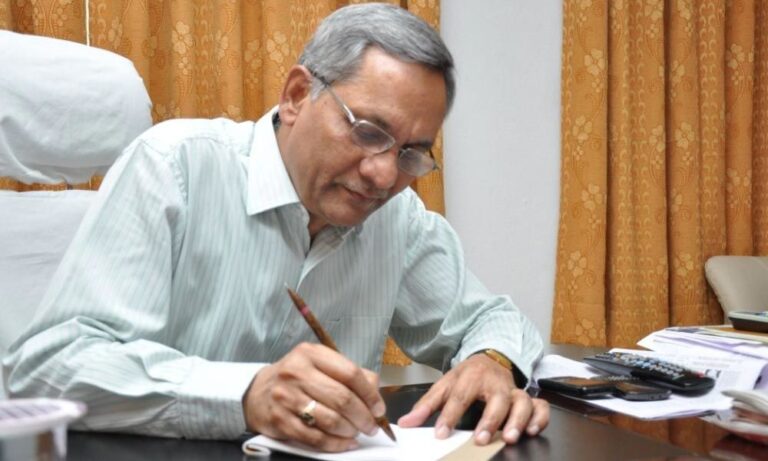
Law professor and eminent columnist
Madabhushi Sridhar Acharyulu, author of 63 books (in Telugu and English), Formerly Central Information Commissioner, Professor of NALSAR University, Bennett University (near Delhi), presently Professor and Advisor, Mahindra University, Hyderabad. Studied in Masoom Ali High School, AVV Junior College, CKM College, and Kakatiya University in Warangal. Madabhushi did LL.M., MCJ., and the highest law degree, LL.D. He won 4 Gold Medals at Kakatiya University and Osmania University.
Email: cicsridhar@gmail.com
Mobile: 8447651505