The Visionary Leap of Dammapet and Aswaraopet Farmers
Milestones in Edible Oil Self-Reliance
Five decades ago, pioneering farmers from the Dammapet and Aswaraopet mandals took a daring step that redefined Indian agriculture. By introducing palm grove cultivation, these farmers created a blueprint for the nation. Their early adoption not only transformed local farming but also played a critical role in strengthening India’s economy by saving valuable foreign exchange reserves on edible oil imports.
The Historic Pivot: From Mango Orchards to Palm Groves
The transition wasn’t easy. Around 25 years ago, forward-thinking farmers made the bold and challenging decision to fell their three-to-four-decade-old mango plantations to make way for palm groves. While it was a risky gamble at the time, this massive shift after the year 2000 became a major turning point for the region’s agricultural landscape.
Reaping the Rewards: Software-Level Earnings and Inter-Cropping
Today, the gamble has paid off spectacularly. Agriculture Minister Tummala Nageswara Rao highlighted that palm grove farmers in these mandals are now earning revenues on par with software professionals in Hyderabad. This remarkable financial success is further amplified by the smart practice of inter-cropping, where farmers cultivate high-value crops like betel nut, mace, and cocoa alongside palm trees to maximize their income.
Government Synergy and the Path to Ten Lakh Acres
The journey toward palm oil self-sufficiency in the region holds historical significance. The foundation was laid when the former Chief Minister of Andhra Pradesh NTR helped set up the country’s very first palm oil factory in Pedavegi, West Godavari district—a milestone achievement that addressed the nation’s soaring edible oil demand. Building on this legacy, the current vision for Telangana is highly ambitious, with strategic plans underway to expand palm grove cultivation to ten lakh (1 million) acres.
Honoring Legacies and Political Support
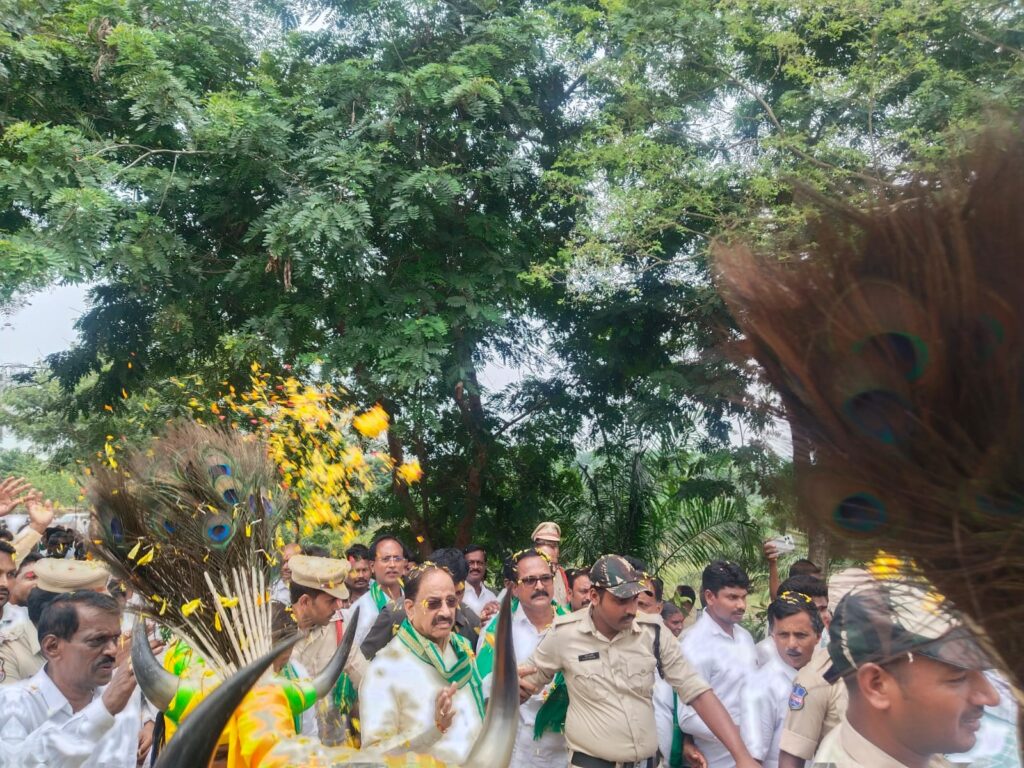
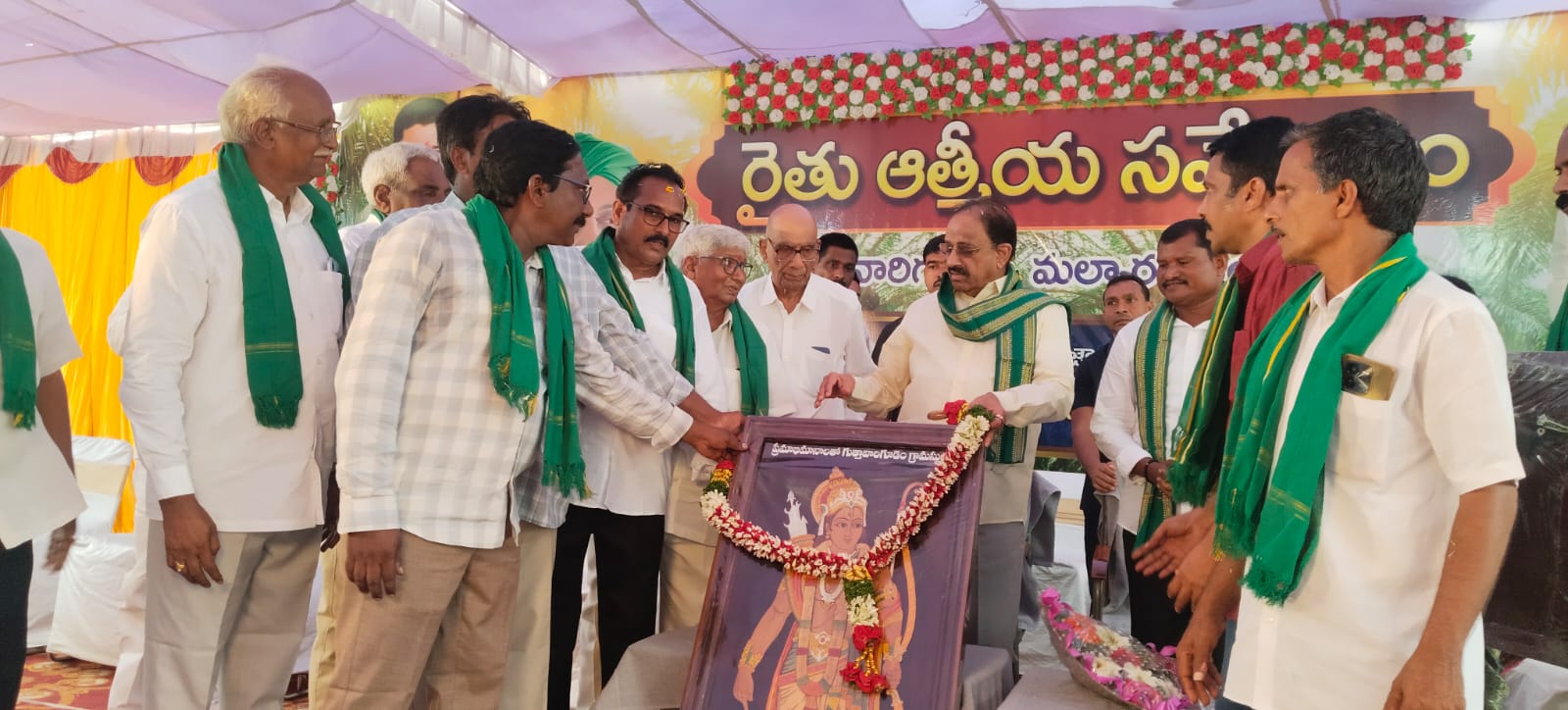
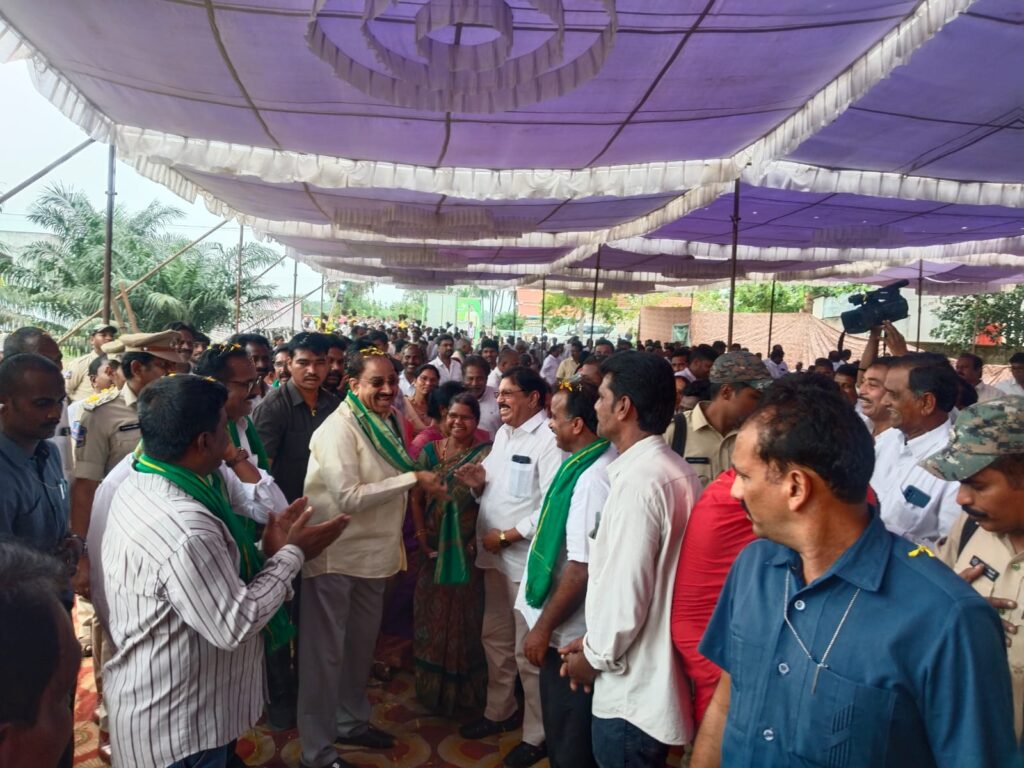
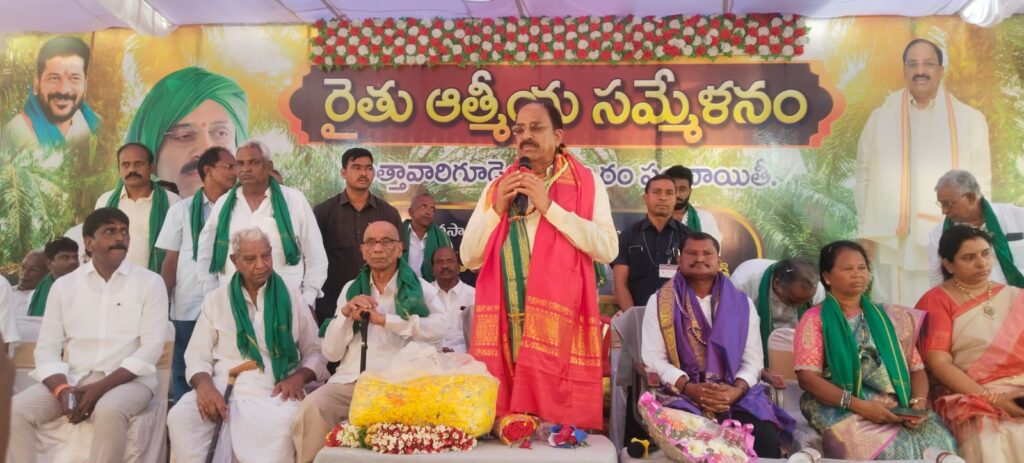
To celebrate this incredible 50-year journey, the farmers of Malkaram and Guthavarigudem organized a celebratory event. Minister Tummala Nageswara Rao was warmly welcomed to the stage amidst traditional ‘melathalalu’ and showers of flowers. First-generation palmoil growers, including D.K. Mahipal, expressed deep gratitude to the Minister, describing him as an agricultural visionary who provided steady guidance, minimized water-usage concerns, and extended a helping hand through every challenge the farmers faced.
A Gathering of Trailblazers
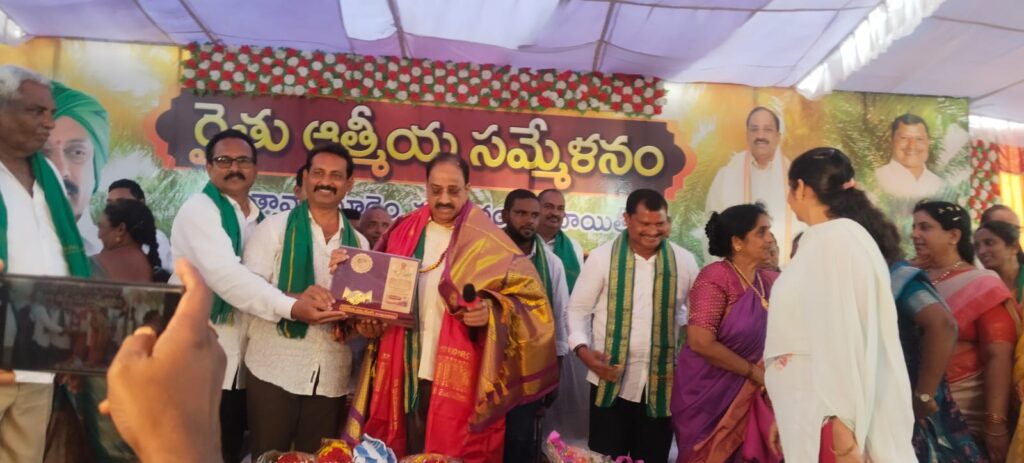
The event served as a proud reunion for the region’s senior, innovative farmers who took the initial risk decades ago. This distinguished gathering of agricultural trailblazers included prominent figures such as Kasani Venkateswara Rao, Alapati Prasad, Pinnamaneni Murali, Sriramula Prasad, Gutha Raja, Budhe Koteswara Rao and others, all of whom played a pivotal role in shaping the region’s successful palm oil farming legacy.
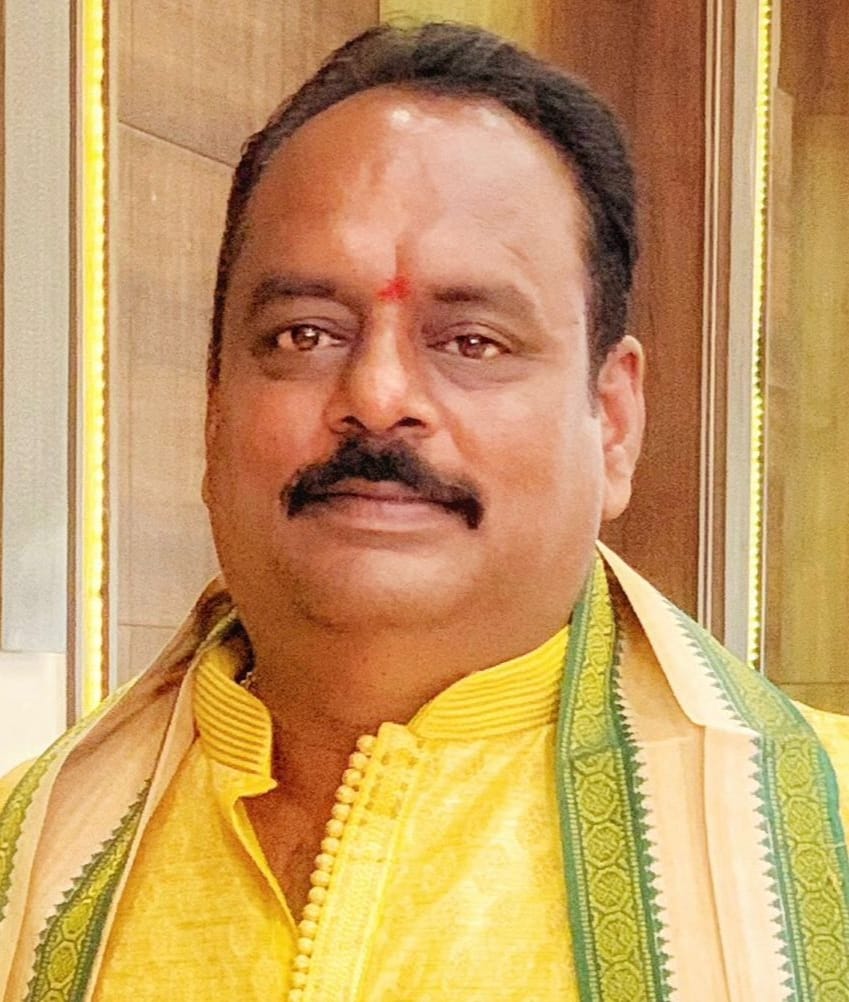
Principal Correspondent, Prime Post
Adapa Dora, journalist cum farmer, proved his excellence in both the fields. While working in Andhra Bhoomi (Telugu Paper) and Deccan Chronicle, he forced a famous seed company to pay compensation to the maize farmers for crop loss due to the supply of spurious seeds to them. He wished to maintain harmony between tribals and non-tribals in the mandals of Bhadradri-Kothagudem district for the prosperous of both groups.
Email: adapa.dora@gmail.com
Mobile: 9441332322