A Satire Still Alive
The Evolution of Credulity and Human Pretension
The Spectator as an Antidote to Modern Polarization
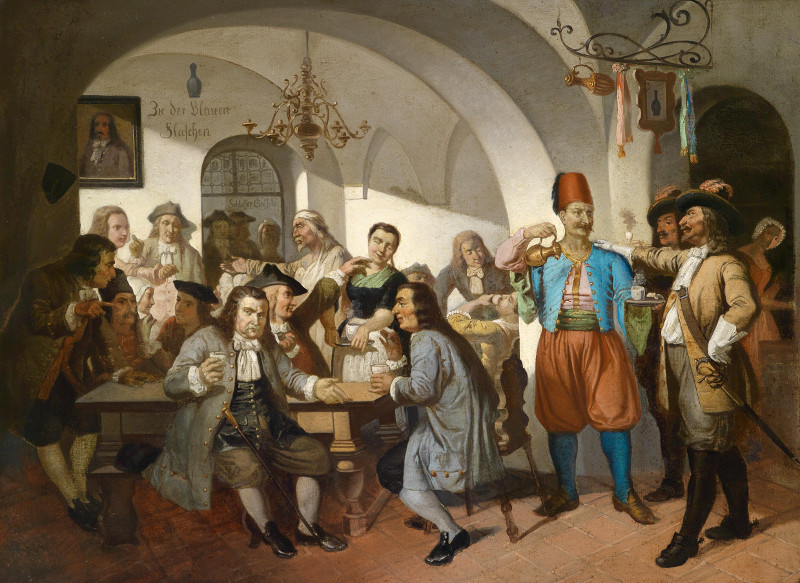
The coffee-house culture of eighteenth-century England was more than a social habit; it was an early public sphere in which merchants, writers, politicians, scholars and gentlemen could meet, argue and exchange ideas. Out of this culture emerged Joseph Addison and Richard Steele’s, ‘’The Spectator’’, with its celebrated ‘’Coverley Papers’’. Through the fictional observer Mr. Spectator and characters such as Sir Roger de Coverley, Sir Andrew Freeport, Will Honeycomb and Will Wimble, Addison and Steele turned everyday society into a mirror. Their satire was gentle in manner, but penetrating in perception: it exposed the follies of politics, class, money, fashion, superstition, property, social pretension and human vanity. Through the prism of coverly papers, the spectator presents a panoramic view of hypocritical society.
The Spectator in the Digital Age
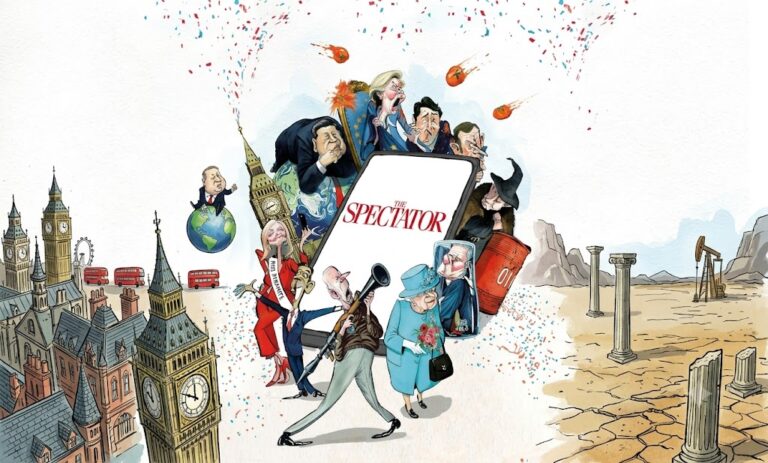
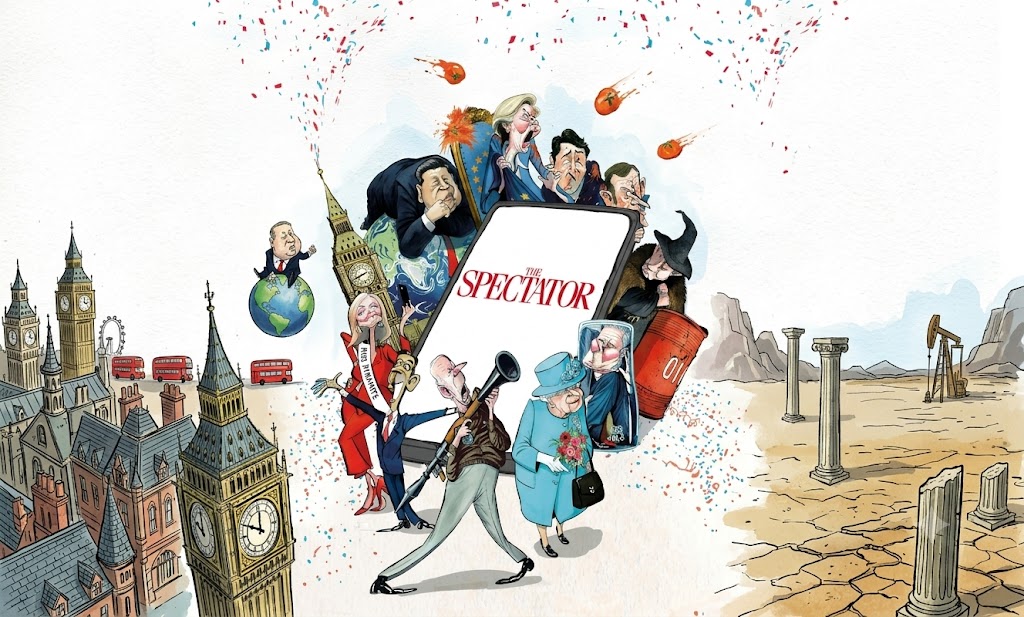
The remarkable feature is that the objects of their satire have changed their appearance since then, but not disappear. In today’s world, Sir Roger’s traditionalism survives in modern attachment to inherited authority and established privilege; Sir Andrew’s commercial spirit has expanded into modern capitalism, finance and entrepreneurship; Will Honeycomb’s fashionable vanity has found its contemporary incarnation in celebrity culture, influencers and the relentless pursuit of visibility.
The coffee-house gossip has become social media; the pamphlet has become the viral post; political faction has become ideological polarisation; and the village rumour has become instant digital misinformation. What was once local and slow has become global and instantaneous.
Societal Ramifications and Economic Transitions
The societal ramifications are therefore profound. Addison and Steele recognised that society is held together not merely by laws but by manners, restraint, tolerance and the ability to live with difference. Their characters reveal the perennial tensions between tradition and modernity, rural and urban life, hierarchy and equality, individual freedom and social responsibility. Sir Roger’s benevolent paternalism is humane but also controlling; the modern world has replaced such paternalism with the language of rights, autonomy and participation, yet the temptation of institutions and powerful individuals to decide what is “best” for others remains.
Historically, the Coverley Papers capture England at a moment of transition—from a predominantly landed society towards a commercial and urban order. That transition has its modern counterpart in the movement from industrial capitalism to financial capitalism and now to the digital economy. Sir Andrew Freeport’s world of commerce has become a world of global markets, banks, corporations, investment funds and technology platforms. The old question of land versus commerce has become a larger question: does wealth serve society, or does society increasingly serve the accumulation of wealth? Addison’s satire of economic behaviour therefore acquires new relevance in an age of financial speculation, consumerism, inequality and concentrated economic power.
Money, Morality, and Faction: The Contemporary Relevance of The Spectator
The financial ramifications are especially striking. The eighteenth-century concern with property, credit, commerce and economic reputation has expanded into a sophisticated financial system in which money can move across continents in seconds. Yet the human weaknesses remain familiar: greed, speculation, status-seeking, excessive risk, indebtedness and the desire to appear prosperous. The modern economy possesses enormously greater productive capacity, but it has also created new forms of vulnerability. The Coverley Papers remind us that economic sophistication does not necessarily produce moral sophistication.
The political ramifications are equally contemporary. The Whig-Tory divisions of Addison’s time have multiplied into today’s ideological camps. The danger is not disagreement itself; disagreement is essential to democracy. The danger arises when political loyalty becomes tribal identity and citizens cease to examine their own side critically. Mr. Spectator’s detached position therefore has modern value: observe before judging, listen before condemning, and retain the capacity to recognise merit even in an opponent.
The satire of superstition and credulity may be even more relevant today. Moll White belonged to a world in which coincidence could become witchcraft through collective belief. The modern world has science, education and unprecedented access to information, yet misinformation, conspiracy theories and digitally amplified rumours can travel faster than evidence. The medium has become technologically advanced while the psychology remains ancient. The modern challenge is not simply ignorance; it is the inability or unwillingness to distinguish information from truth.
The Coffee-House Ideal as a Modern Antidote

There is also a striking cultural continuity. The eighteenth-century fashionable man sought reputation through dress, conversation and social presence. The modern individual may construct an identity through photographs, followers, likes and digital performance. The old vanity has acquired an algorithm. The mirror has become the smartphone. What Addison and Steele exposed as social pretension has become, in the digital age, a global economy of attention.
The coffee-house ideal offers an antidote. Its true legacy was not coffee but conversation—the bringing together of different perspectives without demanding uniformity. The Spectator itself becomes an enlarged literary coffee-house: tradition speaks to modernity, country to town, aristocracy to commerce, reason to sentiment, and individual interest to public responsibility. The purpose is not to make all voices identical but to discover whether their differences can produce a more intelligent whole.
That is why the Coverley Papers remain a living satire rather than a historical curiosity. Addison and Steele did not possess social media, global finance, television, artificial intelligence or mass democracy. Yet they understood something more fundamental: human beings do not change as rapidly as their institutions and technologies. Vanity, ambition, faction, prejudice, credulity, greed and the hunger for recognition survive every technological revolution.
Sitting at the Same Intellectual Table
The great achievement of The Spectator is therefore its inclusive satire. It laughs at society without despising society; it criticises tradition without worshipping modernity; it recognises the virtues of commerce without surrendering to materialism; and it advocates reason without extinguishing humanity. The eighteenth-century coffee-house has disappeared, but its essential question remains: can people with different interests, histories and convictions sit at the same intellectual table?
That is the enduring lesson of Addison and Steele. A civilised society does not require unanimity. It requires the capacity for dialogue, disagreement, self-criticism and synthesis. The satire of the Coverley Papers remains relevant because the follies they exposed have not vanished. They have merely acquired new institutions, new technologies, new financial systems and, above all, a much larger audience.

M. Shiva Prasad, IPS (Rtd.) is a dedicated law enforcement professional who served the combined Andhra Pradesh cadre before opting for the Telangana cadre. Though a native of Andhra Pradesh, he considers himself a true Hyderabadi with an abiding love for the Telugu people. Driven by sincerity, fearlessness, and a lifelong fight against inequality and injustice, his ultimate strengths remain his goodwill and deep affection for the public and the police force. Today, he continues his mission by writing snippets and articles true to his conscience.
Email: Shivareach@yahoo.com
Mobile: 98480 38774