A Sacred Culinary Tradition of 45 Daily Offerings
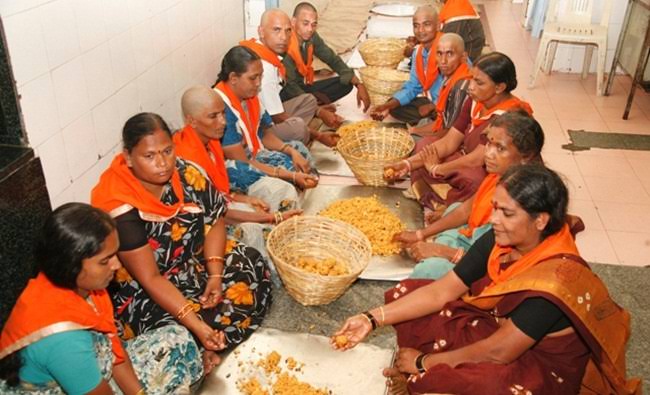
Every day at the world-famous hill shrine of Sri Venkateswara Swamy in Tirumala, devotion manifests through an extraordinary culinary tradition. Governed strictly by ancient Vaikhanasa Agama scriptures, the Lord known as Naivedya Priya (lover of sacred food offerings) is offered a astonishing menu of 45 delicious varieties of Prasadam daily. While millions know Tirumala for its iconic Laddu, the daily kitchen operations (Potu) represent an unrivaled heritage of sacred gastronomy. These 45 daily offerings are broadly categorized into two types-20 Anna Prasadams- Elaborate, seasoned rice preparations.
Neither green chillies nor red chillies are ever used
Traditional sacred savories, pastries, and sweets- The Sanctified Spice Profile
A fascinating secret of the Tirumala temple kitchen is the complete absence of modern spices. Neither green chillies nor red chillies are ever used in preparing the Lord’s Annaprasadams. Instead, the authentic heat and flavor profile come exclusively from high-grade black pepper, native ginger, refined ghee, and traditional spices. Prepared by hereditary archakas and trained kitchen staff under rigorous ritual supervision, each dish remains pure and untouched by modern culinary shortcuts. Traditional Vaikhanasa Terminology: The Agama scriptures assign unique, poetic names to the dishes offered during the three primary prayer bells of the day.
Common Name – Vaikhanasa- Agama Name
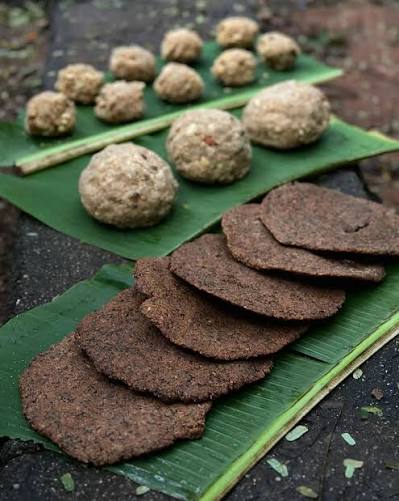
Under the Vaikhanasa Agama scriptures, the sacred offerings at Tirumala carry distinct, poetic names that differ from their everyday titles. Devotees commonly know the tangy tamarind rice as Pulihora, but scripturally it is offered as Tintrini Rasannam. The comforting ghee pongal, made of rice and moong dal mash enriched with ghee, is known as Mudgannam, while sweet jaggery rice is referred to as Gudannam. Black-pepper infused spiced rice goes by the name Marichyannam. Even everyday savories take on sacred terminology: the traditional deep-fried black gram vada is offered as Mashapupam, and the thick, traditional rice-and-lentil dosa is named Chakrapam.
Black-pepper infused spiced rice
Deep-fried black gram savory fritters, Dosa -Chakrapam.
A Rhythm of Sacred Offerings: The offerings follow a strict daily schedule tied to the temple’s worship rituals: Morning (First Bell): Freshly cooked breakfast delicacies and rice varieties. Afternoon (Rajabhogam / Second Bell): A royal feast featuring Kadambam (mixed vegetable rice), Ksheerannam (sweet milk rice), Polilu (sweet stuffed flatbreads), and Amritakalasam. Midnight (Thiruveesam): A late-night offering of plain white rice paired with a rich jaggery sweet.
Ekanta Seva: Before the Lord retires, He receives warm milk, seasonal fruit slices, and ghee-roasted nuts. During special season like Dhanurmasam, the menu expands even further with specialized delicacies like jaggery dosas and sundal. For centuries, this unparalleled scale of ritual offering has stood as a testament to deep devotion, nourishing the spirit of millions who visit Tirumala.
Written by Haribabu from Tirumala

With a journalistic long journey, we bring you https://primepost.news, a dynamic platform committed to unraveling the intricate tapestry of Indian politics, particularly delving deep into the heart of Telangana and Andhra Pradesh. Our blog is not just a source of news; it’s a reservoir of insights, analysis, and thought-provoking reviews.