A Public Health Debate Beyond the Dinner Plate
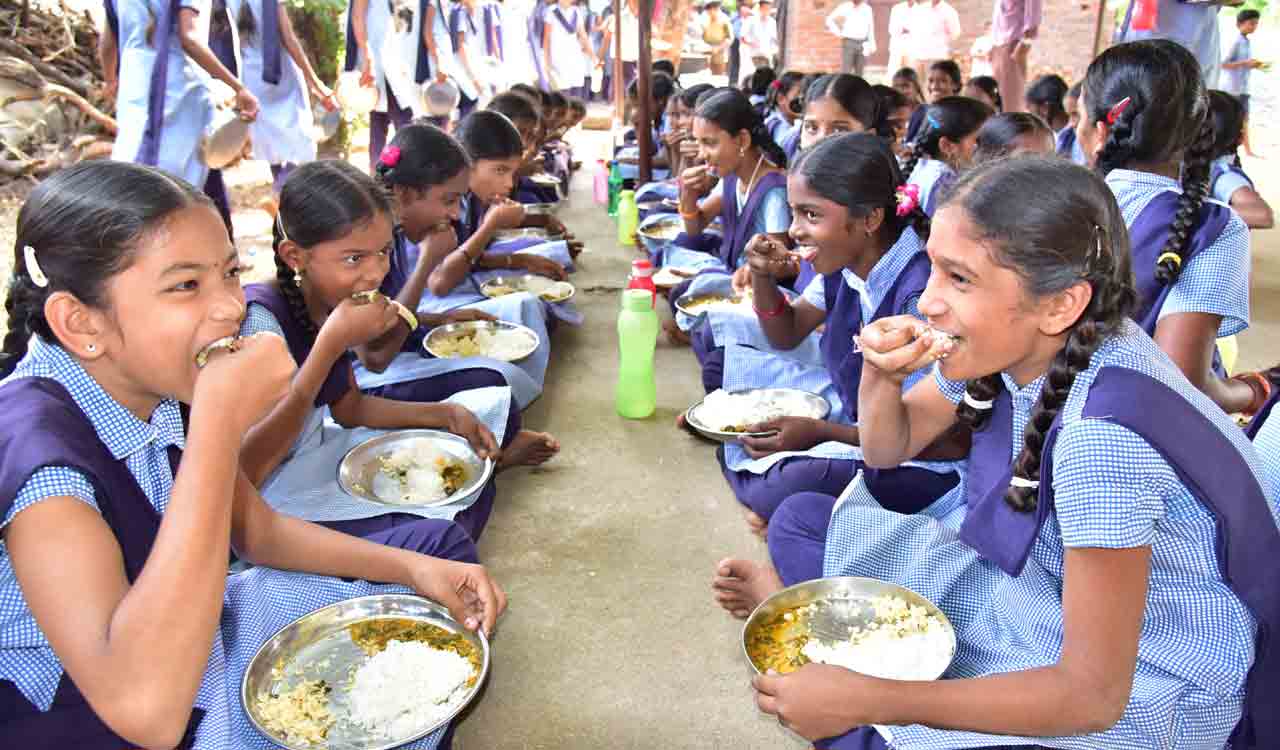
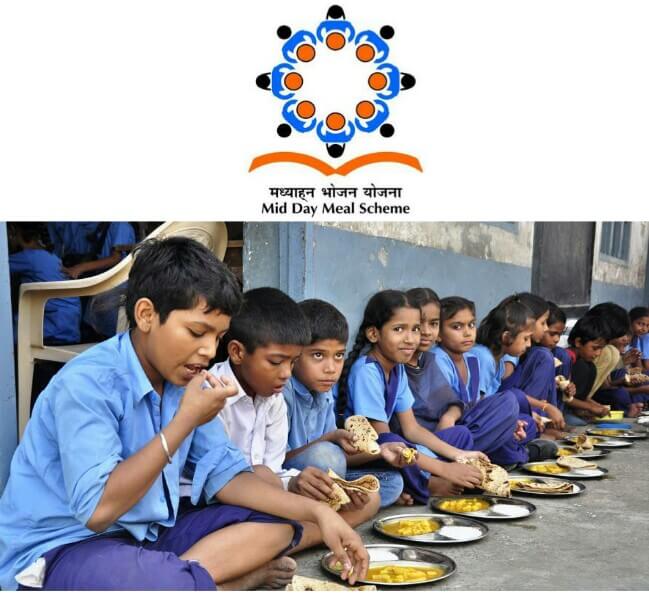
The humble grain of polished white rice has nourished generations of Indians. It is the centrepiece of family meals, the backbone of the Public Distribution System, and the principal cereal served under India’s PM POSHAN (Mid-Day Meal) Scheme. Yet, behind this seemingly innocuous staple lies a profound public health dilemma. As India simultaneously battles the world’s largest burden of child malnutrition and one of the fastest-growing epidemics of Type 2 diabetes, an uncomfortable question demands attention: Is polished white rice the ideal staple for millions of schoolchildren, or has convenience overshadowed nutrition?
The answer is neither alarmist nor simplistic. White rice is not poison. Nor is it nutritionally complete. The real issue lies not in the grain itself but in the manner in which it has come to dominate public nutrition policies.
Refinement: The Price of Convenience
Rice in its natural state is brown rice. During milling, the protective husk, nutrient-rich bran, and germ are removed to produce the polished white grain preferred by consumers. This transformation dramatically alters its nutritional profile. Nearly four-fifths of its dietary fibre disappears. Essential B-complex vitamins are substantially reduced. Magnesium, iron, zinc and several phytonutrients are stripped away. What largely remains is the starchy endosperm—a dense reservoir of rapidly digestible carbohydrates. From an agricultural perspective, polishing improves storage life and consumer appeal. From a nutritional perspective, it diminishes the grain’s biological value.
The Glycaemic Challenge
The human body converts refined starch into glucose with remarkable speed. With a Glycaemic Index generally ranging between 70 and 72, polished white rice causes rapid elevations in blood glucose levels, particularly when consumed alone in large quantities.
The physiological sequence is straightforward: Refined starch → Rapid digestion → Sudden glucose surge → Increased insulin secretion → Eventual insulin resistance with chronic excessive intake. Repeated exposure to such glucose spikes contributes to metabolic stress.
Large epidemiological investigations, including analyses conducted by researchers at the Harvard School of Public Health, have associated high habitual consumption of white rice with an elevated risk of Type 2 diabetes, particularly among South Asian populations where rice constitutes the primary staple. While the increased risk is modest at the population level, its implications become significant when multiplied across hundreds of millions of people. Association, however, should not be mistaken for inevitability. Diabetes develops through a complex interaction of genetics, physical inactivity, obesity, overall diet, and socioeconomic factors—not rice alone.
India’s Nutritional Paradox
India presents one of the world’s greatest public health contradictions. Millions of children continue to suffer from undernutrition, stunting and micronutrient deficiencies, while adult obesity and diabetes rise steadily in urban and increasingly rural populations. The same nation struggles simultaneously with starvation and metabolic disease. This paradox reflects what nutritionists describe as the double burden of malnutrition. Calories may be sufficient. Nutrition often is not.
Why White Rice Dominates Government Feeding Programmes
The predominance of polished rice in government welfare schemes is rooted less in nutritional science than in logistics, economics and history. First is shelf stability. Brown rice contains natural oils that deteriorate rapidly in India’s warm and humid climate. Polished rice remains stable for extended periods, making it suitable for storage in Food Corporation of India warehouses and long-distance transportation. Second is affordability. The Green Revolution transformed India into one of the world’s largest rice producers. Procurement systems, minimum support prices and extensive distribution networks make polished rice readily available at scale. Third is cultural acceptability.
Across large parts of India, white rice is not merely food but tradition, familiarity and comfort. Public nutrition programmes cannot ignore dietary habits while attempting universal coverage. Finally, for children suffering acute calorie deprivation, polished rice provides rapidly available energy that may literally prevent hunger. Yet calories alone cannot build healthy bodies or healthy brains.
The Hidden Hunger Crisis
Nutrition experts increasingly distinguish between hunger and hidden hunger.A child may consume sufficient calories yet remain deficient in iron, zinc, vitamin B12, folic acid or other micronutrients essential for growth, immunity and cognitive development. Such deficiencies impair educational performance, reduce productivity in adulthood and perpetuate intergenerational poverty. Thus, the challenge confronting policymakers is not merely feeding children. It is nourishing them.
Should Schools Eliminate White Rice?
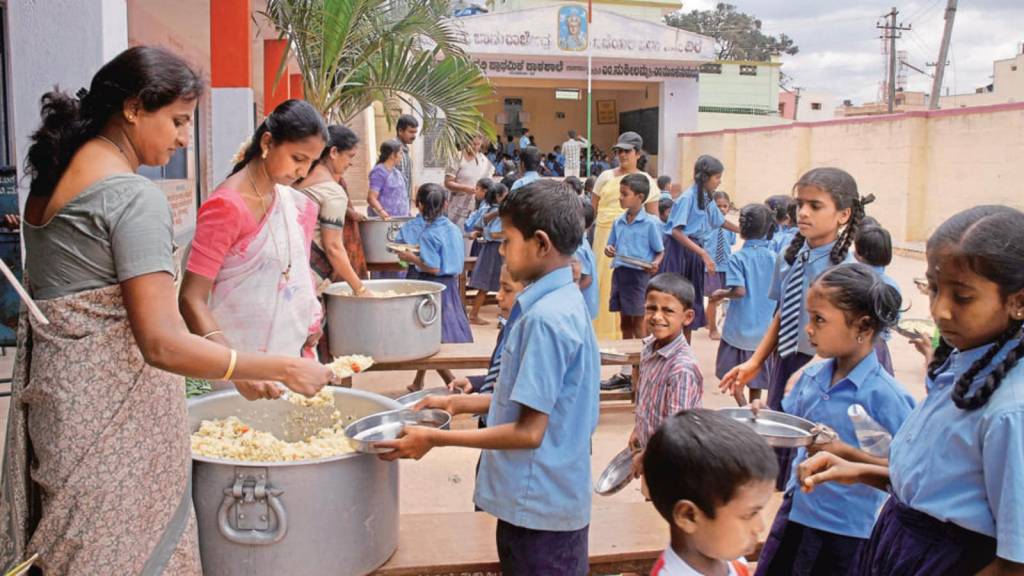
Calls to abolish polished rice from school meals may sound appealing but overlook practical realities. Replacing it entirely with brown rice would involve enormous logistical challenges. Brown rice has a shorter shelf life. Its cooking characteristics differ. Many children unfamiliar with its texture may reject it, increasing food wastage. Public nutrition programmes must balance ideal nutritional goals with operational feasibility. Policy cannot be driven solely by laboratory science. It must also account for economics, culture and administrative capacity.
The Smarter Alternative: Improve the Meal, Not Merely the Grain
Rather than demonising white rice, nutrition science increasingly advocates improving the entire meal. Protein-rich dals, pulses, eggs, milk, soy products or lean meats slow gastric emptying and reduce the glycaemic impact of rice. Leafy vegetables provide fibre, antioxidants and essential minerals. Healthy fats from groundnuts or sesame moderate glucose absorption. Together, these transform a nutritionally incomplete meal into a far more balanced one. The emphasis should therefore shift from high glycaemic index to overall glycaemic load, which reflects the complete composition of the meal rather than a single ingredient.
The Promise of Resistant Starch
One intriguing scientific finding concerns the traditional practice of cooling cooked rice. When cooked rice is refrigerated for several hours and later reheated, part of its digestible starch undergoes retrogradation, becoming resistant starch. Unlike ordinary starch, resistant starch behaves more like dietary fibre. It nourishes beneficial gut bacteria, lowers post-meal glucose responses and may improve insulin sensitivity. While this technique offers measurable metabolic benefits, implementing it within large institutional kitchens serving millions of children remains operationally challenging. Nevertheless, it illustrates how food preparation methods can influence health outcomes.
Fortified Rice: A Step Forward, Not the Final Destination
Recognising widespread micronutrient deficiencies, India has expanded the distribution of fortified rice enriched with iron, folic acid and vitamin B12. Fortification addresses some nutritional losses caused by milling and represents an important public health intervention. However, fortification cannot fully replicate the diverse nutrients naturally present in whole grains. Nor can it substitute for balanced diets rich in vegetables, fruits, pulses and proteins. It should therefore be viewed as a complementary strategy rather than a complete solution.
Lessons for Public Policy
India’s school nutrition programmes have been among the country’s greatest social achievements. They increase school attendance, reduce classroom hunger and improve educational outcomes. The challenge today is not dismantling these programmes but modernising them.
Future reforms should include:
* Greater dietary diversity alongside rice.
* Increased provision of protein through eggs, pulses or milk.
* Wider incorporation of fresh vegetables.
* Continued expansion of rice fortification.
* Nutrition education for children and parents.
* Scientific monitoring of metabolic health alongside anthropometric indicators.
The objective should evolve from feeding children to fostering lifelong health.
The Editorial Verdict
Polished white rice is neither a nutritional villain nor a perfect staple. It is an efficient source of energy whose limitations become apparent only when it is consumed in isolation and in excess. The true hazard lies not in white rice itself but in dependence upon white rice without nutritional balance. For a nation aspiring to become a global economic powerhouse, ensuring that every school meal provides not merely calories but complete nourishment is both a moral obligation and a strategic investment. As the ancient physician Hippocrates wisely observed, “Let food be thy medicine and medicine be thy food.”
Centuries later, the wisdom remains profoundly relevant. India’s children deserve plates that satisfy hunger today without sowing the seeds of disease tomorrow

M. Shiva Prasad, IPS (Rtd.) is a dedicated law enforcement professional who served the combined Andhra Pradesh cadre before opting for the Telangana cadre. Though a native of Andhra Pradesh, he considers himself a true Hyderabadi with an abiding love for the Telugu people. Driven by sincerity, fearlessness, and a lifelong fight against inequality and injustice, his ultimate strengths remain his goodwill and deep affection for the public and the police force. Today, he continues his mission by writing snippets and articles true to his conscience.
Email: Shivareach@yahoo.com
Mobile: 98480 38774