The Paradox of Growth -Degrees without Destiny
Beyond the GDP Numbers-The Growth Employment Divide
How India’s Economic Growth Left its Educated Youth Behind
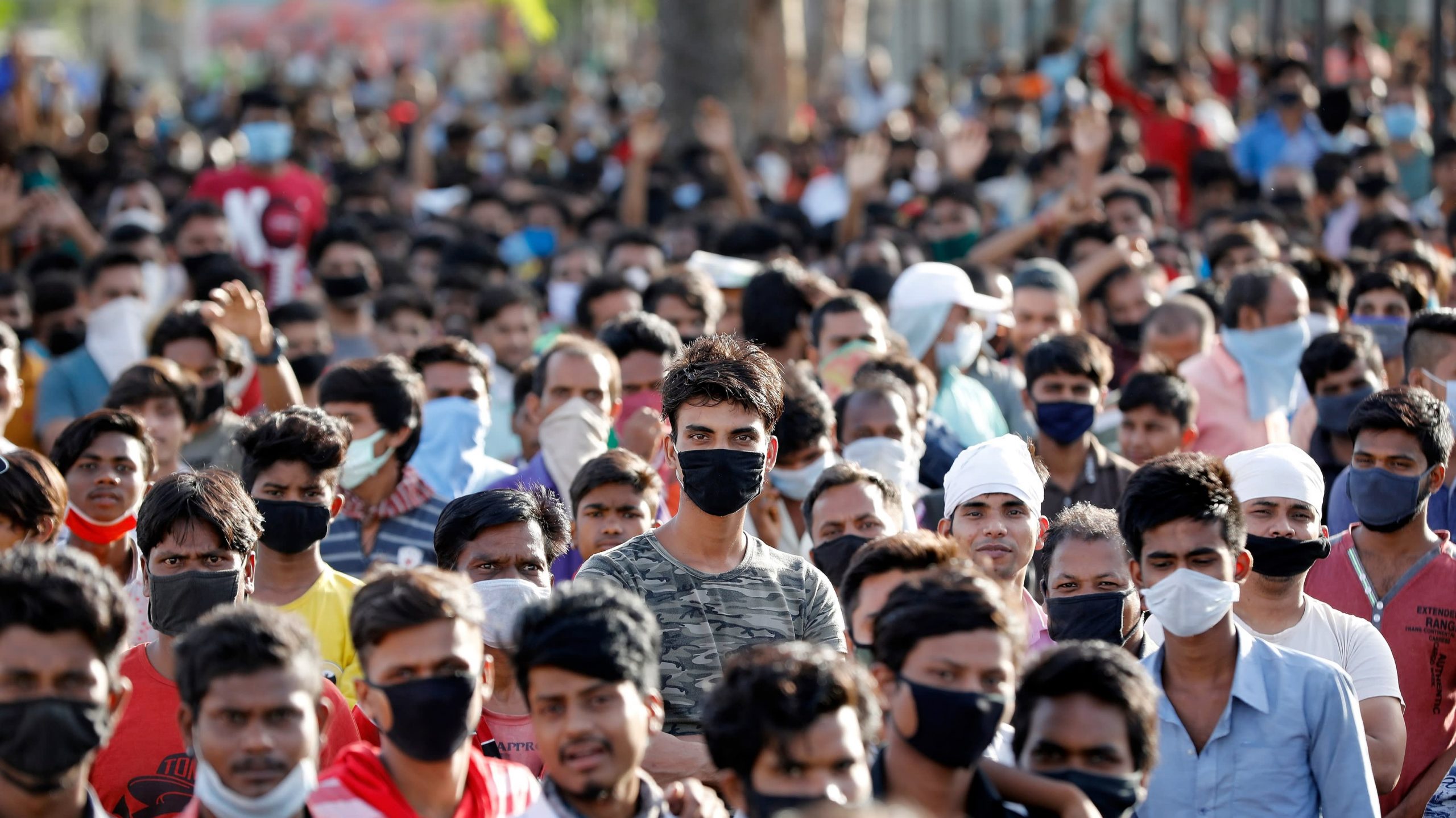
India’s macroeconomic trajectory presents a striking paradox. While the nation has crossed economic milestones—reaching a multi-trillion-dollar economy and sustaining real GDP growth—a deep structural disconnect remains within its labour market. The growing mismatch between expanding higher education and the availability of formal, high-value employment for young entering graduates.
The Structural Gap: Education vs. Job Quality
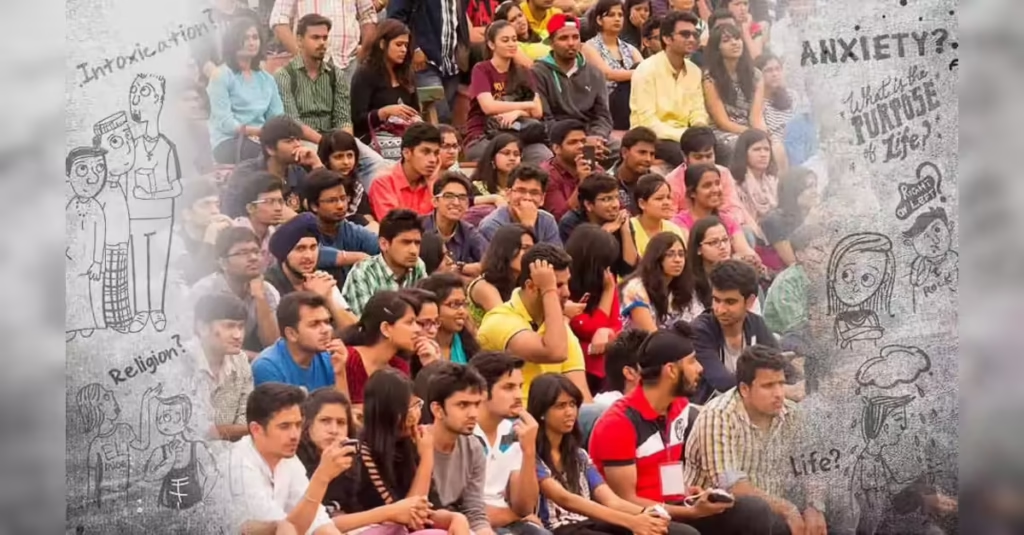
Over the past two decades, higher education enrolment in India has surged rapidly. However, employment creation has failed to keep pace in high-productivity sectors. According to data from the Periodic Labour Force Survey (PLFS) and reports like the State of Working India, youth unemployment spikes significantly with educational attainment—reaching up to 40% among urban graduates.(www.policycircle.org)
The official figures on higher education enrolment in India, based on the All India Survey on Higher Education (AISHE) released by the Union Ministry of Education, provide a clear picture of total scale, participation rates, and demographic breakdowns.
Total Student Enrolment reached 4.50 crore (45 million) in the 2023–24 academic year, reflecting a 31.5% increase from 3.42 crore in 2014–15. Gross Enrolment Ratio (GER). Calculated for the 18–23 age group, the national GER stands at 30%, up from 23.7% in 2014–15. Policy Target: The National Education Policy (NEP) 2020 aims to push this GER to 50% by 2035.(The Hindu).
Female participation is higher than male for seven consecutive years (Gender Parity Index-1.08). Total Female enrolment stands at 2.24 crore. Female GER: 31.2% and male GER is 28.9%.
Enrolment grew by 51.4% for Scheduled Castes, 75.7% for Scheduled Tribes, and 60.2% for Other Backward Classes over the last decade.
Enrolment grew by 51.4% for Scheduled Castes, 75.7% for Scheduled Tribes, and 60.2% for Other Backward Classes over the last decade.
Likewise, SC Enrolment: 69.72 lakh, ST Enrolment 28.83 lakh and OBC Enrolment is 1.80 crore.
About 1.02 crore students enroled in STEM (Science- Technology- Engineering-Mathematics) enrolment, account for 22.5% of total enrolment. Females make up 44% of total STEM students.
This phenomenon stems from several core structural factors
Low Employment Elasticity of Growth: Capital-intensive sectors (such as IT, pharmaceuticals, and modern services) drive India’s GDP growth without generating proportional mass employment. Consequently, a 1% increase in GDP generates far fewer jobs today than in previous decades.
The Gig and Low-Wage Trap: Much of the service sector’s job creation has been concentrated in low-barrier, gig-economy roles such as quick-commerce delivery, ride-hailing platforms (Malls, Rapido, Uber), and retail service at malls. These positions lack social security, job security, and upward mobility, leaving degree holders underemployed and economically vulnerable. (www.drishtiias.com)
Skill-Market Mismatch: Standard university curricula frequently lag behind modern industrial demands, creating a double burden where graduates are deemed overqualified for manual labour but under-skilled for high-tech industries. (www.theeconomicsjournal.com)
Comparison with Regional Peers
Compared to several East and Southeast Asian economies during their peak demographic transitions, India’s GDP-to-employment elasticity remains low. Historical Asian growth models—such as those of South Korea, Taiwan, and China—relied heavily on labour-intensive manufacturing exports to absorb educated rural and urban youth into formal industrial supply chains. In contrast, India’s premature shift from agriculture directly into services bypassed mass industrialization, limiting the structural absorption of skilled labour.
Youth Absorption- This structural divergence directly impacts how young workers are absorbed into the labour force. Traditional Asian models successfully facilitated a high transition of youth into manufacturing assembly lines and technical industries. India’s path, however, has led to a high concentration of educated youth entering informal gig work, low-wage service roles, or spending years preparing for limited civil service examinations.
Employment Elasticity- As a result of their manufacturing focus, traditional Asian models exhibited high employment elasticity, meaning economic growth directly translated into the creation of formal, structured jobs. Conversely, India experiences low employment elasticity because its growth is heavily concentrated in capital- and technology-intensive sectors, which generate significantly fewer jobs per unit of GDP growth.
Growth Engine- The growth trajectory of traditional Asian economies, such as South Korea and Vietnam, has historically relied on labour-intensive manufacturing and export-led strategies to drive development. In contrast, India’s structural path has primarily depended on capital-intensive service sectors and domestic consumption to power its economic expansion.
The Emergence of Gen Z Frustration and Political Expressions
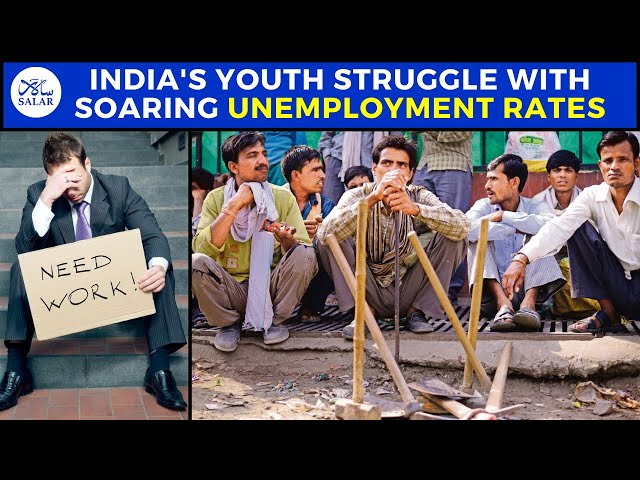
The frustration among Generation Z is driven by prolonged waiting times for formal employment. Millions of graduates spend critical years preparing for scarce public sector jobs or competitive entry-level positions, sustained by heavy financial investments from their families. When competitive exam cancellations, paper leaks, or prolonged hiring freezes interrupt these efforts, economic distress quickly turns into public dissent.
Mass Expansion of Graduate Degrees -Sluggish Formal Job Creation – Underemployment / Gig Work – Systemic Youth Frustration
The emergence of satirical digital movements—such as the Cockroach Janata Party (CJP) symbolizes this frustration. Originating as a satirical counter-response to dismissive rhetoric regarding unemployed youth and activists, the movement quickly gained millions of online followers and traction on social platforms. It reflects a growing collective awareness among young Indians who feel overlooked by mainstream political narratives that focus primarily on headline economic growth rather than job quality.
Policy Challenges and the Way Forward
Governments historically struggle to detect early signals of this discontent because aggregate unemployment metrics (which include informal, agricultural, and self-employed work) often show low headline figures, disguising severe underemployment and quality deficits.
Addressing this crisis requires moving beyond raw GDP targets toward employment-centric policymaking:
1. Revitalizing labour-intensive manufacturing hubs.
2. Aligning higher education curricula directly with industry specifications.
3. Establishing social safety nets and career progression frameworks for gig workers.

Editor, Prime Post
Ravindra Seshu Amaravadi, is a senior journalist with 38 years of experience in Telugu, English news papers and electronic media. He worked in Udayam as a sub-editor and reporter. Later, he was associated with Andhra Pradesh Times, Gemini news, Deccan Chronicle, HMTV and The Hans India. Earlier, he was involved in the research work of All India Kisan Sabha on suicides of cotton farmers. In Deccan Chronicle, he exposed the problems of subabul and chilli farmers and malpractices that took place in various government departments.
Email: ravindraseshu7@gmail.com
Mobile: 9063718675