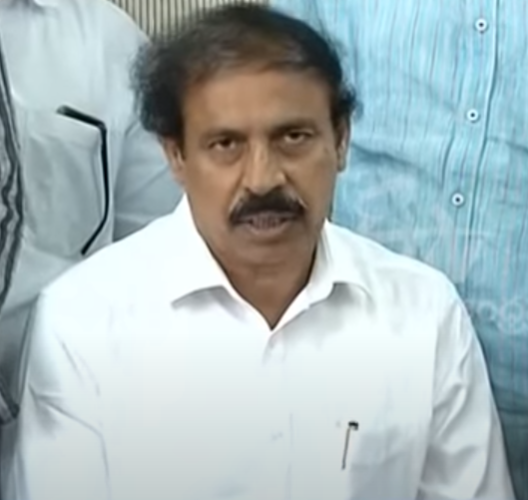
K. Ramakrishna is an Indian politician and currently serves as a National Secretary of the Communist Party of India (CPI). Prior to his elevation to the national secretariat, he served as the Secretary of the CPI Andhra Pradesh State Council.
Excerpts from his interview to Prime Post on National, Telangana and Andhra Pradesh issues.
Prime Post: In what ways are changing citizen expectations and demands for financial integrity reshaping traditional political narratives in both national and regional Indian governance?”
Ramakrishna: The political landscape in India is witnessing a critical shift as citizens increasingly demand accountability over rhetoric. From the national stage to regional power centers in Telangana and Andhra Pradesh, the gap between governance promises and reality has become a central point of public discourse. As major policy decisions and financial integrity come under the scanner, political parties are finding that long-standing electoral narratives may no longer shield them from public scrutiny.
PP: What are impacts on the SIT findings regarding financial mismanagement in the Shri Ram Janmabhoomi Teerth Kshetra Trust affected the BJP’s political narrative and public standing?”
Ramakrishna: For decades, the Bharatiya Janata Party (BJP) leveraged the Ram Janmabhoomi movement as a core socio-political pillar, eventually fulfilling its promise with the construction of the Ram Mandir in Ayodhya. However, recent allegations concerning the Shri Ram Janmabhoomi Teerth Kshetra Trust have severely impacted the party’s anti-corruption image.
Reports from a Special Investigation Team (SIT) have alleged significant financial misappropriation, suggesting that nearly Rs 10 lakh of Hundi (donation box) money, contributed by devotees globally, was siphoned off daily. Because the temple holds deep emotional and spiritual value for millions, these findings have triggered widespread public disappointment. To restore public trust, there are growing demands for Prime Minister Narendra Modi and Home Minister Amit Shah to table a transparent, comprehensive fact-sheet regarding the trust’s financial management before Parliament.
PP: what are the three main areas of economic policy facing heavy criticism, and what specific negative impact does each have on the public or the economy?
Ramakrishna: Beyond cultural issues, the government’s macroeconomic and labor policies face heavy criticism. National Debt Evolution: A stark point of contention is the trajectory of India’s national debt. Critics point out that the central debt, which stood at approximately Rs 55 lakh crore in 2014, has ballooned dramatically to an estimated Rs 2.30 lakh crore (in adjusted terms/alternative indices) by 2026, raising concerns about long-term fiscal sustainability.
Rural Distress via NREGS: The National Rural Employment Guarantee Scheme (NREGS)—recently rebranded or structurally modified as VB- G Ram G—has seen a reduction in allocated funds and a compression of guaranteed working days. This shift directly impacts rural laborers who rely on the scheme as a financial safety net.
Labor Code Overhauls: The consolidation of 44 historic labor laws into four streamlined labor codes has drawn sharp rebuffs from trade unions. Critics argue that these new codes have diluted the bargaining power and statutory rights of private-sector workers, favoring corporate flexibility over employee security.
PP: What action should the Telangana state government take regarding the Kaleshwaram Project, and who should be held accountable for its failures?
Ramakrishna: In Telangana, the political discourse remains dominated by the structural and financial controversies surrounding the massive Kaleshwaram Lift Irrigation Project. The public consensus is clear: the ongoing political mudslinging between the Bharat Rashtra Samithi (BRS) and the ruling Congress party yields no tangible benefits for the citizenry. Instead, the state government must immediately make the official Expert Committee report public. True justice lies in holding the specific individuals and contractors responsible for engineering and financial lapses accountable, rather than reducing the issue to partisan motto.
PP: What specific economic and legal actions by the current Andhra Pradesh administration have drawn criticism from opponents and civil rights advocates?
Ramakrishna: In Andhra Pradesh, Chief Minister N. Chandrababu Naidu is facing scrutiny less than two years after returning to power in 2024. During his campaign, Naidu heavily criticized the former Y.S. Jagan Mohan Reddy administration for pushing the state into a debt trap. However, current fiscal trends indicate that the current administration is utilizing similar debt-driven economic models, leading to allegations of unfulfilled election promises. Furthermore, the increasing invocation of stringent laws like the Unlawful Activities (Prevention) Act (UAPA) against political opponents has raised serious concerns among civil rights advocates regarding the health of democratic dissent in the state.
Whether evaluating national structural reforms or state-level infrastructure projects, the overarching theme remains the same. Public trust cannot be sustained on rhetoric alone. For governments to maintain stability and public support, they must prioritize transparent financial auditing, protect labor welfare, and ensure that investigative tools are used for genuine accountability rather than political leverage.
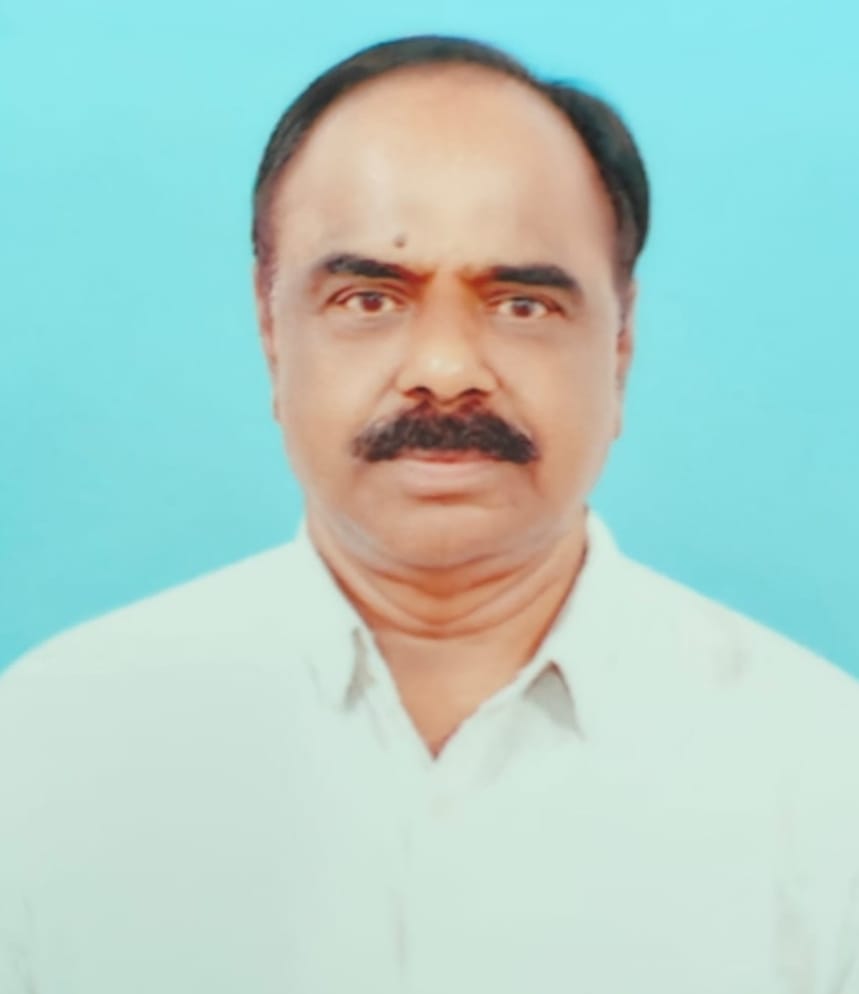
Principal Correspondent, Prime Post
CS Kulasekhar Reddy had thirty five years experience in journalism. He worked in Udayam and Andhra Bhoomi as reporter and sub-editor. He highlighted various social issues in Chitthoor, Ananthpur, Kadapa and Kurnool districts. He covered assembly sessions and Secretariat happenings.
Email: sangatiksr@gmail.com
Mobile: 9000400679


కమ్యూనిస్టు పార్టీలో రామకృష్ణ అన్నగారి ఎప్పుడు పేద బడుగు బలహీన వర్గాల ప్రజల పట్ల అనునిత్యం ఉద్యమాల రూపొందిస్తూ పేద ప్రజలను చైతన్యం చేస్తూ నిరంతర పోరాట శ్రామికుడు అన్న మరింతగా ఉన్నత పదవులు అధిరోహించాలని రాయదుర్గం నియోజకవర్గం సిపిఐ సమితిగా కోరుకుంటున్నాము