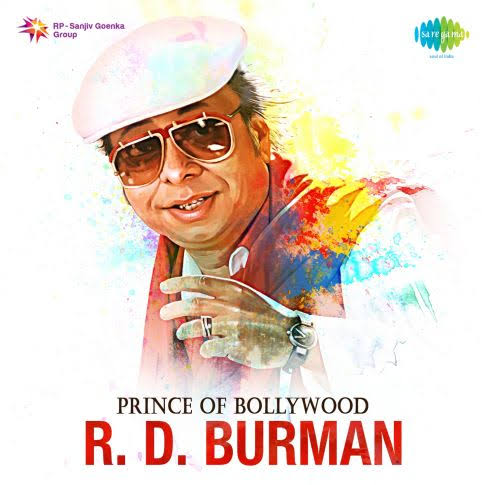
How R.D. Burman Revolutionized Bollywood Music
East Meets West: Decoding R.D. Burman’s Cross-Cultural Musical Legacy
The Architect of Sound
When Rahul Dev Burman—affectionately known as Pancham Da—burst into the Indian film music scene, he didn’t just write songs; he redrew the entire blueprint of Bollywood orchestration. Before him, Hindi film music was largely dominated by traditional, linear orchestral arrangements rooted in Indian classical or standard folk melodies. R.D. Burman shattered these conventions. By seamlessly blending Indian classical foundations with Western rock, jazz, funk, and Latin grooves, he created a high-octane, genre-blurring sonic universe that defined the youth culture of the 1970s and ’80s. To truly understand his genius, we must dissect his work across his passion on music that made him a visionary decades ahead of his time.
Orchestration and Spatial Sound Design
Pancham Da treated the recording studio as a canvas and orchestration as a three-dimensional experience. Moving away from the monolithic “wall of sound” approach common in early cinema, he introduced multi-layered orchestration where every instrument had its own breathing room. He understood stereo panning and spatial acoustics, placing specific instruments strategically across the left and right audio channels to create an immersive depth. His arrangements were dynamic; he knew exactly when to let a solo acoustic guitar whisper and when to unleash a roaring 50-piece orchestra.
Instrumental Brilliance and Technology
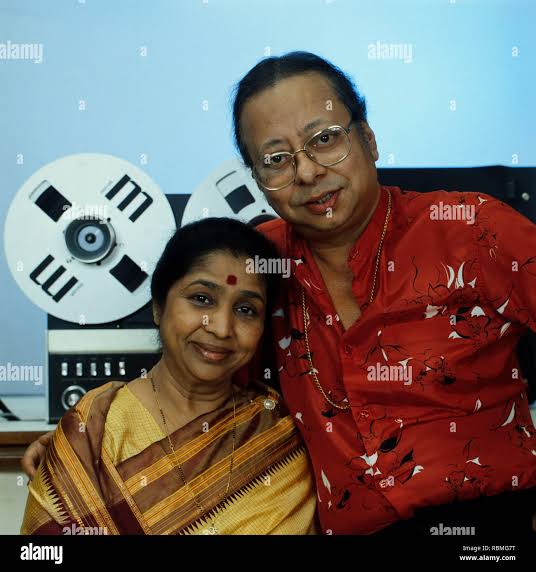
A fierce technocrat, Burman was a pioneer in introducing electronic instruments to India. He mainstreamed the electronic synthesizer, the Moog, and the electric bass guitar, transforming the texture of Bollywood scores. However, his instrumental brilliance wasn’t just about high-tech gear. It was also about elevating traditional instruments. He would take a santoor, a sarod, or a flute and place them alongside heavy electronic basslines, proving that tradition and modernity could not only coexist but electrify one another.
Iconic Riffs and Sonic Hooks
Long before Western pop terms like “earworms” became commonplace in India, R.D. Burman was the master of the musical hook. He understood that a song’s identity often lay in its intro or interlude riffs. Think of the haunting, reverb-soaked guitar intro of Dum Maro Dum (Hare Rama Hare Krishna) or the instantly recognizable string and synth riff that opens Mehbooba Mehbooba (Sholay). These riffs were so potent that they became cultural shorthand for the films themselves, lingering in the listener’s mind long after the vocal tracks faded.
Brass Sections and Global Rhythms
If Pancham’s music had a heartbeat, it was driven by Afro-Cuban, Latin, and jazz rhythms. He revolutionized the use of the brass section—trumpets, trombones, and saxophones—in Indian cinema. Instead of using brass merely for dramatic fanfare, he used it to drive funk and jazz grooves. Tracks like Chura Liya Hai Tumne (Yaadon Ki Baaraat) or Duniya Mein Logon Ko (Apna Desh) utilized punchy, syncopated horn sections that mirrored the international disco and funk movements led by artists like James Brown and Earth, Wind & Fire.
Unorthodox Sound Design and Found Objects
Perhaps the most whimsical yet brilliant facet of Pancham Da’s genius was his ability to find music in the mundane. He believed that the world was full of rhythm waiting to be unlocked. He famously rubbed a comb against a rough surface to create a scratchy percussion effect in Meri Samne Wali Khidki Mein (Padosan). He clinked beer bottles together to set the rhythm for Chura Liya Hai Tumne, and shook cups and saucers or exhaled sharply into microphones to generate eerie, rhythmic breathing patterns. This avant-garde approach to sound design turned everyday objects into musical instruments.
Vocal Alchemy and Versatility
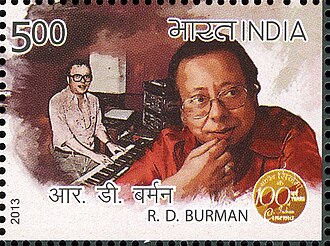
Burman possessed a rare, chameleonic ability to adapt his compositional style to the unique strengths of his singers, while simultaneously pushing them out of their comfort zones. He pushed Asha Bhosle to her vocal limits, transforming her into a versatile diva capable of belting out sultry cabaret tracks, rock anthems, and ghazals alike. Simultaneously, he tapped into Kishore Kumar’s raw, untutored energy to deliver some of the finest romantic and comic tracks in history. Yet, when tasked with classical purity, he could compose the pristine, raga-based masterpiece Raina Beeti Jaaye (Amar Prem) with Lata Mangeshkar, proving his deep roots in classical tradition.
Genre-Blending and Cross-Cultural Fusion
Pancham Da was a musical bridge between East and West. He did not merely copy Western trends; he hybridized them. He would pair a Bossa Nova rhythm with a deeply melancholic Indian melody, or layer a Punjabi folk beat over a heavy rock bassline. In movies like Teesri Manzil, he fused rock ‘n’ roll with Bollywood drama so seamlessly that it felt entirely organic to the Indian subcontinent. He made electronic rock, funk, and disco mainstream, capturing the rebellion, romance, and vibrancy of a changing youth demographic.
Everlasting Legacy and Modern Relevance
The true test of a pioneer is longevity, and R.D. Burman’s music remains remarkably timeless. Decades after their release, his tracks form the bedrock of modern Indian remixes, electronic dance music (EDM) samples, and reality show tributes. His background scores—most notably the thrilling, minimalist themes in Sholay—set the standard for cinematic tension in Indian filmmaking.
“Music is not just a collection of notes. It is the atmosphere you create between them.” — An philosophy embodied by Pancham Da’s endless experimentation.
By breaking away from the rigid, purely orchestral formulas of the past, R.D. Burman taught generations of Indian composers to look at music not as a set of strict rules, but as a playground of infinite sonic possibilities.
R.D. Burman’s unparalleled genius was recognized with three prestigious Filmfare Awards for his outstanding scores in Sanam Teri Kasam, Masoom, and his swan song, 1942: A Love Story, alongside an impressive tally of 17 nominations throughout his career. Beyond the accolades, his true impact lies in his enduring legacy, having fundamentally shaped and influenced the next generation of Indian music directors. His timeless songs continue to resonate deeply, remaining immensely popular both across India and with global audiences overseas. As a testament to his profound artistry, he is widely celebrated with the accolade: “He was the most influential Bollywood music composer of his time… Introduced western influences to the masses.”
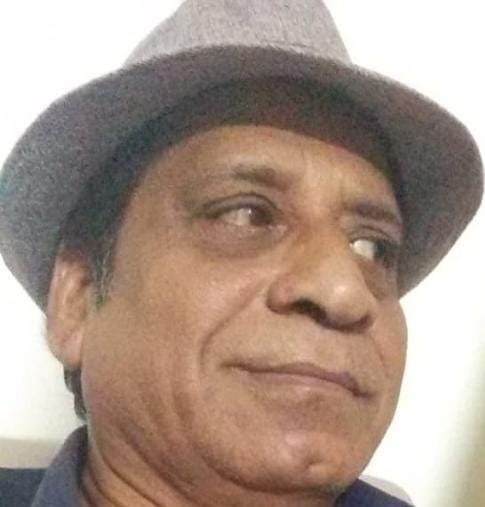
Principal Correspondent, Prime Post
Vidya Sagar Chaturvedula is a passionate film enthusiast whose four-decade career spans multiple sectors, including media and industry. Fluent in Telugu, Hindi, and English, he has a deep appreciation for cinema, particularly films in those three languages. His passion goes beyond simple viewing; he enjoys analyzing directional skill, the emotional depth of actors’ performances, and the profound meaning embedded in dialogue. Mr. Sagar is known for his ability to clearly articulate and narrate his insightful film analyses after watching a movie.
Email: sagar.chaturvedula@gmail.com
Mobile: 9030702917
R D Burman was a Legendary Music director cum singer in Indian Hindi film industry. Good narrative about him.
As you rightly said he achieved so many awards. His music is devine and is memorable. Thanks for sharing.
Excellent 👌
Your Review is very good sir
R D Burman one of best director
Who gave many musical hits
Liked by every Family He gave many box office hits
Once again very good Review.
Lengendery composer brilliant review
RD Burman is a great singer n music director. I like him very much. He has given lot of super duper hit songs in Hindi films.
Hindi cinema can remember him forever.
Great music composer n singer of our times.
The jewel that he was, those jewels that he composed were a family unto themselves.
He married another jewel Asha Bhonsle and composed some more jewels. No end to the glitter that was his world
Good review sir 👍
RD Burman, a legendary music director, is known as Pancham Da. His high-energy songs appealed massively to the youth. He composed many super-hit songs. Great review.
RD Burman..ఈయన మంచిపేరుపొందిన సంగీత దర్శకత్వం వహించినవారు.ఆయన చేసిన పాటలు మంచిహిట్టయినవి. Very nice review 👍
Good review.
Panchamda innovative and creative in every bit of his music composition, which you’ll never get bored listening to it. I think that was the industry he had always been dedicated to and entertained us for an era. 🙏
This is a fantastic piece on RD Burman. Good job.
Good review..👍
Very good Review Sagar garu 🙏
Good review