“In this (Salwa Judum) judgment, Justice Sudershan Reddy (speaking on behalf of the bench comprising himself and Justice S.S. Nijar) profoundly and passionately explained the unconstitutional and highly undemocratic nature of the state’s response through the deployment of Special Police Officers (SPOs) or the ‘SalwaJudum‘. He highlighted how this was organized and legally managed by the Chhattisgarh state government, operating through the bureaucracy and under a democratic facade, fully supported, funded, and encouraged by the Central Government.
This judgment aptly commented on “development terrorism,” the “resource curse,” the “Washington Consensus,” “fascist tendencies,” and the destructive consequences of such policies. This judgment is courageous. It is innovative. It is a brilliant intellectual analysis of numerous constitutional and legal aspects relevant to this context.
“If one searches legal texts concerning the root causes of the problems faced by Adivasis and other oppressed classes in society, about violence and counter-violence, and above all, about the consequences when the State itself violates the law, one will not find another judgment equal to this one. In a word, this is a commendable judgment that stands as an exemplar of democratic jurisprudence.” This was said by Justice B. P. Jeevan Reddy, an illustrious judge of the Supreme Court, in his forward to Professor Madabhushi Sridharacharyulu’s Telugu translation of Salwa Judum judgment. The translation was published by Malupu Books in 2013.
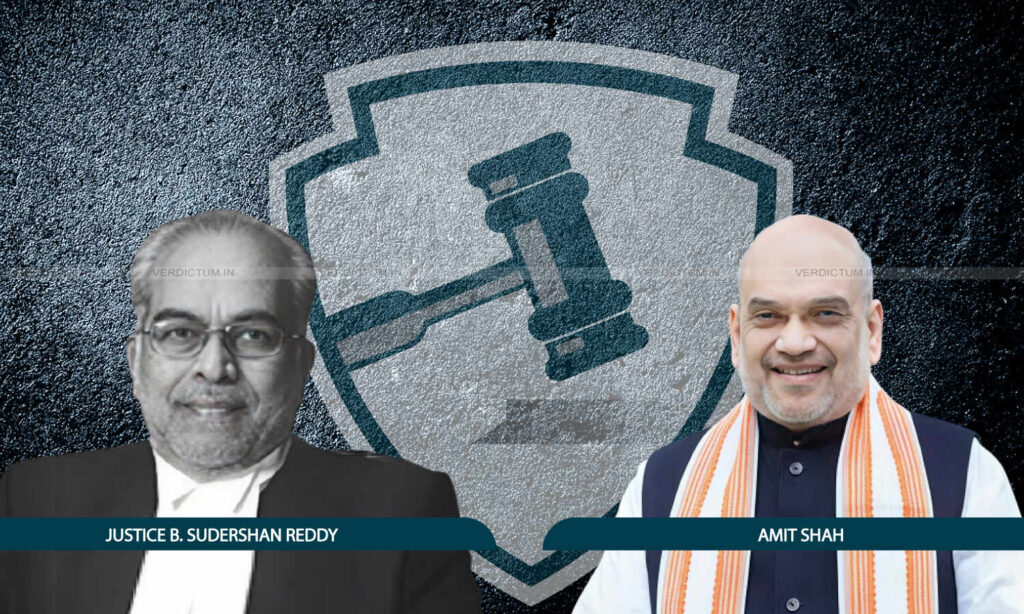
Union Home Minister Amit Shah apparently was not properly informed about the judgment and its background but had the temerity to make a statement on the judgment and Justice Sudershan Reddy on the floor of the Lok Sabha on 30 March 2026. This is not the first time that Amit Shah has criticised the SC judgment on Salwa Judum. When campaign was going on for the election of Vice-President in last August, Amit Shah criticised the judgment and called Justice Reddy an urban naxalite.18 former Supreme Court and high court judges, among many others, have issued a joint statement criticising Amit Shah’s remarks on the 2011 Salwa Judum ruling. Justice Reddy on his part had maintained dignified silence.
In the case of Nandini Sundar vs State of Chhattisgarh, the judgment written by Justice Reddy was historic. It examined whether the policy adopted by the Centre and the State of Chhattisgarh to counter the Maoists is in accordance with the constitution or not.The judgment made it clear that it is neither constitutional nor in accordance with the fundamental rights of the citizens to arm the tribal youth asking them to fight the Maoists. Appointing the tribal youth as SPOs and training and arming them to fight Maoists was absolutely unconstitutional. It is against the Article 14 (All are equal before law) and Article 21 (Right to live with self respect). The judgment asked the government to disband the unlawful Salwa Judum, take back the weapons given to the tribal youth and deal with the Maoists through the constitutionally approved methods of deploying the security forces. This judgment given a few days before Justice Sudershan Reddy’s retirement in 2011 is considered as a lesson in the rule of law. It made it clear that the responsibility of the government is safeguard the citizens and juxtapose them with Maoists thus endangering the former’s lives. Through this landmark judgment, Justice Reddy sent a clear and powerful message to the government regarding the protection of citizens’ rights. It was a significant step in defending human rights and constitutional values. This verdict stands as a notable example of judicial concern for human dignity in Indian legal history.
In his highly deplorable statement in August, Amit Shah had further stated that if a person, while acting as a judge, allows personal ideology to influence judicial reasoning, wears constitutional robes, converts ideology into judicial orders, and delivers judgments that allegedly lead to adverse consequences for innocent tribals, such judgments deserve strong condemnation. Justice Reddy was nominated by the opposition as an independent candidate in Vice-Presidential election. He conducted himself during the election campaign with utmost dignity and refrained from making political statements. It was reported that Prime Minister Narendra Modi had asked Shah not to attack Justice Reddy any more during the campaign. The HM was silent afterwards. Such ‘prejudicial misinterpretation’, the retired judges in a joint letter said, will have a ‘chilling effect on the judges of the Supreme Court, shaking the independence of the judiciary.’
But in his enthusiasm to declare that his statement that India would become Maoist-free by 31 March 2026 has almost got vindicated with hundreds of Maoists killed and hundreds surrendered with a few left in forests, Amit Shah referred to Justice Reddy and Salwa Judum judgment once again. He said that at the beginning of 2024, there were 21 Politburo and Central Committee members of the Communist Party of India (Maoists), but as of today, one was arrested, seven surrendered, 12 were killed, and dialogue is on with the absconding member who is expected to surrender soon. “Thus, their Politburo and central structure have been almost completely dismantled. Our goal was a Naxal-free India by March 31. The country will be informed once the entire process is formally completed, but I can say that we have become Naxal-free,” Mr. Shah said, while replying to a discussion on Maoism in the Lok Sabha.
It is alright if one disagrees with a judgment. But attributing motives to the honourable judge and saying that he had a philosophy which supported Maoists and calling him an urban Naxalites is unbecoming of any citizen leave alone the Home Minister. And the judge in question had given extraordinary judgments in SC and after retirement he has been spending his time serving the society, He is considered an authority on the constitution, Ambedkar and Ram Manohar Lohia.
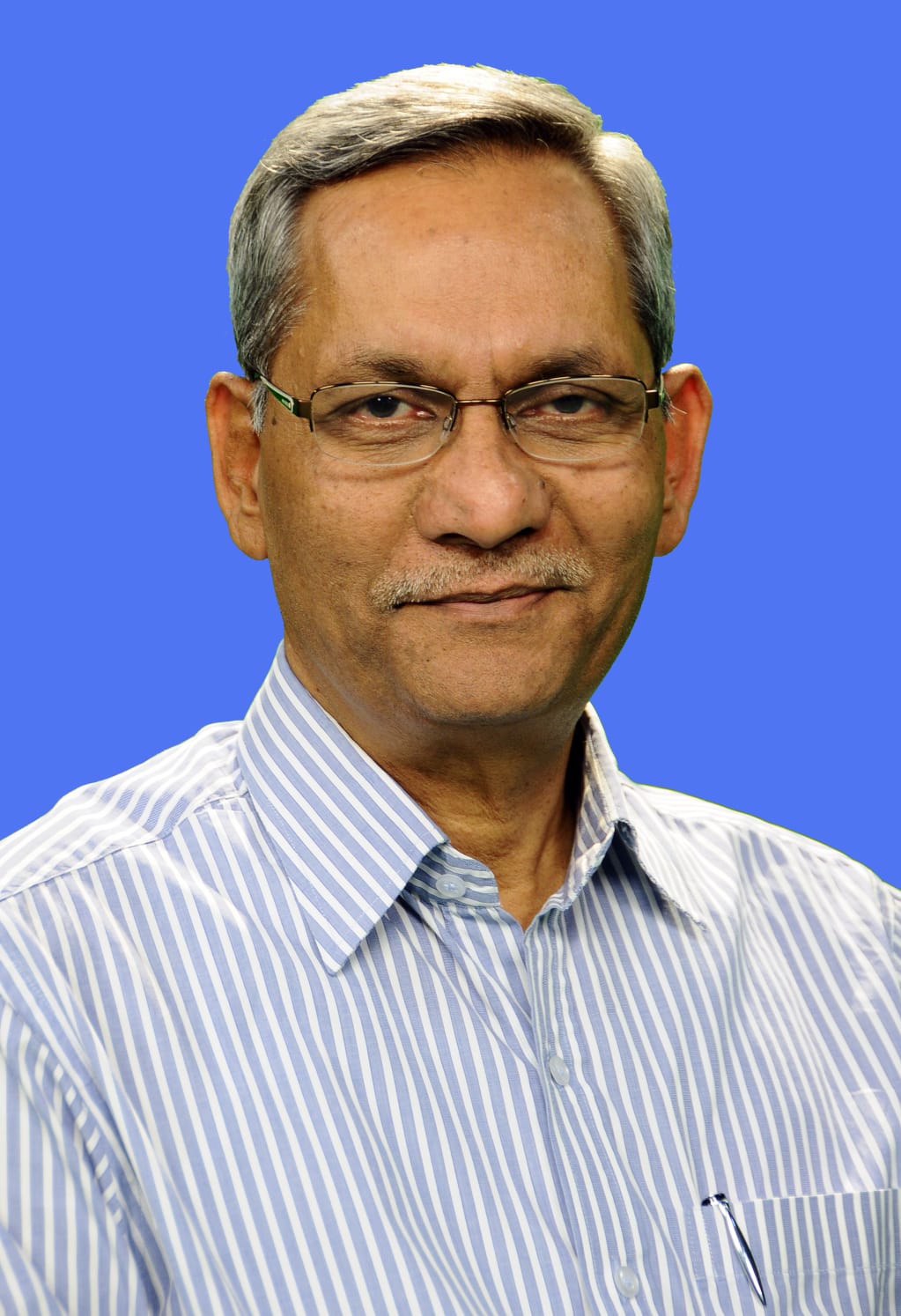
Prominent Journalist
Dr. K. Ramachandra Murthy is a versatile journalist with a distinguished career. Dr. Murthy began his extensive career with Andhra Prabha of The Indian Express group in Bengaluru. He was editor of Udayam, Vaartha and Andhra Jyothy. Dr. Murthy founded and edited HMTV news channel and The Hans India, an English newspaper. He was also editorial director of the Telugu newspaper, Saakshi. He was awarded Ph. D for his research work in rural reporting. Dr. Murthy’s five decades in journalism showcases his influential roles across both print and electronic media. He wrote the political biography of NTR published by Harper Collins.
Email: murthykondubhatla@gmail.com
Mobile: 9908002211