- The Geopolitical Trap: Hezbollah, Israel, and the Litani Buffer
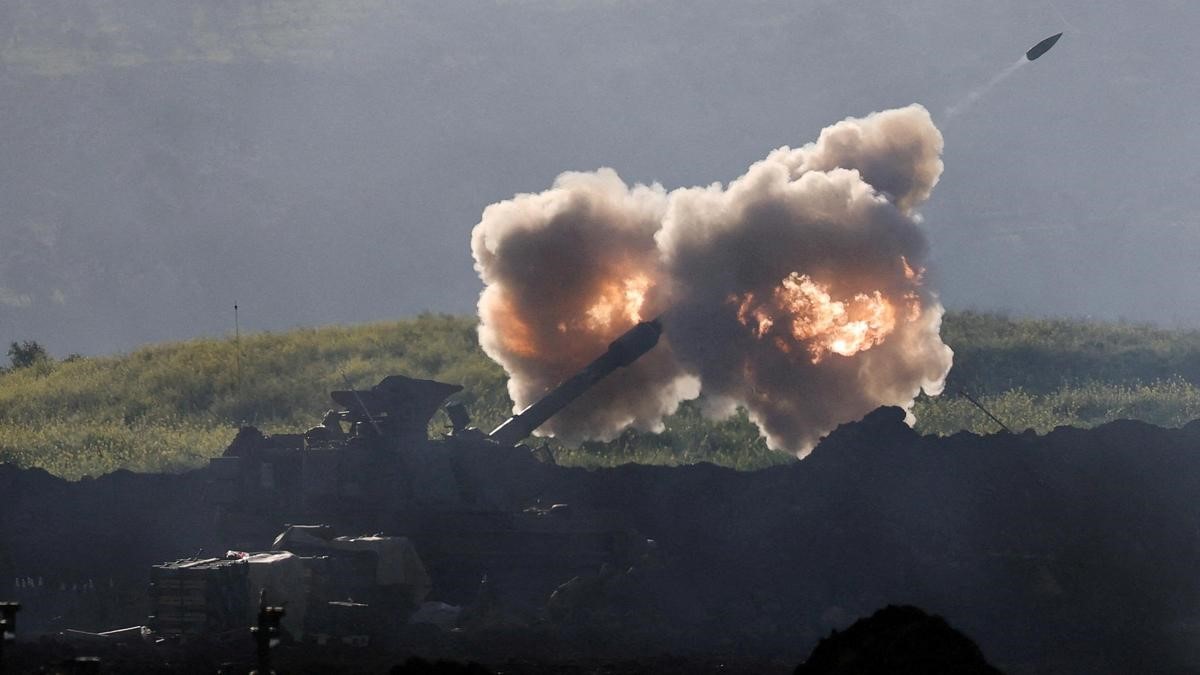
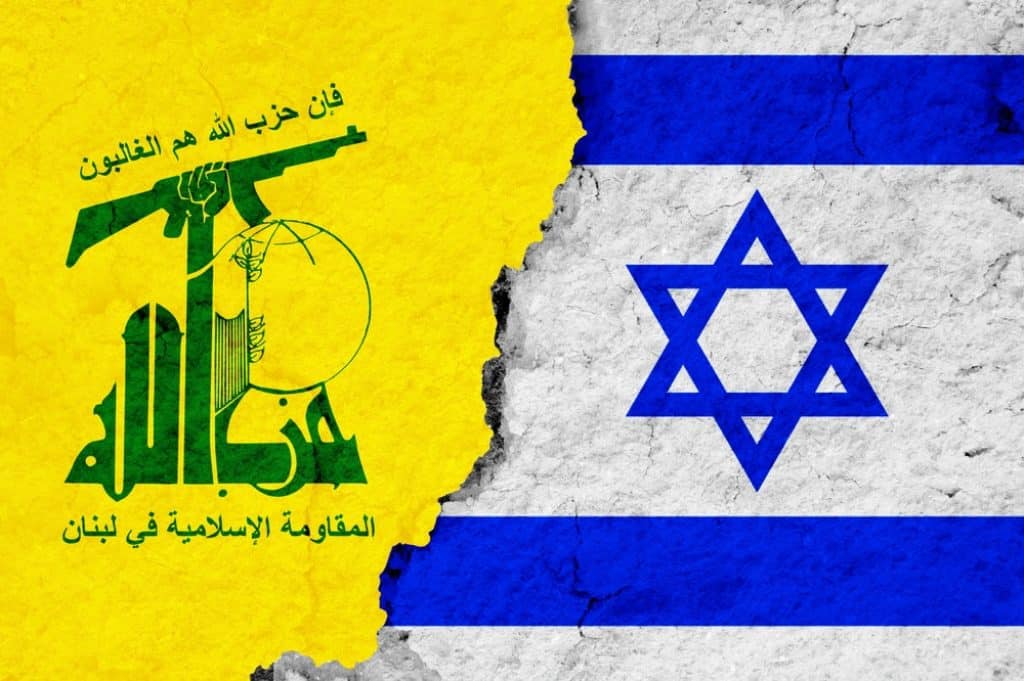
Why is Israel attacking Lebanon and killing hundreds of people? Lebanon is a most unfortunate country on the earth. It has been caught in a situation from which it cannot wriggle out. France is the only notable country which has been helping it. Israel’s quarrel is not with Lebanon but with Hezbollah which dominates Lebanese society. Hezbollah has been attacking Israel from Lebanese soil. Israel in turns wants to occupy southern Lebanon till Litani river to have a buffer with Hezbollah. The river is located about 30 kilometers from Israel-Lebanon border.
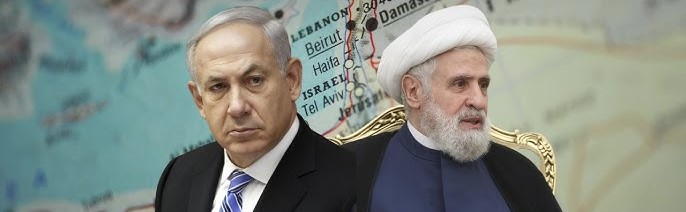
Hezbollah claimed on Thursday that it had destroyed Israel’s 21 Markeva tanks by using drones, missiles and rockets on northern Israel. Israel on the other hand had killed three persons and wounded eleven persons in its attack on Southern Lebanon on Thursday. Since the US-Israel war on Iran expanded to include Lebanon, official figures from Israel and Lebanese health authorities indicate that 5, 473 Israelis have been killed or injured while Israeli strikes in Lebanon have left 1,094 Lebanese dead and 3,119 wounded. Hezbollah chief Naim Qassem has called for national unity as Israel continues its military assault on Lebanon, vowing to continue fighting without limits as Israeli aerial and ground attacks have killed more than 1,000 people across the country. In a statement on Wednesday, Qassem said Lebanon face two choices: “either surrender and give up our land… or inevitable confrontation and resistance” against Israel.
The Shadow of Tehran: Hezbollah as a Regional Proxy
Hezbollah is a militant political party in Lebanon comprising the Shia community. It has not only a military wing but also a political party which is widespread in Lebanese society. It is heavily financed, armed and trained by the Islamic Republic of Iran. It is an important regional proxy of Iran. Hezbollah is Iran’s armed force which takes orders from the Supreme Leader of Iran and acts in the interest of Iran, especially against Israel. Iran provides hundreds of millions of dollars in annual funding. Hezbollah is trained by Islamic Revolutionary Guard Corps (IRGC). The Lebanese group adheres to Iran’s Velayat-e-Faqih ideology. It is a component of Axis of Resistance to protect Iran’s interests. When the US and Israel started bombing Iran killing its Supreme Leader Ayatollah Ali Khamenei and more than half a dozen Iranian leaders, Hezbollah started pounding northern Israel. Both the assassination of the supreme leader and his colleagues and the airstrikes by Hezbollah group are condemnable. Many countries like India did not condemn either the assassinations or Hezbollah’s actions. That is a different aspect.
A Humanitarian Catastrophe: The Toll on Civilians and Heritage
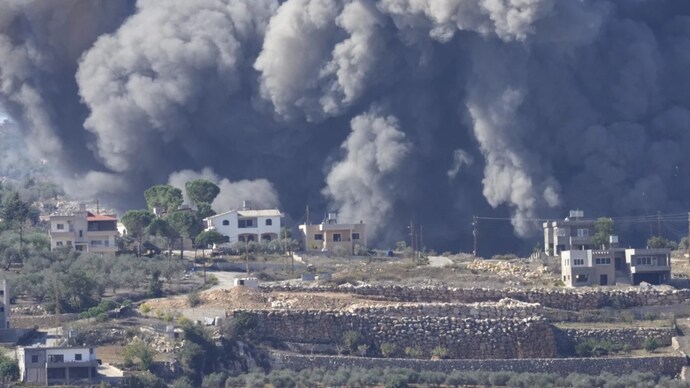
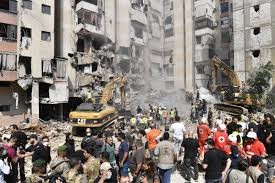
Israel’s reaction has been disproportional and it attacked not only southern Lebanon where the Hezbollah is present but also other parts of the country, including its capital Beirut, killing as many as thousand people. More than one hundred of them are children. Israel also attacked Naquora, the headquarters of the United Nations Interim Force in Lebanon (UNIFIL), which has more than six hundred Indian troops along with the soldiers of other countries. Israel has attacked Tyre, a UNESCO world heritage site known for Roman-era ruins. Israel’s rocket strikes on buildings in densely populated areas have taken a heavy toll. More than one million people have been displaced. Around 150 medical facilities were destroyed. It is a humanitarian catastrophe.
It is not the first time that Israel attacked Labanon. There was a conflict in 2024. Hassan Nasrallah, Hezbollah Secretary General, and his likely successor Hashem Safieddine were assassinated by Israel in a full-scale offensive in September 2024 when there were major airstrikes in Beirut and ground invasion of southern Lebanon. About a thousand people were killed in Lebanon.
The Ghost of 2006: The Failure of Disarmament and Diplomacy
In the process Israel had destroyed many military installations. There was a displacement of 1.4 million people in Lebanon and 96,000 people in Israel. This conflict was a result of Gaza killings by Israel since October 2023. There was sporadic firing between Israel and Hezbollah to start with on a tit for tat basis. Israel had shifted from defensive to offensive posture in 2024 and undertook a large scale invasion. In October 2024 the US and France had interfered and brought about a truce according to which Lebanon is supposed to have disarmed Hezbollah. It was on the lines of UN resolution number 1701 which ended Lebanese war in 2006. According to that resolution, Hezbollah has to be confined to north Lebanon and Israel has to exit Lebanon. Lebanese armed forces only should wield arms and Hezbollah has to be disarmed. But the fact of the matter is that the military of Lebanon was so small that it cannot disarm Hezbollah which is omnipresent in Lebanese society. It has its members in Lebanon parliament and Lebanese civil society. Israel has been killing Hezbollah leaders. The group has appetite to fight and Iran to supply arms and funds. There was no attempt by any big country to negotiate, strengthen the Lebanese armed forces and make the country’s defence forces capable of keeping Hezbollah at bay.
The Pluralistic Identity of a Shattered State
Though the largest religion is Islam, Lebanon is not an Islamic country. It is a secular country with about 65 to 70 percent of its population Muslim (comprising both Shias and Sunnis) and about 30 to 32 percent Christian. Its political power is shared among 18 recognized religious sects. By tradition the president is a Maronite Christian, the Prime Minister a Sunni Muslim and the Speaker of Parliament a Shia Muslim. The country was under French rule for 23 years after the first World War. Even today, France has best of relations with Lebanon. It has also a refugee problem to contend with. Refugees from Syria and Palestine are present in Lebanon. About 1.5 million Syrians are sheltered in Lebanon. If the current displacement caused by Israel attacks is added to the problem it would become a big crisis.
A Path Forward: Sovereignty and International Intervention
Israel and Lebanon have always been adversaries. But for the first time Lebanese government has offered to have direct talks with Israel and it has also declared the Iranian envoy persona non grata. Which means, it had acted independent of Hezbollah leadership. Lebanese economy has not been doing well. There has been no help from international community. India which has friendly relations with almost all the Gulf countries is in a position to help Lebanon like it did in 2006. More than financial help, what Lebanon needs is some big country to stall Israel from occupying southern Lebanon. Otherwise, it would be big blow to the already shattered country.
Prominent Journalist
Dr. K. Ramachandra Murthy is a versatile journalist with a distinguished career. Dr. Murthy began his extensive career with Andhra Prabha of The Indian Express group in Bengaluru. He was editor of Udayam, Vaartha and Andhra Jyothy. Dr. Murthy founded and edited HMTV news channel and The Hans India, an English newspaper. He was also editorial director of the Telugu newspaper, Saakshi. He was awarded Ph. D for his research work in rural reporting. Dr. Murthy’s five decades in journalism showcases his influential roles across both print and electronic media. He wrote the political biography of NTR published by Harper Collins.
Email: murthykondubhatla@gmail.com
Mobile: 9908002211

It’s mutual interest between two muslim countries. As Iran provided military base to Lebnan to fight against Israel. Israel started eliminating Lebnan army people.