When Loyalty Becomes a Trap
Every leader eventually faces a moment of reckoning. A crucial team member stops performing, creates systemic friction, or becomes the centre of a growing public crisis. The dilemma is universal, whether in a corporate boardroom, an academic institution, or the halls of governance. Do you hold on out of personal loyalty and political convenience, or do you make the painful choice to step aside or cut ties to protect the collective good?
In modern corporate life and public administration, leadership often swings between two extreme choices. On one end lies cold, knee-jerk termination that destroys morale and leaves no room for human empathy. On the other end lies a far more common and subtle trap: defensive holding-on. Leaders routinely shield ineffective colleagues or cling to their own positions long after their presence has become an undeniable liability.
We see this pattern play out regularly across institutions. High-profile figures remain in power through escalating blunders and administrative failures, yielding only when public outrage leaves no alternative. This prolonged reluctance to act damages institutional credibility and places an unfair burden on the rest of the team. When a leader refuses to address a non-performing member, the rest of the organisation is forced to carry the weight. Over time, high performers become demotivated, standards erode, and public trust completely collapses.
Ancient Indian thought offered a remarkably practical middle path out of this dilemma. Rather than treating loyalty or tenure as an absolute, unbending rule, classical texts viewed duty as dynamic and deeply tied to institutional health.
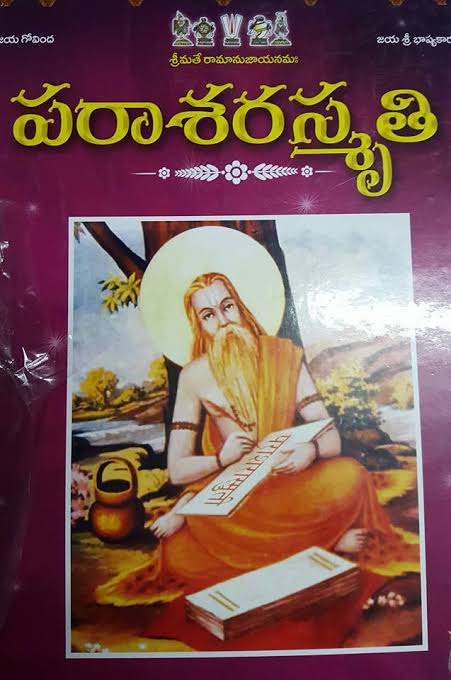
In the Parashara Smriti, the sage Parashara addressed the inevitable breakdown of human relationships and social contracts. He recognised that rules must adapt to the practical realities of the time, a concept known as Yuga-Dharma. When a partnership or social commitment no longer fulfils its core purpose, holding on out of blind tradition causes far more harm than letting go. Parashara provided a clear moral and legal framework to dissolve dysfunctional bonds, giving society explicit permission to end broken arrangements to protect the health of the community.
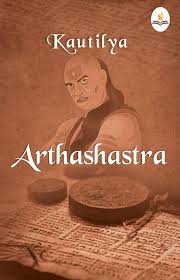
This social jurisprudence was given sharp administrative force in Kautilya’s Arthashastra. Kautilya viewed high officials and advisors as the fundamental pillars supporting the state. However, he warned that an unfit, corrupt, or incompetent minister was like hidden decay inside a wooden support beam. Left unchecked, a single weakened pillar would eventually bring down the entire structure.
To prevent this kind of institutional collapse, Kautilya established rigorous methods to evaluate an official’s true capability and integrity throughout their tenure. Through continuous assessment of character, known as Upadha, the state monitored whether an official remained fit for their responsibilities. To Kautilya, retaining a minister who repeatedly failed in their duties out of sentimentality or political shielding was not an act of kindness. It was a dangerous form of administrative self-sabotage that jeopardised the welfare of the entire population. He advocated for swift removal or reassignment whenever an official proved incapable of carrying their weight.
In contemporary management and governance, these ancient lessons carry profound relevance. A position on a team or a public office is a trust, not a personal possession or a permanent entitlement. When an individual becomes a persistent burden to the mission, forcing an entire team or nation to carry that weight indefinitely is a fundamental failure of stewardship.
Leaders often hesitate to act because they confuse genuine loyalty with passive tolerance. True loyalty is not about shielding someone from the consequences of their performance. True loyalty is owed first and foremost to the institution, the team, and the people the organisation serves.
Knowing when a partnership or a tenure has run its course requires quiet courage. Dismissing a failing colleague or choosing to step down when one’s presence becomes a liability is not an act of defeat. When handled with dignity, clarity, and fairness, letting go is the ultimate act of leadership that restores trust and ensures the survival of the institution.
Author Biography: – R Srinivasa Murthy, the author, is a corporate leader, an independent writer, and a student of Hindhu Philosophy. He Identifies as a Demystic, committed to removing unnecessary mysticism from traditions to offer practical systems for the next generation. His upcoming book, Logic of And: Sanatana Dharma as a Toolkit for the Contemporary Seeker, aims to bridge ancient wisdom with modern life to foster an inclusive, living civilisation.

With a journalistic long journey, we bring you https://primepost.news, a dynamic platform committed to unraveling the intricate tapestry of Indian politics, particularly delving deep into the heart of Telangana and Andhra Pradesh. Our blog is not just a source of news; it’s a reservoir of insights, analysis, and thought-provoking reviews.