BMS is pressing for a substantial increase in the minimum EPS-95 pension
Reforming and Enhancing EPS-95 Minimum Pensions
Upgrading Insurance Support and Removing Gratuity Caps
The union advocates for removing caps on Employee Deposit Linked Insurance (EDLI)
Demands include raising the overall PF wage ceilings to provide more substantial long-term financial security for retired workers
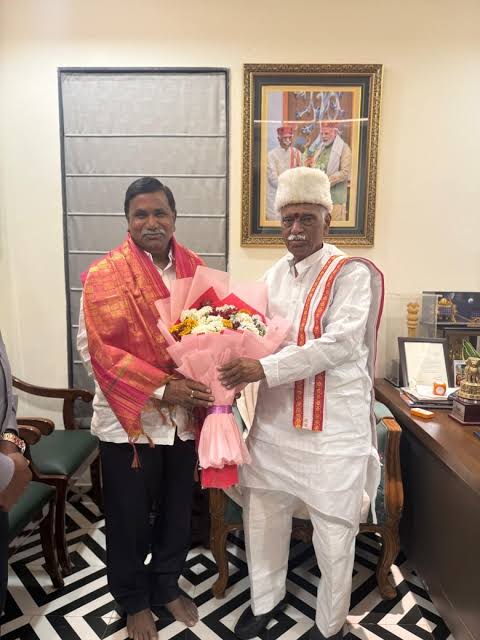
Bharatiya Mazdoor Sangh (BMS) All India President Sunkari Mallesam, in an interview with the Prime Post, outlined the central and state governments’ pressing obligations toward workforce welfare, labor code reforms, and social security expansion. Bringing over four decades of grassroots trade union experience—ranging from his early days at IDPL Hyderabad to leading public sector units and the Employees’ State Insurance (ESI) Corporation—Mallesham detailed the major hurdles currently facing India’s labour force.
Prime Post: What specific demands does BMS have regarding ESI and Provident Fund (PF) coverage for unorganized and contract workers?
Mallesam: We demand that ESI facilities be implemented nationwide across all districts, as many districts lack proper infrastructure, leaving workers without medical support or compensation during workplace accidents. For the Provident Fund, we are pushing to increase the minimum pension (which is currently very low at ₹1,000) to ₹7,000, raise the PF wage ceiling, and remove caps on Employee Deposit Linked Insurance (EDLI) so that families of workers who pass away can receive adequate support (raising the minimum payout from ₹2.5-3 lakh to a minimum of ₹7 lakh). Furthermore, gratuity ceilings should be removed or increased from the current ₹20 lakh limit to better support retired workers and their families.
Prime Post: What is the current situation regarding scheme workers, such as Anganwadi workers?
Mallesam: Scheme workers like Anganwadi workers have been working under scheme names for 50 years without proper wages or social security benefits, often receiving meager amounts that do not exceed ₹14,000–15,000 despite long working hours. BMS demands that Anganwadi workers and other scheme workers be properly recognized as regular workers, brought under the minimum wage framework, and granted industrial dispute act protections.
Prime Post: What are the specific concerns regarding Vizag Steel Plant employees and pension/bonus issues?
Mallesam: Regarding the Vizag Steel Plant, workers applied for higher pensions within the deadlines set by the Provident Fund authorities, but management and authorities created confusion and administrative hurdles, causing many applications to be delayed or ignored. We are actively discussing with management and pushing for these applications to be processed fairly, ensuring workers receive their rightful higher pensions and festival bonuses without exclusion.
Prime Post: What are the major challenges currently faced by workers, especially regarding new labour laws and codes?
Mallesam: The conditions of workers are deteriorating because labor-related laws and employer management systems are often unfavorable to workers. Although BMS has welcomed two labor codes (the Code on Wages and the Code on Social Security), changes and modifications are being sought in other codes like the Industrial Relations Code (IR Code 2020) and the Occupational Safety, Health and Working Conditions Code (OSHW Code 2020). A major concern is that out of 50 crore workers in the country, only about 3.5 crore have ESI facilities (around 7%), and only about 8 crore have PF coverage (around 15-16%), leaving the vast majority of social security benefits out of reach.
Prime Post: Can you elaborate on your roles within central government public sector organizations and the Employees’ State Insurance (ESI) Corporation?
Mallesam: From 1996 to 2003, I served in national leadership roles for public sector undertakings under the Public Sector Employees Confederation (PSENC), holding positions like All India President and General Secretary. I was nominated as an ESI Corporation member in 1999, serving for two and a half terms. During this time, I worked to understand ESI hospital and dispensary issues and represented them nationally to improve ESI/ESI-C institutions in both Telangana and Andhra Pradesh. Later, I served as the All India BMS Secretary from 2017 to 2026, and in 2026, I was given the All India President responsibility at the Kanpur/Bhubaneswar conference. Currently, I am also a Board Director on the Central Board of Trustees (CBT) for the Provident Fund (PF).
Prime Post: What is the overarching message and goal of the Bharatiya Mazdoor Sangh moving forward?
Mallesam: BMS strives to ensure that the lives and dignity of all workers—especially the 50 crore unorganized, contract, and scheme workers in India—are protected through decent working conditions, minimum wages, social security, and fair legal frameworks. We urge all workers to unite and work collectively so that the welfare of the common worker is prioritized by the government and employers alike.
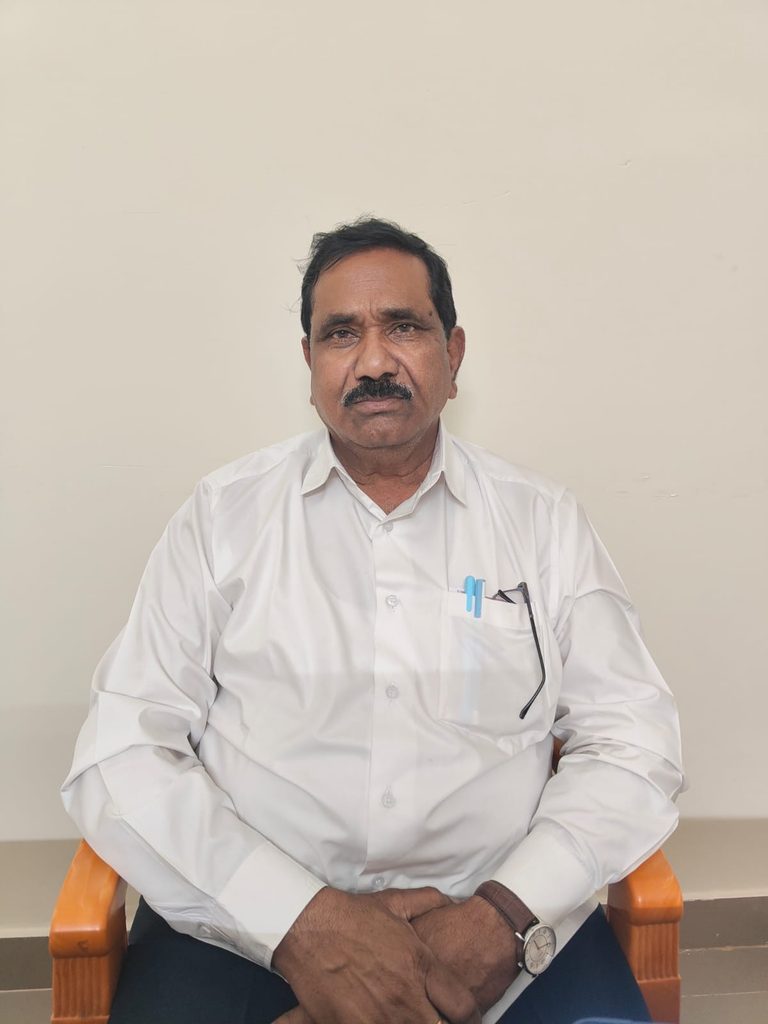
Prime Post: What are the union’s primary demands regarding social security coverage expansion and pension revisions for Indian workers?
Mallesam: Out of India’s estimated 50 crore workers, only about 3.5 crore are covered under ESI and roughly 8 crore under Provident Fund (PF). The union demands the nationwide expansion of ESI facilities to every district to eliminate infrastructure gaps. This expansion ensures that workers have guaranteed access to medical safety, healthcare, and proper accident compensation. The union is pressing for a substantial increase in the minimum EPS-95 pension, moving it up from the current low of Rs1,000. Demands include raising the overall PF wage ceilings to provide more substantial long-term financial security for retired workers. These revisions aim to tackle the inadequacy of current retirement payouts amidst rising living costs and inflation.
Prime Post: Could you please give details yourself and share some details about your background in the labor movement?
Mallesam: I serve as the All-India President of the Bharatiya Mazdoor Sangh (BMS). I have been working in the laboor sector for about 45 years. Initially, in 1980, I joined the IDPL Pharmaceuticals employment in Hyderabad. From 1980 to 2003, while working there, I joined the BMS union, serving in various capacities such as Union Secretary, General Secretary, and President from 1982 to 2003. In 2003, I took voluntary retirement and worked as a BMS worker in Hyderabad, handling various responsibilities in the zonal system and at the state level. When BMS AP and Telangana were together, I was elected as the General Secretary for both states in 2003 and served as President for about six years until 2012. Even after the states separated, I was given national responsibilities in BMS.
Principal Correspondent, Prime Post
CS Kulasekhar Reddy had thirty five years experience in journalism. He worked in Udayam and Andhra Bhoomi as reporter and sub-editor. He highlighted various social issues in Chitthoor, Ananthpur, Kadapa and Kurnool districts. He covered assembly sessions and Secretariat happenings.
Email: sangatiksr@gmail.com
Mobile: 9000400679