Navigating the Global Diesel Crisis
Causes, Geopolitics, and Supply Realities
Diesel has emerged as a cornerstone of India-US strategic energy diplomacy, turning India into an indispensable global refining platform. By leveraging Jamnagar’s massive processing capability to turn crude into high-grade fuel for Western markets, India effectively mitigates U.S. inventory squeezes and stabilizes global diesel flows—elevating a vital industrial commodity into a powerful lever in bilateral trade relations. The global economy is facing a persistent crunch in middle distillates, particularly diesel. Unlike crude oil supply shortages, the diesel crisis is rooted in refining capacity deficits, shifting geopolitical alliances, and structural trade re-alignments.
Root Causes Behind the Global Diesel Crisis
The current global diesel shortage stems from several overlapping factors:
Refining Capacity Deficit: The phase-out and conversion of traditional oil refineries during the COVID-19 pandemic reduced global refining margins. When industrial and transport demand rebounded, processing capacity could not keep pace. Sanctions and Supply Chain Disruptions: Sanctions imposed following the Russia-Ukraine conflict rerouted energy trade routes, forcing tankers onto longer maritime voyages that locked up inventory in transit. Yield Mismatches: Heavy crude slates—which yield higher diesel ratios—have faced supply restrictions, leaving refiners reliant on lighter crudes that produce more gasoline than diesel.
Is Russia Facing a Diesel Scarcity?
Russia is not experiencing an outright physical diesel scarcity, as it produces far more diesel than its domestic market consumes. However, it faces periodic supply bottlenecks and strict market regulations. Domestic Balances: Russian domestic diesel consumption stays around 140,000 tonnes per day against higher production levels, leaving substantial volumes available for export. Infrastructure Constraints: Ukrainian drone strikes on refineries, coupled with logistical delays in regions like the Black Sea, have occasionally limited refined product distribution. Policy and Sanctions Shifts: Russia relies on export quotas to stabilize its internal market. Recent diplomatic developments and temporary sanctions adjustments have allowed Russian diesel shipments to resume to markets like Türkiye, Brazil, and even targeted deliveries into North America.
The Position of the United States
The U.S. faces tight distillate inventories, particularly on the East Coast. Low Inventories, High Prices: While national distillate stocks are not at absolute historical lows, regional inventories (especially PADD 1/East Coast) sit well below their five-year averages. This has kept retail diesel prices near record highs. Pragmatic Diplomacy: To secure domestic energy requirements and soften inflationary pressures, the U.S. has adopted a pragmatic approach—engaging with major refining hubs like India and allowing select Russian diesel shipments to ease local market pressure.
India’s Position and the Role of Reliance Refineries
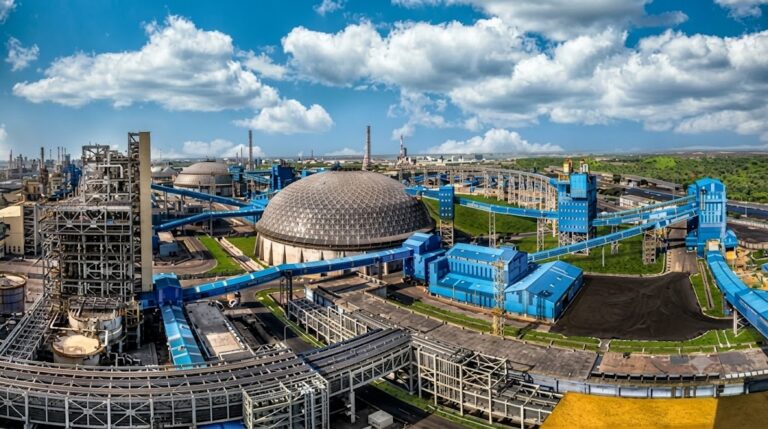
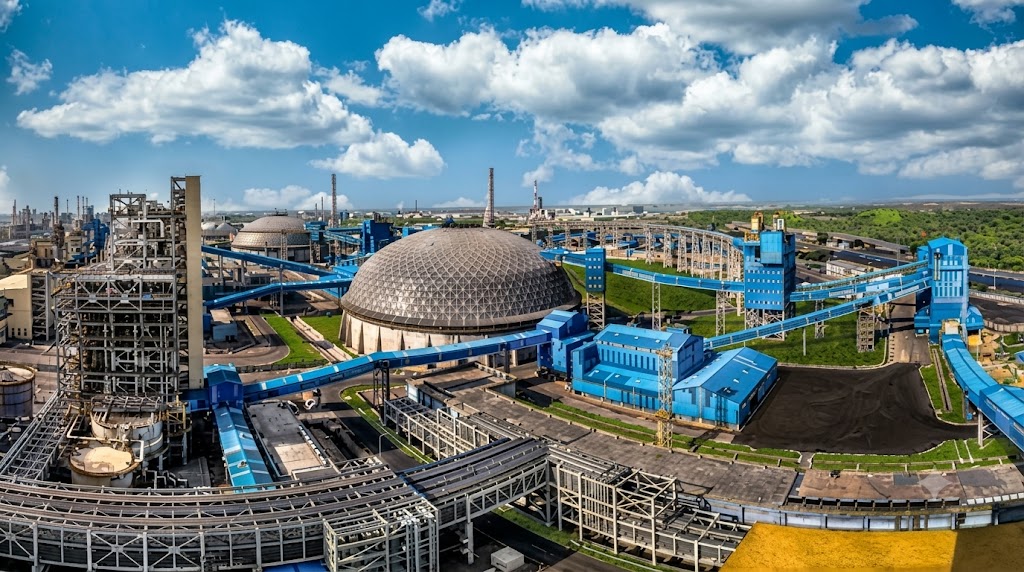
India has consolidated its status as a critical global refining hub and a key “swing supplier” of diesel to international markets. Refining Powerhouse: India’s state-run and private refiners process vast amounts of crude, making the country the second-largest exporter of seaborne diesel globally. Reliance Jamnagar Refinery: Reliance Industries’ mega-refinery complex in Jamnagar, Gujarat, is central to this supply chain. With a processing capacity of 1.4 million barrels per day, Jamnagar imports discounted Russian crude, processes it into high-grade diesel, and exports the refined fuel globally.
To the US and Europe: Reliance refines this crude into ultralow-sulfur diesel (ULSD) and exports it to deficit-hit Western markets, including the U.S. and Europe. Recognizing this, the U.S. government has prioritized maintaining stable supply flows from Jamnagar over restricting Indian purchases of Russian crude.
World Condition and Outlook
The world remains in a delicate diesel balance. Diesel powers freight logistics, agriculture, public transport, and heavy machinery; shortages directly fuel global inflation. While new refining capacity in Asia and the Middle East is slowly coming online, tight supplies and higher freight costs are expected to keep global diesel markets volatile in the near term.

Editor, Prime Post
Ravindra Seshu Amaravadi, is a senior journalist with 38 years of experience in Telugu, English news papers and electronic media. He worked in Udayam as a sub-editor and reporter. Later, he was associated with Andhra Pradesh Times, Gemini news, Deccan Chronicle, HMTV and The Hans India. Earlier, he was involved in the research work of All India Kisan Sabha on suicides of cotton farmers. In Deccan Chronicle, he exposed the problems of subabul and chilli farmers and malpractices that took place in various government departments.
Email: ravindraseshu7@gmail.com
Mobile: 9063718675