Rejuvenating the Muchukunda (Musi) River: A Lifeline for Telangana
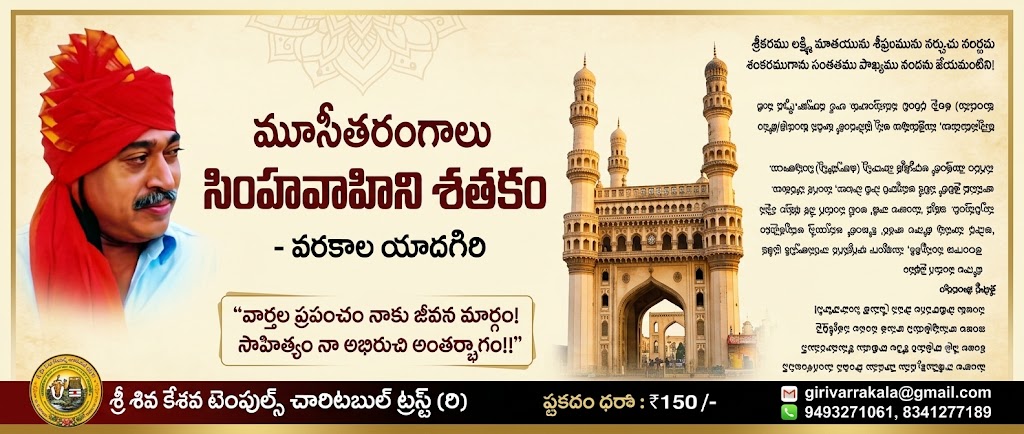
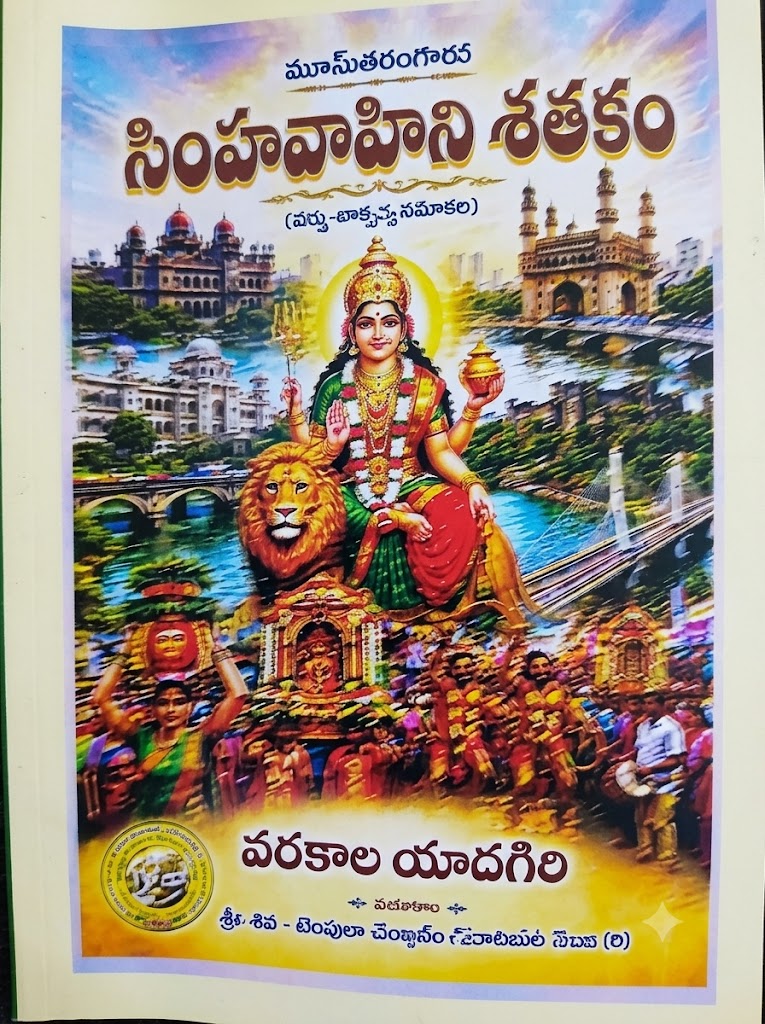
Authored by Varakala Yadagiri, the 115-verse Simhavahini Satakam has deeply captivated Hyderabad enthusiasts who hold a deep affection for the Muchukunda River (also known as the Musi) and Goddess Simhavahini, the revered deity of Lal Darwaja located just two kilometres from Charminar. In the hearts and minds of the local people, Muchukunda and Simhavahini are deeply intertwined divine symbols. Historically, the river served as a vital guardian of the community, providing essential water for agriculture and quenching the thirst of the populace. Muchukunda River once flowed abundantly with clean water. Over time, however, it degraded into a stagnant pool of waste and filth. Today, the writer Yadagiri deeply dreams and hopes that the Telangana Government’s ‘Musi Rejuvenation Project’ will successfully restore the river to its former glory.
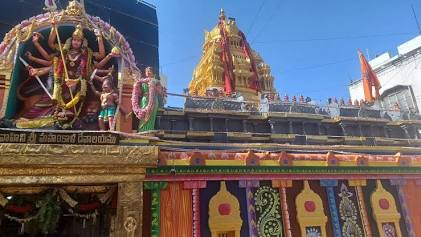
The writer describes how Goddess Simhavahini protected the people from the devastating 1908 Musi River floods. During this crisis, the Nizam ruler, Mir Mahaboob Ali Khan, performed special prayers and offered a silk sari to the Goddess. As a symbol of Telangana’s culture and traditions, the month-long pilgrimage festivities take place with grand splendour in Hyderabad city, stretching from Golconda Fort to Lal Darwaja. People from all sections of society participate in these celebrations with immense enthusiasm. On this occasion, it is a tradition for all devotees to collectively carry the Goddess’s Ghatam (festival deity/idol) in a ceremonial procession and immerse it in the waters of the Musi River on the final day.
Faith and History: The Legacy of Simhavahini Satakam
Yadagiri commenced the book with the following verse in Telugu.
శ్రీకరంబు లక్ష్మి మాతయును శీఘ్రము వచ్చియు మరి
సకరముగాను చెంతనని సౌఖ్యము నందను జేయుమంటినీ
నకరముగాను బద్మలును నీ పద సన్నిధి నిత్య పూజలన్
శిఖరము దాటి రావగను శీలము పెంచవే సింహవాహినీ!
“O Goddess Simhavahini! May Mother Lakshmi, the bestower of auspiciousness, come quickly and bless us so that we may attain ultimate happiness and well-being. With absolute sincerity, through the daily worship of your lotus feet adorned with lotus flowers, and rising far beyond all worldly limitations, O Simhavahini, you protect us!”
Telugu Padhyam:
పరిమితి దాటిపోవగ నుపాలక మండలినందు చర్చలై,
సరిగాను దిద్దినంచగని సత్యపు మాటలు మంచి చేయనే,
మరితనమాటచెప్పగనుముందుకిషన్ పరసాదు చేసినే,
వరముగపూజలన్నియును వేగముగానని సింహవాహినీ!
English Translation (Bhavam): When the Musi river floods crossed all limits and submerged Hyderabad city, intense discussions took place within the ruling council of that time. During such a critical moment, the Prime Minister of the Nizam kingdom, Maharaja Kishan Prasad, took the initiative and spoke words of truth to bring relief and reform. Taking his word forward, fast actions were taken and grand worship and rituals (poojas) were performed swiftly as a boon to save the people. O Goddess Simhavahini!
కాశిని మించియున్నదాని కోవల సత్యపు విశ్వనాథుడిన్
రాశిగా పాతబస్తీలను రత్నపు అమ్ముఘటాలన్నిటానిన్
మోసిన ఊరేగింపుగను మన్యులు చేర్చరి ఆలయాలకున్
చేసిన పూజ వేడుకలు చూడగ శోభను సింహవాహినీ!
English Translation:
“O Goddess Simhavahini! The respected people take out a grand procession carrying the Lord Satya Vishwanatha—who resides in a temple considered greater than Kashi—along with heaps of old garments and all kinds of gem-studded ornaments, reaching the temples to witness the festive celebrations of worship. Hail to you, O Simhavahini!”
The writer has given “శ్లేషార్ధ సౌందర్యం (The beauty of inner meaning) to every verse in the aesthetic beauty of pun/wordplay and special literary style.
Guardians of the City: The Four Sacred Goddesses of Hyderabad
Varakala Yadagiri’s profound love and affection shine through every verse of his book, reflecting his deep aspiration to rejuvenate the Muchukunda (Musi) River for the well-being of both the residents of Hyderabad and the farmers across Telangana. In an interview with Prime Post, Yadagiri shared, “As a journalist, I used to visit every nook and corner of Hyderabad, which allowed me to understand the true sentiments of the people here. I firmly believe that the four Goddesses—Simhavahini in Lal Darwaja, Mahankali in Lashkar, Renuka-Ellamma in Balkampet, and Jagadambika in Golconda—have always protected the people through every difficult time.”
In the concluding pages, Yadagiri prays to the Goddess to establish peace in the minds of the people.
మనంబు పాదుకొల్పి ముదము పొందె మంగళంబునన్
దెనంబు ప్రెహిలినన్ భయంబు తోడు నీడకూడగన్
దెనం వలె తలంచెడిన్ జనుల తాపముల్ తుడంచుమన్
మంజులంబుగన్ జరించువంచె సింహవాహినీ!
English and Telugu Meaning (తాత్పర్యం):
“O Goddess Simhavahini, you establish peace in our minds, bringing us joy and auspiciousness! When fear shadows us like a companion and troubles engulf us like direction, you dispel the miseries of people as they think of you, moving about gracefully and protecting us!”
Telugu Meaning (తాత్పర్యం):
మనంబులో భక్తిని నిలిపి మంగళాన్ని పొందేలా చేయమ్మా! భయాలు నీడలా వెన్నెంటాడుతున్నప్పుడు, దిక్కుతోచని స్థితిలో ఉన్నప్పుడు, నీవు భక్తుల తలంపులను అందుకుని వారి కష్టాలను, తాపాలను తుడిచివేస్తూ సుందరంగా సంచరించే తల్లివి! O సింహవాహినీ!

Editor, Prime Post
Ravindra Seshu Amaravadi, is a senior journalist with 38 years of experience in Telugu, English news papers and electronic media. He worked in Udayam as a sub-editor and reporter. Later, he was associated with Andhra Pradesh Times, Gemini news, Deccan Chronicle, HMTV and The Hans India. Earlier, he was involved in the research work of All India Kisan Sabha on suicides of cotton farmers. In Deccan Chronicle, he exposed the problems of subabul and chilli farmers and malpractices that took place in various government departments.
Email: ravindraseshu7@gmail.com
Mobile: 9063718675