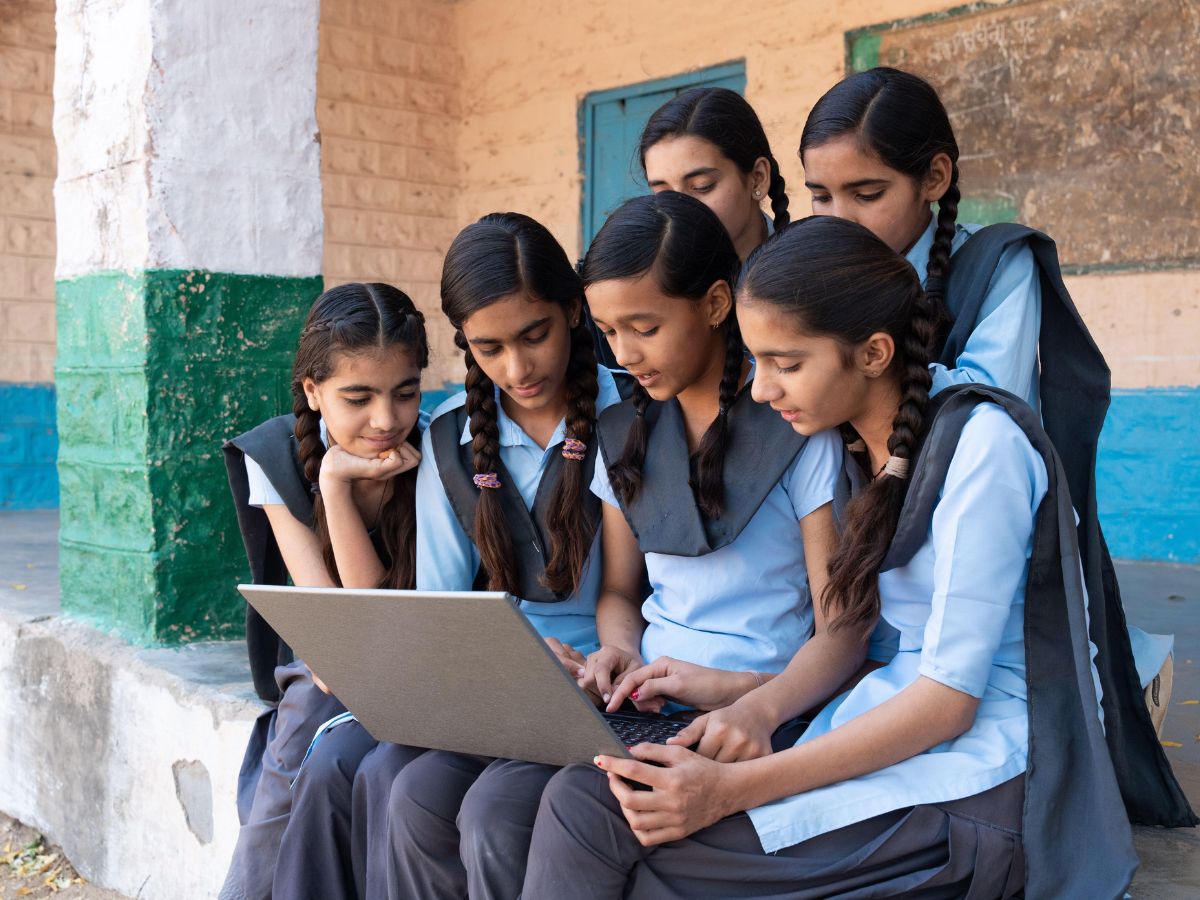
Unmaking the Common School
Rural Abandonment and the Emergence of Unequal Citizenship
The true strength of a republic is measured neither by the grandeur of its institutions nor by the magnitude of its economy, but by the quality of education imparted to its youngest citizens. Classrooms constitute the first laboratories of democracy, social mobility, and national development. When schools flourish, societies prosper; when they weaken, the decline, though gradual, is profound and enduring.
Independent India has made remarkable progress in expanding educational access. Constitutional guarantees, the Right to Education, the Mid-Day Meal Scheme, scholarships, and successive reforms have brought millions of children into classrooms. Yet beneath these impressive gains lies a structural crisis that deserves urgent national attention. The growing closure and consolidation of government schools, widening disparities between public and private education, declining learning outcomes, teacher shortages, and the excessive commercialisation of schooling collectively signal not isolated administrative deficiencies but a deeper institutional malaise.
The Erosion of Rural Learning and the Rise of Educational Inequality
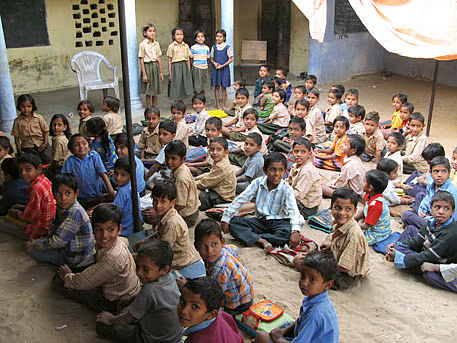
The closure of rural schools represents far more than administrative rationalisation. A village school is the intellectual heart of its community, often serving as its principal public institution. When it disappears, young children are compelled to travel longer distances, absenteeism increases, girls become particularly vulnerable to discontinuing education, and economically disadvantaged families face additional burdens. Over time, migration towards urban centres accelerates, villages lose their social vitality, and educational inequality deepens. The disappearance of a neighbourhood school is therefore not merely the loss of a building but the erosion of a community’s intellectual and civic foundation.
Equally disturbing is the emergence of a dual educational order. Well-resourced private institutions increasingly provide superior infrastructure, technological integration, specialised teaching, and global exposure, while many government schools continue to struggle with inadequate facilities, teacher vacancies, and limited academic resources. Education, which ought to reduce inherited inequalities, risks reinforcing them. Opportunity becomes increasingly dependent upon economic capacity rather than individual merit, creating parallel educational systems that produce unequal citizenship within the same democratic framework.
The Marketed Mind: Commercialisation, Rote Learning, and the Devaluation of Teaching
The growing commercialisation of education has further altered its character. Schooling is increasingly viewed as a market commodity rather than a public good. Escalating tuition fees, coaching industries, institutional branding, and competitive marketing impose significant financial burdens upon families and shift attention from intellectual development to commercial success. Education must never become a privilege determined primarily by purchasing power.
The prevailing examination-centric culture presents another formidable challenge. Excessive emphasis on marks and competitive testing rewards memorisation while discouraging analytical reasoning, creativity, scientific curiosity, and ethical reflection. In an era defined by artificial intelligence, automation, and rapid technological change, the nation requires innovators and problem-solvers rather than merely successful examination candidates.
No educational reform can succeed without restoring the dignity of the teaching profession. Teachers remain the cornerstone of every successful educational system, yet many continue to shoulder extensive non-academic responsibilities, administrative reporting, election duties, and welfare implementation alongside classroom instruction. Persistent vacancies, uneven professional development, and declining institutional autonomy inevitably diminish educational quality. A nation that undervalues its teachers cannot expect excellence from its schools.
Bridging the Divide: The Hub-and-Spoke Model for Equitable Rural Education
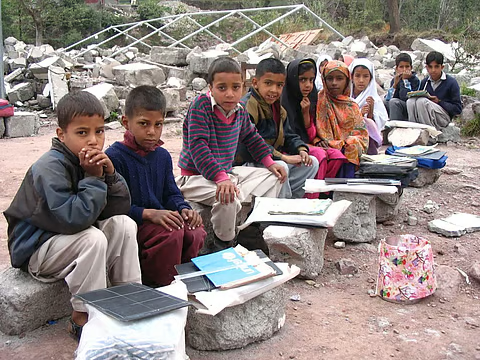
These structural deficiencies demand structural solutions. Among the most promising is the Hub-and-Spoke System of Scholastic Architecture. Instead of indiscriminately closing rural schools or attempting to maintain numerous under-resourced institutions independently, the model proposes a coordinated educational network. Strategically located Hub Schools would function as fully equipped centres of excellence, housing advanced laboratories, libraries, digital infrastructure, specialised teachers, counselling services, and vocational facilities. Smaller Spoke Schools would continue to provide early childhood and primary education within villages, preserving local access while remaining digitally and academically connected to the central Hub.
Through scheduled teacher rotations, shared laboratories, digital classrooms, counselling services, and organised student mobility, the model enables even the most remote child to benefit from high-quality educational resources without sacrificing neighbourhood schooling. Comparable approaches adopted in parts of China, the United Kingdom, and innovative Indian initiatives demonstrate that educational consolidation need not imply educational exclusion.
Education as Statecraft: Securing the Intellectual Foundations of the Republic
Such reform, however, must be accompanied by broader policy commitments. Teacher education requires comprehensive professional restructuring. Continuous assessment should gradually replace excessive dependence on high-stakes examinations. Vocational education, digital literacy, critical thinking, and interdisciplinary learning must be integrated into the curriculum. Universal digital infrastructure should become an essential educational utility. Public expenditure on education requires sustained enhancement, while private institutions should function within transparent and equitable regulatory frameworks that safeguard both quality and affordability.
The future of Indian education depends less upon the number of schools established or merged than upon the quality of learning they collectively deliver. The objective is not merely universal enrolment but universal excellence. Schools remain the first institutions through which constitutional values, scientific temper, social harmony, and democratic citizenship are cultivated.
Educational reform is therefore not simply an administrative responsibility; it is an act of national statecraft. If India aspires to emerge as a global knowledge economy, it must first secure the intellectual foundations of its school system. The destiny of the Republic will continue to be written quietly within its classrooms. Their preservation, renewal, and advancement remain among the highest obligations of an enlightened democratic State.

M. Shiva Prasad, IPS (Rtd.) is a dedicated law enforcement professional who served the combined Andhra Pradesh cadre before opting for the Telangana cadre. Though a native of Andhra Pradesh, he considers himself a true Hyderabadi with an abiding love for the Telugu people. Driven by sincerity, fearlessness, and a lifelong fight against inequality and injustice, his ultimate strengths remain his goodwill and deep affection for the public and the police force. Today, he continues his mission by writing snippets and articles true to his conscience.
Email: Shivareach@yahoo.com
Mobile: 98480 38774




Quite brilliant explanation of Education in the Nation building process.
Recent Changes in education system are cause of concern for poor n downtrodden that will ultimately affect the nation.