Establishment of the Forum for Constitutional Democracy was not accidental
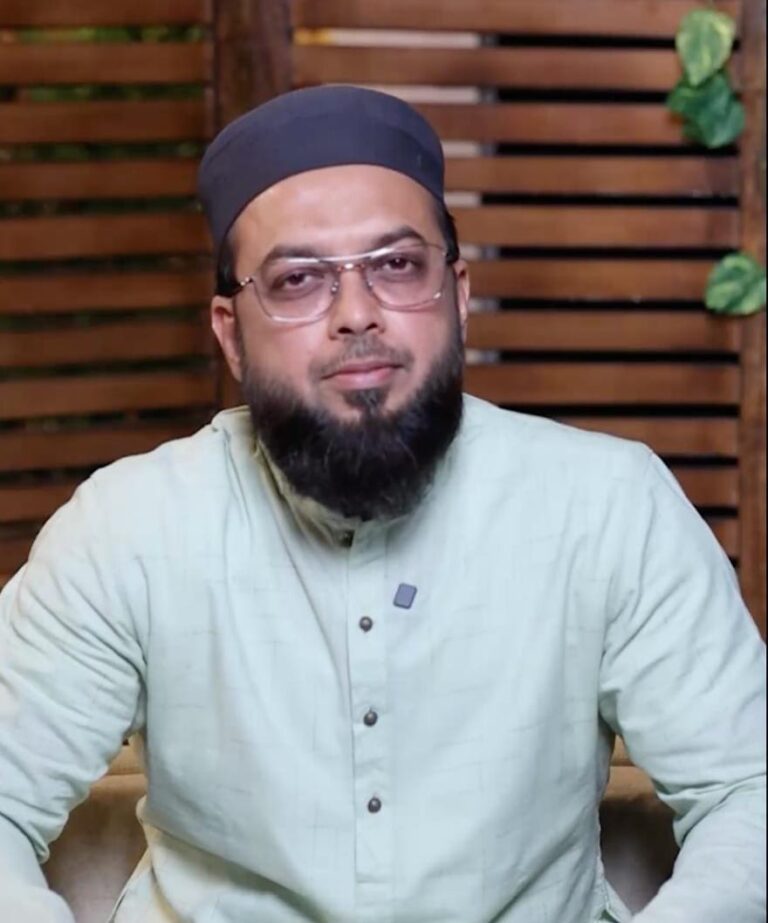
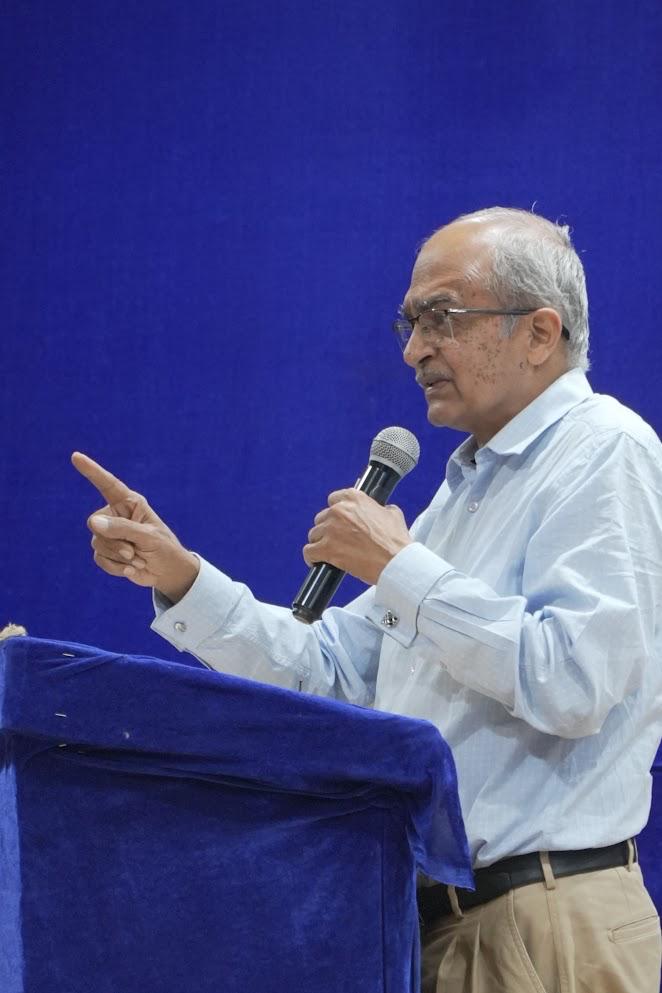
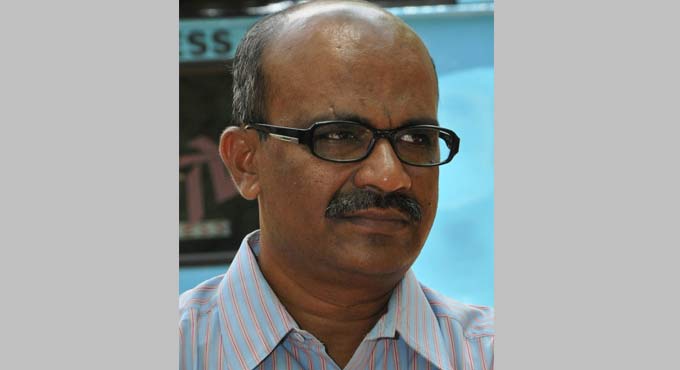
Mallepalli Laxmaiah, Journalist, Founder of Centre for Dalit Studies and special officer for the Buddhavanam Project said that over the last decade or more, many people have been reflecting on how constitutional values and democratic rights in India have been weakening, and on the need to think through solutions, resist policies running counter to constitutional processes, and unite citizens. He noted that several prominent figures—including Justice B. Sudershan Reddy, K. Ramachandra Murthy, Haragopal, Prof. M. Kodandaram, Venkat Narayana, Prof. Rama Melkote, and Press Academy Chairman K. Srinivas Reddy—came together with the idea of creating a forum that could prompt citizens and civil society groups to reflect deeply on these issues.
Crucially, Laxmaiah emphasized that FCD (Forum for Constitutional Democracy) is neither an alternative to existing organisations nor a duplication of their work. Many groups and movements are already working on specific issues—such as voting rights or opposition to the Special Intensive Revision (SIR) of electoral rolls. FCD was created to offer moral support to those working on such fronts, collaborate where needed, and stand alongside peaceful, democratic movements fighting for constitutional rights and the spirit of the Constitution.
How Electoral Roll Rules Shape Local Body Elections
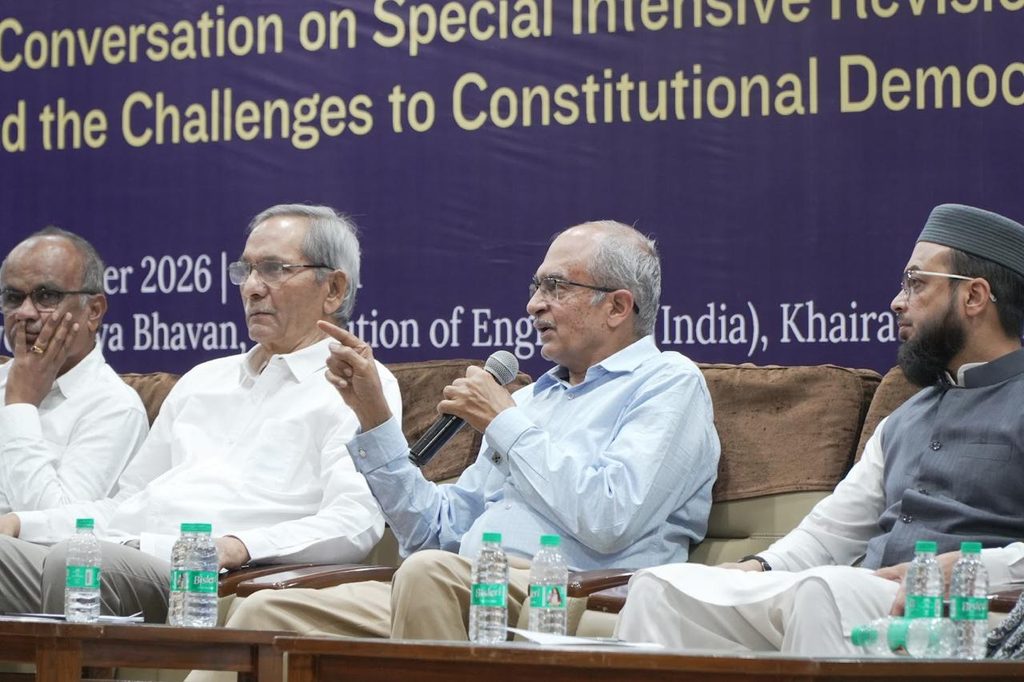
Turning to the mechanics of electoral rolls and local elections, Laxmaiah pointed out that states do not all follow a single uniform approach. Some states draft their own rules locally, while others directly adopt the Election Commission of India’s rolls. Uttar Pradesh and Rajasthan, for example, have framed their laws differently and maintain their own rolls, creating differences in how the process works.
Telangana’s statutory alignment: In Telangana, three laws govern local elections—the Gram Panchayat Act for rural bodies, the Municipalities Act for municipalities and other municipal corporations, and the three new laws replacing the GHMC Act for Hyderabad’s three municipal corporations [01:07:34]. Comparing the electoral roll preparation provisions across these three laws side by side, Laxmaiah noted they are virtually identical except for the terms municipal corporation, municipality, and gram panchayat [01:07:50]. Under existing provisions in Telangana, local body elections are tied to rules set by the Election Commission of India.
A major policy question ahead: Highlighting friction over voter list discrepancies and debates around SIR across states—including states ruled by the BJP and Congress-ruled states questioning “vote theft” and weighing how to handle SIR—Laxmaiah underlined that a major decision looms over how states will conduct their local body elections under these conditions.

With a journalistic long journey, we bring you https://primepost.news, a dynamic platform committed to unraveling the intricate tapestry of Indian politics, particularly delving deep into the heart of Telangana and Andhra Pradesh. Our blog is not just a source of news; it’s a reservoir of insights, analysis, and thought-provoking reviews.