Scarcity, Ecological Bankruptcy and the Crisis of Governance
“Water, water, everywhere,
Nor any drop to drink.”
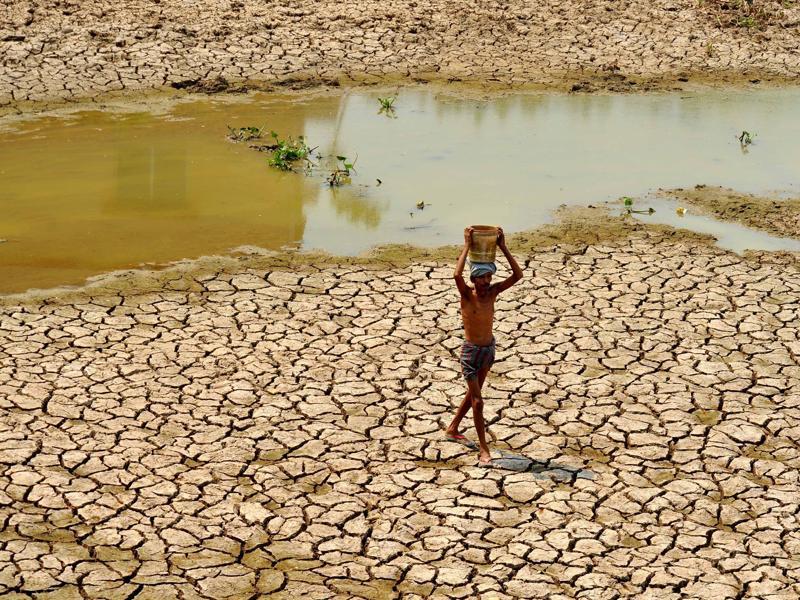
Samuel Taylor Coleridge’s immortal lines capture an increasingly disturbing paradox: humanity inhabits a water-rich planet, yet safe drinking water is becoming precarious for millions. Water does not expire like perishable food; its potability, however, deteriorates through microbial contamination, chemical pollution and unsafe storage. The real expiry date confronting civilisation is that of complacency in managing this indispensable resource.
The Science of Scarcity
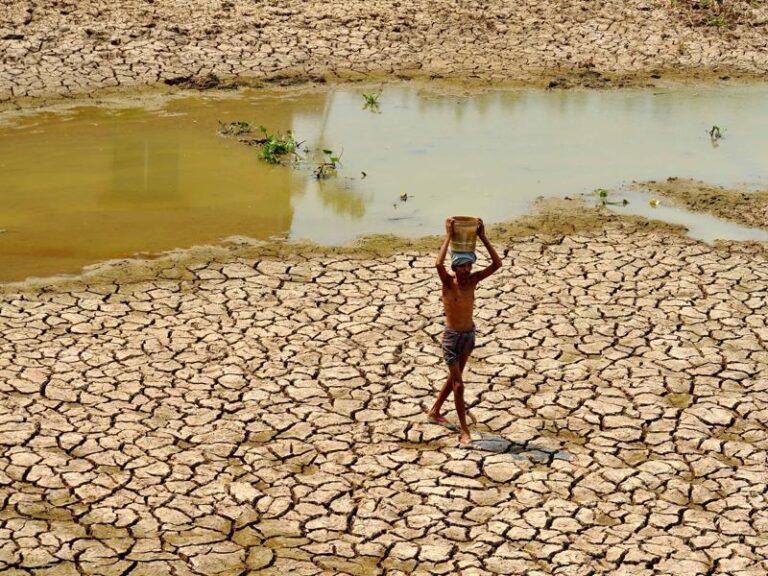
Although water covers most of the Earth’s surface, only a small proportion is readily available freshwater. Rivers, lakes and aquifers are being depleted or polluted faster than nature can replenish them in many regions. Groundwater, treated as an inexhaustible inheritance, is in reality a vulnerable reserve whose recovery depends on rainfall, geological conditions and adequate recharge. Unregulated borewells, excessive extraction, encroachment upon water bodies and destruction of natural drainage systems have transformed water stress into a structural crisis. Every aquifer drained without regard to replenishment represents ecological capital liquidated for immediate convenience.The remedy lies not merely in harvesting rainwater but in protecting the entire hydrological cycle: forests, wetlands, lakes, catchments, floodplains and permeable soil. Rainwater harvesting without groundwater regulation is incomplete; conservation without pollution control is futile.
Concrete Cities, Vulnerable States
Urbanisation has produced a paradox. Cities expand beneath the promise of development while concrete surfaces prevent rainwater from percolating into the earth. Lakes shrink, drainage channels become obstructed and floodplains are occupied, leaving cities vulnerable to both flooding and subsequent scarcity. Hyderabad’s water security depends as much on protecting its lakes and catchments as on augmenting reservoirs and pipelines. Andhra Pradesh faces a different but equally serious combination of risks. Cyclones, storm surges, flooding and saline intrusion can contaminate drinking-water sources, while irregular rainfall and agricultural demand intensify pressure on groundwater. Telangana, despite its irrigation infrastructure and reservoirs, remains vulnerable to groundwater depletion, urban expansion and competing agricultural and domestic demands. Both states must recognise that reservoirs alone cannot guarantee water security. Watershed restoration, sewage treatment, protection of lakes and tanks, scientific irrigation and transparent regulation of extraction are indispensable. Inter-state river disputes cannot become a permanent alibi for neglecting the water resources available within each state’s control.
Climate Change and Agricultural Myopia
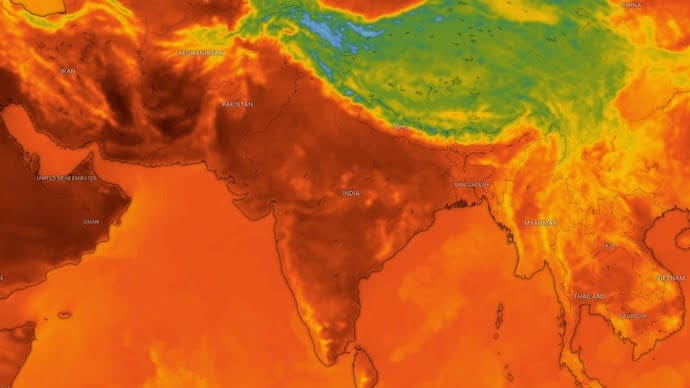
Climate change is making rainfall patterns less predictable, intensifying heat and increasing the risks of extreme weather. El Niño can influence the Indian monsoon, although its effects vary and do not invariably predict drought. Such uncertainty demands preparedness rather than political reassurance.
Agriculture accounts for approximately 70 per cent of global freshwater withdrawals. Yet water-intensive cultivation, inefficient irrigation and indiscriminate groundwater extraction continue to undermine sustainability in many regions. Farmers cannot reasonably be expected to change established practices without institutional support, suitable incentives, assured markets and access to efficient technologies. Governments must encourage crop diversification, micro-irrigation and water-sensitive agricultural planning.
The objective is not to deny farmers water, but to sustain agriculture without exhausting the very resource upon which its future depends.
Panchayat Raj and the Failure of Accountability
Water conservation cannot be entrusted exclusively to distant departments or invoked ceremonially during droughts. Panchayats and urban local bodies are essential to maintaining local water bodies, monitoring water quality, protecting common resources and enforcing conservation measures. Yet decentralisation becomes hollow when responsibilities are transferred without adequate funds, technical personnel or effective authority.
The constitutional vision of local self-government must be matched by financial support, scientific assistance and public accountability. Municipalities must regulate tanker operations, prevent exploitation of consumers and disclose the sources and quality of supplied water. Groundwater extraction, particularly by commercial users, requires credible monitoring rather than selective enforcement.Water tankers may provide emergency relief, but an unregulated tanker economy can turn a public necessity into a private monopoly. The state cannot abdicate its responsibility to ensure equitable access merely because scarcity has become profitable.
Water Justice and the Moral Test of Governance
Water scarcity is not merely an environmental crisis; it is a question of social justice. Wealthier households can purchase tanker supplies, install storage systems and drill deeper borewells, while poorer communities endure contaminated supplies, long queues and disproportionate health risks. When access to water depends primarily on purchasing power, scarcity deepens existing inequalities. India’s cultural traditions have long revered rivers and water as sacred. The Rig Veda’s hymns to water express a civilisational recognition of its life-sustaining value. Yet reverence becomes hollow when rivers receive untreated sewage, lakes are encroached upon and drinking water is contaminated through administrative negligence.
Ritual cannot substitute for responsibility; cultural inheritance must find expression in ecological conduct.
A credible water policy must integrate conservation, pollution control, equitable distribution and transparent governance. Rainwater harvesting must be enforced where appropriate; sewage must be treated and reused; lakes and wetlands must be restored; groundwater extraction must be regulated; and water-quality information must be accessible to citizens. Governments must publish measurable outcomes instead of celebrating isolated schemes.
The Expiry Date of Complacency
Water security cannot be secured through announcements made during summer shortages and forgotten when the monsoon arrives. It demands sustained investment, scientific planning, responsible consumption and institutions capable of enforcing the law without fear or favour. Nature may replenish water, but it cannot indefinitely compensate for reckless extraction, polluted rivers, vanishing lakes and irresponsible governance. Every wasted drop carries an ecological cost;
Every contaminated source imposes a public-health burden;
Every neglected watershed mortgages the future.
The measure of responsible governance is not merely the volume of water supplied today, but the security preserved for tomorrow.
Water is life; its conservation is foresight, its equitable distribution is justice, and its protection is our collective responsibility

M. Shiva Prasad, IPS (Rtd.) is a dedicated law enforcement professional who served the combined Andhra Pradesh cadre before opting for the Telangana cadre. Though a native of Andhra Pradesh, he considers himself a true Hyderabadi with an abiding love for the Telugu people. Driven by sincerity, fearlessness, and a lifelong fight against inequality and injustice, his ultimate strengths remain his goodwill and deep affection for the public and the police force. Today, he continues his mission by writing snippets and articles true to his conscience.
Email: Shivareach@yahoo.com
Mobile: 98480 38774