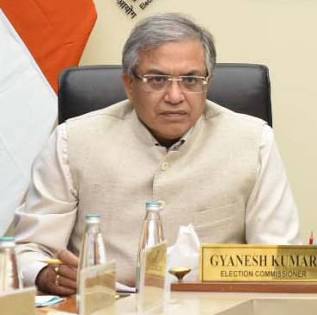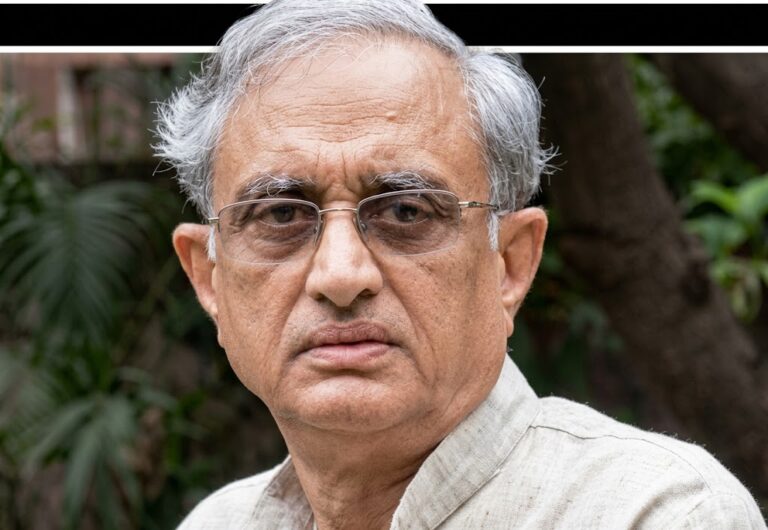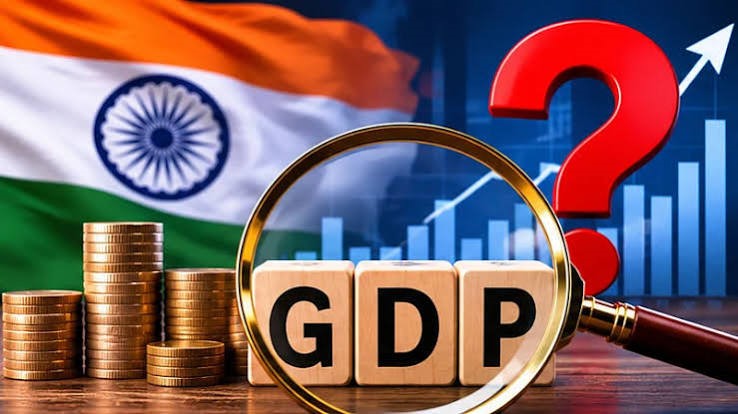
A former finance secretary Subhash Chandra Garg has disputed the figures of the Gross National Growth Rate announced and celebrated by the Modi government. He worked as secretary till recently in Modi government under Finance Minister Nirmala Sitaraman. The government said the Q1 FY 2026-27 growth rate is 7.8 per cent in real terms and 10.3 per cent in nominal terms. Garg suggested that real growth rates were actually around 2.6 per cent and below 2.5 per cent if you take the inflation into account. Moreover, the base year is changed from the 2011-12 to 2022-23.
Methodological Flaws or Deliberate Scaling?
Some economists who support the government say Garg has got his details wrong due to methodical flaw. He used the GDP announced by the government as Rs 86.5 lakh crores in Q1 FY 2025. But the government has scaled it down later to Rs. 80.5 lakh crores deliberately or for genuine reason. The GDP in the first quarter of 2026 was Rs. 88. 27 lakh crore. We are not aware of the actual figures since the government is not transparent.
The supporters of the government insist on the figure changed by the government. According to them, the growth has been from 80 lakh crore to 88. 27 lakh crore, which means a growth of Rs 8.27 lakh crore, that is 10.3 per cent. If we take the inflation into account the real growth would be 7.8 per cent. They allege that the critics of the government are comparing the apple with oranges. The growth rate is calculated based on the growth of this quarter (2026 April-June) to that of last year. Even the former governor of Reserve Bank of India Raghuram Rajan also was critical of the figure put out by the government.
Ground Realities vs. Official Statistics
The Indian government gives estimated growth, revised growth and the actual growth on three occasions. The growth rate during the first quarter of 2025 was reduced from Rs 86 lakh crore (projected growth) to Rs 80 lakh crore. We never know what will be the actual figure of growth of the Q1 FY 2026. The sure indicators of GDP growth are increase in consumption, growth in salaries, employment, rise in capital investment and increase in welfare expenditure. The consumption has been coming down because of rise in prices. The consumption by the wealthy classes has gone up and the consumption of the middle class and the lower middle class has come down. Is there any difference in the wages paid in the rural areas and the urban areas? The rural wages are decreasing and the urban wages remain static. The capital investment has not been growing. The foreign investment has been falling. People should get employment if the economy is growing. The unemployment in the country has been rising at an alarming rate. From 11 per cent in 1985, it is now more than 30 per cent. The observers of Indian economy say the country is registering K –shaped growth, which means if one line in the English alphabet K is going upwards the other line is going down. It is a symbolic way of saying that the rich are getting richer and the poor are becoming poorer.
Rajan on the Demographic Dividend and Job Crisis
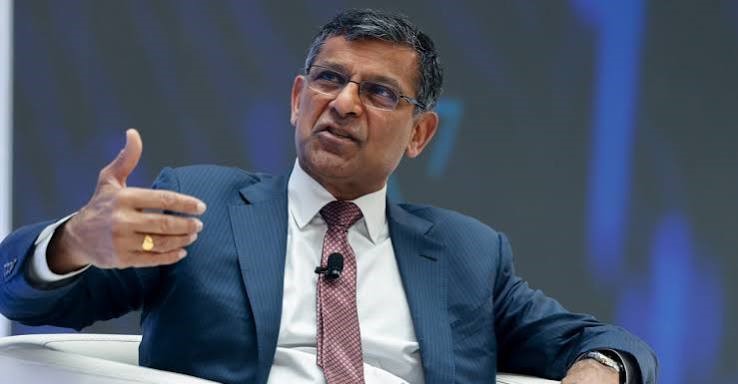
Raghuram Rajan in an interview expressed unhappiness at the job market in India. “If the economy is growing, as claimed by the government, why the people are not getting jobs, good jobs. Why foreign investment is not coming in. Playing with numbers is a game anyone can play. Are we doing what is necessary to create good jobs and to do well in all the fronts? The answer is no to the question. Because we have a fundamental problem. It is the time of population dividend. If we don’t create enough jobs for the youth who are entering the labour market then we are failing to utilize the dividend.”
The Exodus of Economic Experts
The best brains in economy who have worked for the NDA government have been leaving the posts in the last five to six years. Some persons have resigned and went abroad to work as professors. Some others did not ask for extension of their term. Surjit Patel who worked as governor of RBI, the chief economic advisor to the prime minister Aravind Subrahmanian, former RBI Deputy Governor Vitthal Acharya, former member of PM’s advisory council KV Subramanian, the former Vice Chairman of Niti Ayog Aravind Panagaria were some of the eminent economists who left the government mostly because of lack of transparency and lack luster performance.
Political Crossfire: Fudged Numbers vs. Global Resilience

Rahul Gandhi has said the Modi government has been fudging the numbers and changing the methodology to claim more growth rate than actually achieved. The BJP leaders, on the other hand, say their government has been doing well in economy in spite of wars and natural calamities in the world. Prime Minister Narendra Modi has said his team has proved the doomsayers wrong. India’s director with World Bank and prime minister’s economic advisor Neelakanth Mishra said, in debate conducted by India Today, “Those who dispute the government numbers are ill-educated. The base year is revised every five years. This was not revised for ten years. So, we have revised the base year as 2022-23. One cannot compare the old series data with the new series data. Not only the methodology is different but the whole input data is different. This goes on this way throughout the world.” Montek Singh Ahluwalia, former economic advisor who was involved in the economic reforms brought in by PV Narasimha Rao and Dr. Manmohan Singh, said the figures put out by the government should be taken with a pinch of salt as the preliminary numbers are most likely to be revised later. Surjit Bhalla, the former IMF director, said it is not true to say that the government is playing politics with the numbers.
The Crisis of Credibility and Transparency
Whichever party is there in government, the official statistics has to be believed. But the confidence in official figures strengthens by transparency. It is not something that can be demanded. It is wrong to calculate current growth by comparing the old series with the new series. But it is equally wrong to dismiss questions about a massive revision simply by invoking ‘change of base year.’ Statistics become credible when there is transparency which has been lacking with the NDA government. Earlier the government figures were never disputed. Now it is done almost every time the government releases a data. The difference is transparency and credibility.
Prominent Journalist
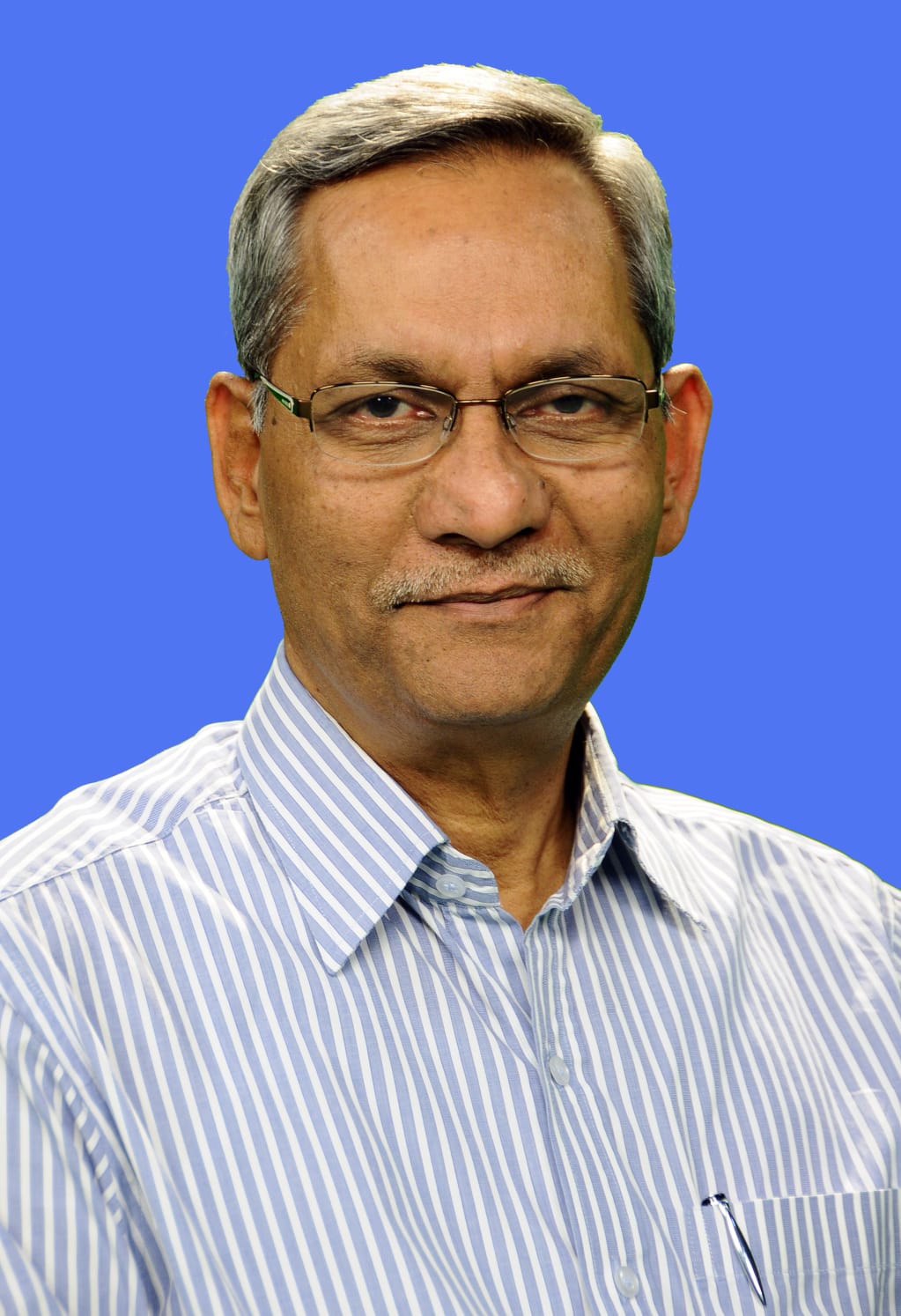
Dr. K. Ramachandra Murthy is a versatile journalist with a distinguished career. Dr. Murthy began his extensive career with Andhra Prabha of The Indian Express group in Bengaluru. He was editor of Udayam, Vaartha and Andhra Jyothy. Dr. Murthy founded and edited HMTV news channel and The Hans India, an English newspaper. He was also editorial director of the Telugu newspaper, Saakshi. He was awarded Ph. D for his research work in rural reporting. Dr. Murthy’s five decades in journalism showcases his influential roles across both print and electronic media. He wrote the political biography of NTR published by Harper Collins.
Email: murthykondubhatla@gmail.com
Mobile: 9908002211