Post-Harvest Procurement Gaps and Market Price Spikes
Government vs. Private Agency Procurement Disparities
The Asymmetric Winners: Intermediaries, Millers, and Cartels
The Escalating Burden on Farmers and Low-Income Households
The agrarian economy in Telangana and Andhra Pradesh is witnessing a distressing paradox. While paddy fields yield record outputs, both the tiller at the bottom of the production chain and the average family consuming daily meals find themselves economically squeezed.
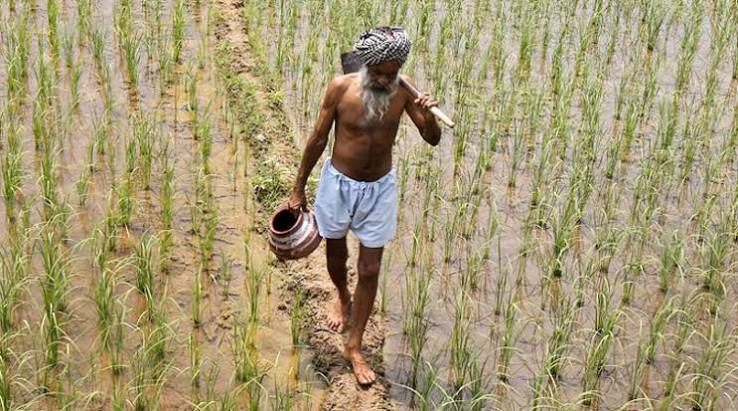
The Post-Procurement Price Surge –During the peak harvest season, government agencies delayed procurement centers (PPCs), leaving small and marginal farmers stranded with wet, exposed produce. Desperate to cover debt obligations, farmers sold their 76-kilogram paddy bags to private millers and traders at distressed rates—often between Rs 1,800 and Rs 2,000, well below the Minimum Support Price (MSP) or fair value. However, once millers cleared the stocks from farm gates, market dynamics inverted dramatically. Driven by deliberate market hoarding, artificially created artificial scarcity, export demands, and millers cartelizing to control fine varieties (like Sona Masuri, BPT, and HMT), paddy bag prices rapidly soared to Rs 2,850 – Rs 3,000.
Procurement Numbers: Public vs. Private Dynamics
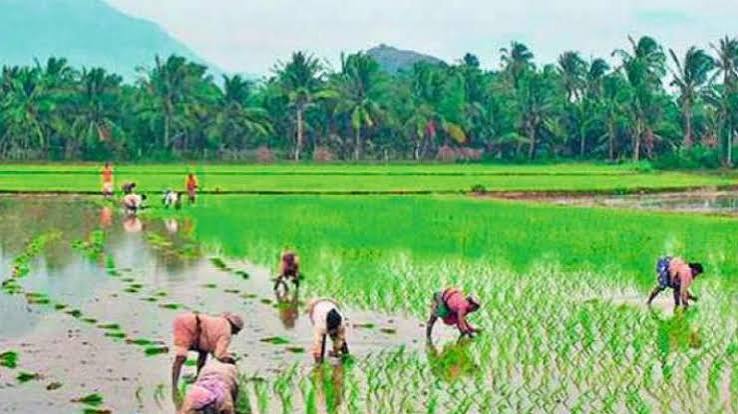
Across both states, tens of millions of tonnes of paddy move through procurement channels annually. Out of an estimated total seasonal market arrival of over 18 to 20 million tonnes of paddy combined across Telangana and Andhra Pradesh:
Government Procurement: State civil supplies corporations managed to procure roughly 60% to 65% of the targeted produce, plagued by slow weighment, moisture content disputes, and delayed payment tokens.
Private Millers & Intermediaries: Private aggregators absorbed 35% to 40% of the yield directly from farmers at undercut prices, taking advantage of the government’s sluggish intervention.Who Benefited from the Spike? Neither the producer nor the ultimate consumer gained a single rupee from this price rally.
The Primary Beneficiaries: Large rice millers, private stockists, and wholesale cartels who bought low during distress sales and released stocks slowly to push retail prices up.The Losers: Farmers who sold cheap, and consumers who buy expensive.The Household Burden
Crunching the Numbers –Rice is a daily non-negotiable staple across Telugu households. Retail rice prices jumped by Rs10 to Rs18 per kg (with fine varieties rising from ~Rs 48–Rs 52/kg to Rs 64–Rs 75/kg). For a standard family of four consuming an average of 30 kg of rice per month:

For a standard family of four consuming an average of 30 kilograms of rice per month, the financial impact of the price surge is substantial. Before the market hike, fine-variety rice cost around Rs 50 per kilogram, resulting in a monthly household expenditure of Rs1,500 and an annual spending of Rs18,000 strictly on staple grain. Following the surge, prices rose by Rs18 to reach Rs 68 per kilogram. This shift increases the monthly rice bill to Rs 2,040—an extra Rs 540 per month—translating to a total annual financial strain of Rs 24,480, or a net increase of Rs 6,480 per year.
For poor and lower-middle-class families without full white-card coverage, an additional recurring monthly burden of R 500 to Rs750 strictly on staple grain severely cuts into budgets for healthcare, education, and vegetables.
The Double Plight of Farmers and Consumers
The Farmer’s Trajectory: Farmers faced rising cultivation expenses—diesel, fertilizers, labor, and machine rentals. Selling paddy below parity forced many deeper into private micro-debt. Delayed government lifting resulted in field exposure losses from unseasonal rains.
The Consumer’s Line: Urban and rural working-class consumers face food inflation where real wages remain stagnant. This crisis underscores a systemic failure in agri-supply chain regulation. Delayed government procurement acts as an implicit subsidy to private intermediaries, transferring wealth directly from vulnerable farmers and middle-class households into the hands of market speculators.

Editor, Prime Post
Ravindra Seshu Amaravadi, is a senior journalist with 38 years of experience in Telugu, English news papers and electronic media. He worked in Udayam as a sub-editor and reporter. Later, he was associated with Andhra Pradesh Times, Gemini news, Deccan Chronicle, HMTV and The Hans India. Earlier, he was involved in the research work of All India Kisan Sabha on suicides of cotton farmers. In Deccan Chronicle, he exposed the problems of subabul and chilli farmers and malpractices that took place in various government departments.
Email: ravindraseshu7@gmail.com
Mobile: 9063718675