Satluj Breaks Through: How Grassroots Distribution Beat the Ban
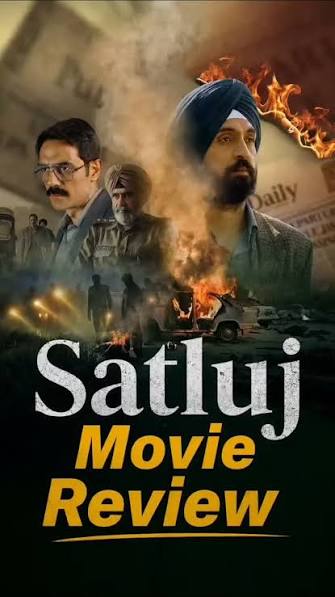
Satluj, the controversial film has been flowing across the geographical boundaries, like the river bearing the same name, and impressing all kinds of people. The film was taken down from the ZEE5 streaming OTT platform within a couple days of its release. But the Punjabis have made it their favorite movie seen in villages and towns in the state through local enterprise. The film found its second life through community-led screenings across Punjab and Kashmir. It is said when a story carries enough truth and emotional element, no force on earth can prevent it from reaching the people.
Inside Satluj: Censorship, Truth, and Tragedy
Also named as ‘Punjab ’95’, Satluj is an Indian biographical drama directed by Honey Trehan. The real hero is Jaswant Singh Khalra, a human rights activist, who investigate extrajudicial killings and forced disappearances by police in 1990s Punjab. Jaswant’s role was played by Diljit Dosanjh. Years of censorship battles prevented the release of the film. The uncut film was briefly released on the ZEE5 streaming platform before being pulled out by the government due to security concerns. The film is based on the life of Jaswant Singh Khalra and the judicial proceedings that followed his abduction and murder. The film was jointly produced by Ronnie Screwvala, Abhishek Chaubey and Tehran through RSVP Movies and MacGuffin Pictures. The script was written by Trehan with Niren Bhatt and Utsav Maitra.
The Turbulent Timeline of Satluj
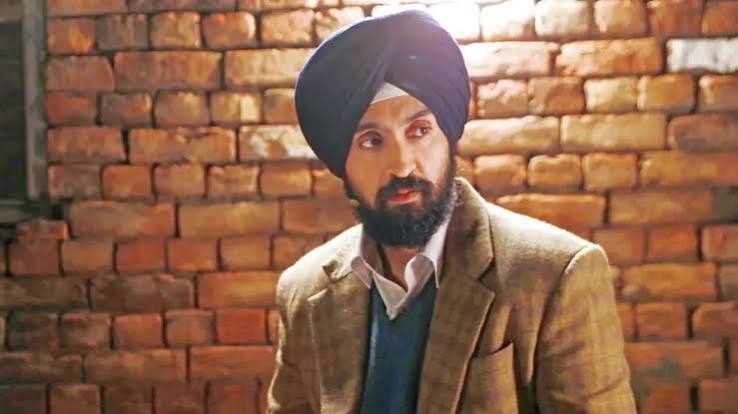
Originally the film was named as Ghallughara and the producers planned to release it in 2023. The Central Board of Film Certification had suggested so many acute cuts (whopping 127cuts) that the producers got vexed and decided not to release the film in the theatres at all. After a delay of three years the film was released in the digital version through ZEE5 on 03 July 2026. After just two days of its release the Central Government had taken down from ZEE5 for Indian viewers and later for international viewers as well.
Investigating the Disappearance of Jaswant Singh Khalra
A bank employee, Jaswant Singh Khalra, was leading an ordinary life in Tarn Taran. It all began with the disappearance of his own friend Kripal Singh who was later killed and illegally cremated by the police at the height of insurgency. Later Kripal’s mother Bibi Gurpej Kaur also disappeared. Jaswant started investigating the issue of unclaimed bodies. In all, 25,000 people were killed and illegally cremated. In order to uncover atrocities of the police who were carrying on crime against humanity in the name of putting down the insurgency, he had put everything on line including his job and safety. A police officer helped Jaswant in his investigations. Jaswant’s wife Paramjit boldly supported her husband in his work despite the threatening calls from the police. After the disappearance of Jaswant Singh Khalra, there was public uproar whipped by his wife Paramjit. Then the Central Bureau of Investigation employed its Additional Director, Samudra Singh, to investigate the disappearance of Jaswant. This officer narrates the whole story in the film.
From Peacekeeping to Police War: The Villains of Satluj
What began as an effort to clean up the militancy ends up as a police war against the citizens of the state. The police officers Bitta (Kanwaljeet Singh) and Sugga (Suvinder Vicky) become the faces of everything to despise. Sugga emerges as the symbol of state impunity, having turned murder into a mundane activity in the name of national security. Every actor has done his bit very well.
A Lone Candle in the Wind
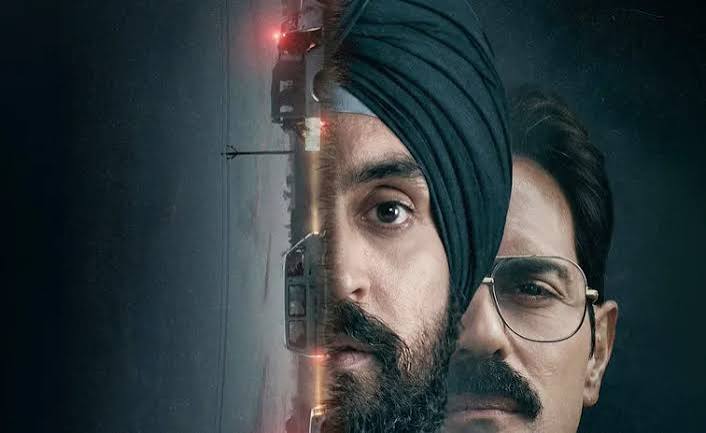
This vibrant film comes at a time when human rights are viewed skeptically and activism is routinely branded a threat to national security and activists as anti-nationals. Satluj arrives as a fearless, contemporary warning. It is the story of a lone candle that refused to be blown out by the winds of systematic tyranny in a democracy. After Gulzar’s Maachis, Trehan’s Satluj fights not for a political ideology but for basic human rights. Sugga and Bitta show that the system had normalized mass murder into a standard administrative operation to secure promotions and institutional favour. This happens in states where the Maoist insurgency was acute. The people of undivided Andhra Pradesh were quite aware that the real meaning of encounters is killing and how the police killed innocent people in the name of curbing extremism. The film serves as a timeless warning about how the biggest democracies use the ruse of national security to vilify vigil blowers and cover up systemic atrocities.
The Politics Behind the Crackdown
It was when PV Narasimha Rao was the prime minister, the Punjab insurgency was tackled with the help of Director General of Police (DGP) KPS Gill. The top cop, who was given a free hand, used to dismiss human rights pleas as attention-seeking gimmicks encouraged by foreign powers. People in general knew that Gill was suppressing the insurgency with an iron hand. But they were not aware of these many deaths. Bitta’s character in the film is based on super cop KPS Gill, a deeply polarizing figure. He was trusted by the then prime minister.
Industry Acclaim: RGV’s High Praise for Satluj and Honey Trehan
Director Trehan frames the critique of the system not as an anti-state diatribe, but as a defence of the law. Jaswant proves from the bureaucratic files that the police did not distinguish between actual militants and ordinary, law abiding, innocent civilians for the sake of promotions and corruption. Like Gulzar, Trehan shows that the citizens are like matchsticks that ignite when pushed too far by the systemic cruelty, as he recreates the assassination of Chief Minister of Punjab Beant Singh as the tipping point.
Film maker Honey Trehan received strong backing from director Ram Gopal Varma. Tanking Varma, Trehan said, “This is truly an honour and very encouraging for filmmakers like us. I’m glad to know the film resonated with you. I could not have achieved this, especially without the tremendous support from my producers.” Varma then responded, “Hey, not you. All of us in the audience need to thank you for making such a powerful and eye-opening film.”
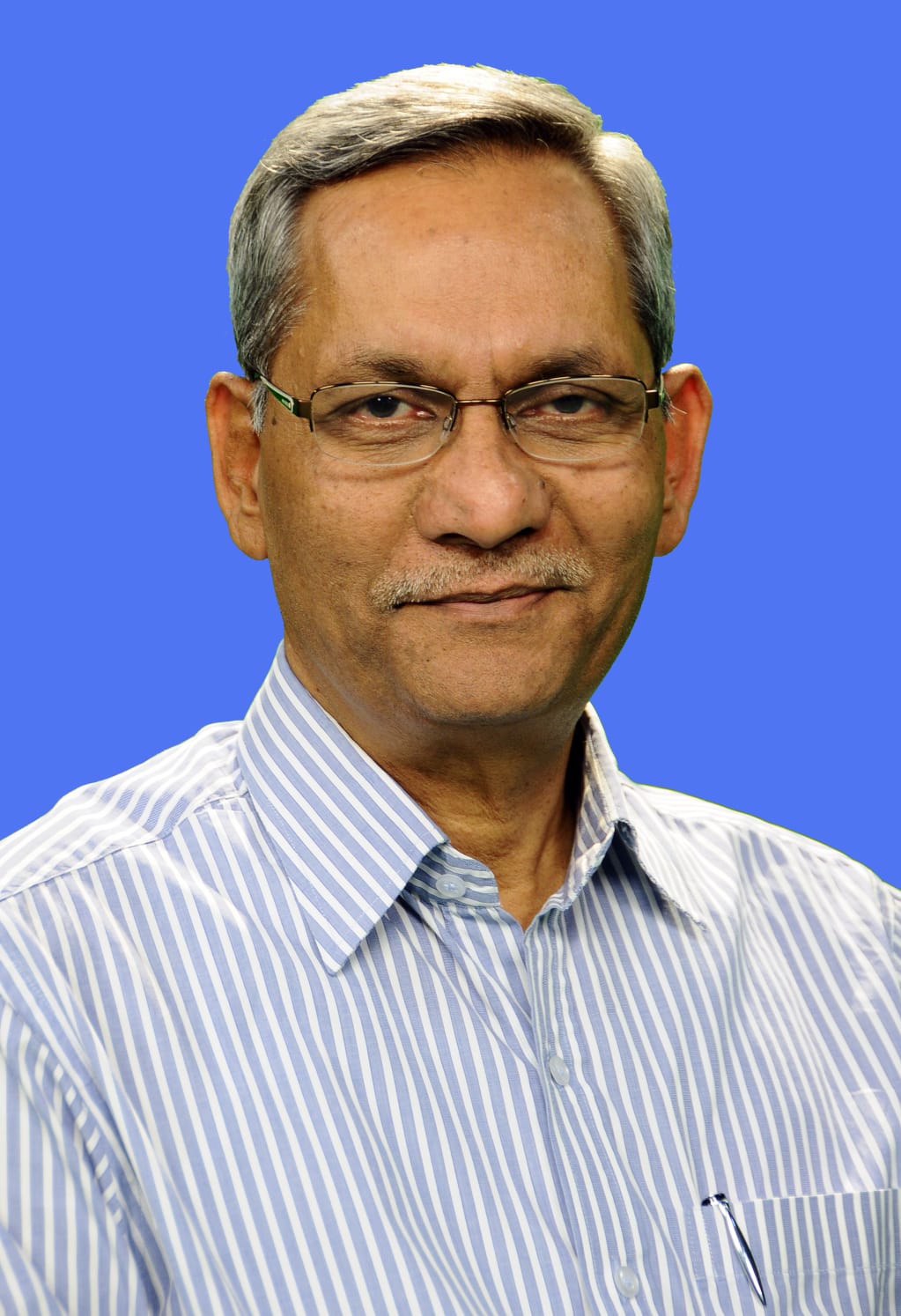
Prominent Journalist
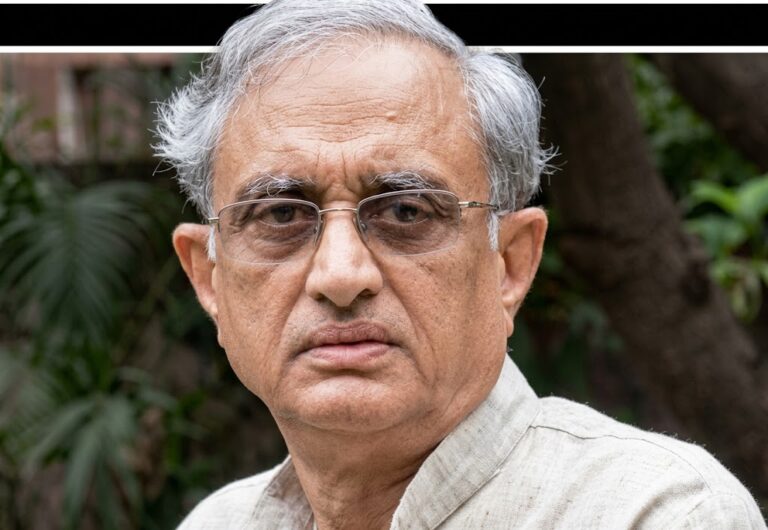
Dr. K. Ramachandra Murthy is a versatile journalist with a distinguished career. Dr. Murthy began his extensive career with Andhra Prabha of The Indian Express group in Bengaluru. He was editor of Udayam, Vaartha and Andhra Jyothy. Dr. Murthy founded and edited HMTV news channel and The Hans India, an English newspaper. He was also editorial director of the Telugu newspaper, Saakshi. He was awarded Ph. D for his research work in rural reporting. Dr. Murthy’s five decades in journalism showcases his influential roles across both print and electronic media. He wrote the political biography of NTR published by Harper Collins.
Email: murthykondubhatla@gmail.com
Mobile: 9908002211